
 EN



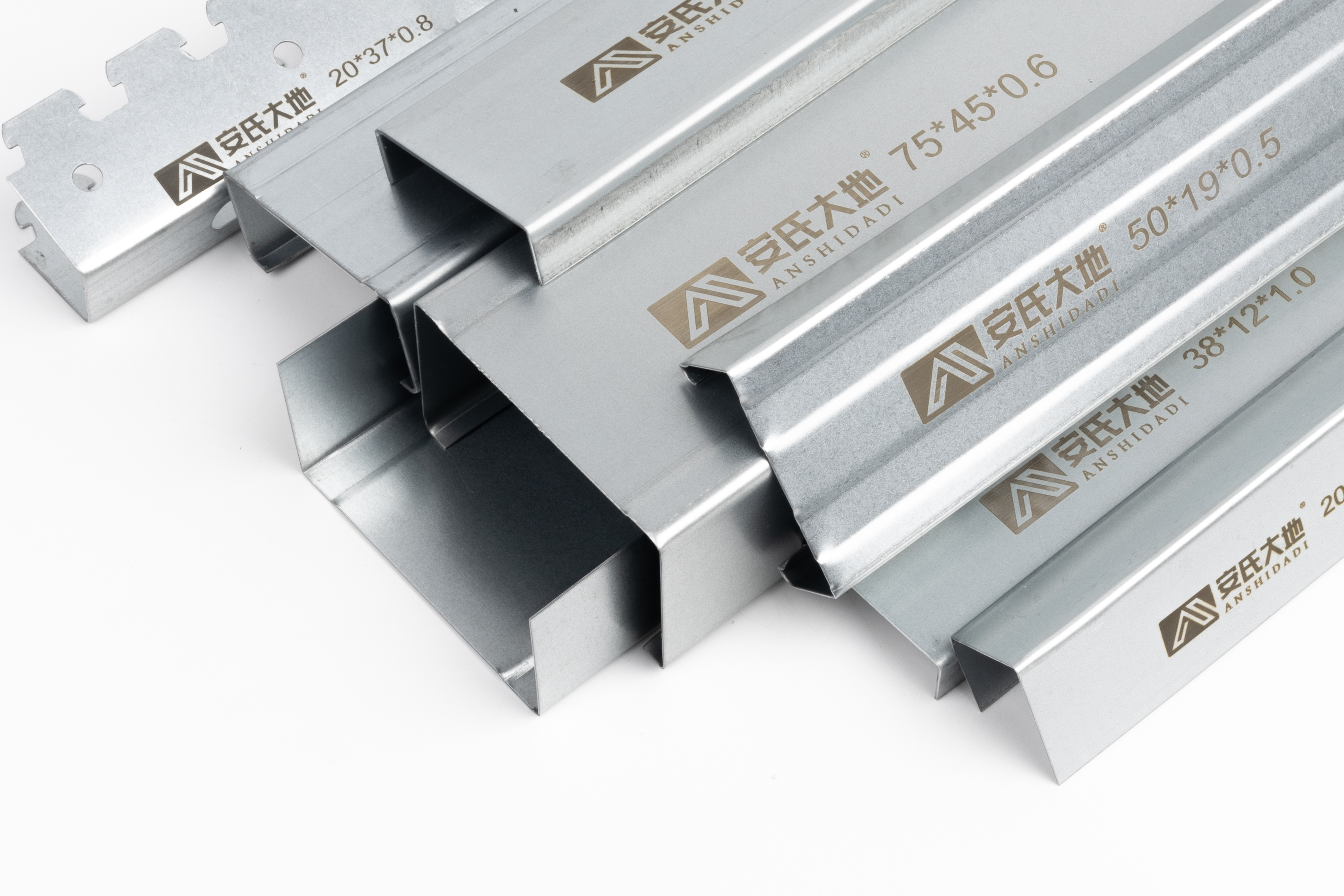
When reviewing architectural specifications, engineering drawings, or supplier catalogs for commercial drywall partitions, terms like "metal track" and "steel track" are frequently used interchangeably by project teams. However, for builders, procurement managers, and quality control engineers, understanding the subtle technical distinctions between these two framing components is vital for ensuring building code compliance and structural longevity. The demand for certified steel track solutions continues to rise as commercial developments require stringent load ratings, fire performance, and seismic resilience. Examining the core differences between generic metal tracks and engineered steel tracks prevents costly project delays and structural vulnerabilities.
Partition wall frameworks rely on horizontal top and bottom runners—collectively known as tracks—into which vertical C-studs are nested and secured. While every steel track falls under the broad category of metal framing, not all metal tracks meet the rigorous metallurgical and structural standards required to be classified as certified cold-formed steel tracks. Whether you are sourcing materials for a high-rise office fit-out or a multi-family residential project, recognizing these material nuances ensures superior framing performance.
Defining Metal Track and Steel Track: Material Metallurgy
Broad Classification vs. Certified Cold-Formed Steel
The term "metal track" is an umbrella description that can encompass a wide variety of materials, alloys, and profiles—including aluminum extrusions, light-gauge decorative trims, uncertified imported metal alloys, or generic light-duty channels. Conversely, a true "steel track" specifically denotes a structural or non-structural framing component roll-formed from high-grade carbon steel conforming to strict international standards such as ASTM C645, ASTM C955, or EN 14195. Certified steel tracks undergo rigorous mill processing to guarantee predictable yield strength, ductility, and tensile performance under load.
Galvanization and Corrosion Protection Standards
A critical differentiator between generic metal tracks and high-grade steel tracks lies in surface protection. Quality structural steel tracks are hot-dipped galvanized with a standardized layer of zinc (typically G40, G60, or G90 coatings) that creates a metallurgical bond preventing rust and oxidation inside enclosed wall cavities. Lower-grade or uncertified metal tracks may feature thin, brushed, or poorly bonded protective layers that degrade rapidly when exposed to ambient moisture during construction, leading to unsightly rust bleeding through finished drywall.
Structural Performance, Load Tables, and Code Compliance
Load-Bearing Capacity and Span Engineering
In partition wall systems, the bottom floor runner and top deflection track must resist lateral wind pressures, seismic shear forces, and impact loads from occupant traffic. Certified steel tracks are backed by certified engineering span tables, minimum base steel thicknesses (excluding coatings), and verified yield strengths—commonly 33 ksi (230 MPa) for non-structural applications or 50 ksi (340 MPa) for heavy-duty structural framing. Generic metal tracks often lack official engineering data, making it impossible for structural inspectors to verify whether the wall assembly can withstand design wind loads or door-slam impacts.
Sourcing reliable framing profiles from an established manufacturer specializing in certified steel track and stud systems ensures complete compliance with local building codes, fire safety ratings, and insurance underwriting requirements.
Flange Depth, Screw Engagement, and Tolerance Control
Precision manufacturing separates high-performance steel tracks from generic alternatives. Certified steel tracks feature uniform web widths, consistent flange heights, and precise knockout alignments that allow vertical studs to snap in smoothly with a secure friction fit. Their rigid flanges prevent twisting when drywall screws are driven near the track edges. In contrast, uncertified metal tracks often suffer from spring-back, warped flanges, and inconsistent gauge thickness, resulting in loose stud connections and uneven wall surfaces.
FAQ
Are metal tracks and steel tracks priced significantly differently?
While uncertified or light-duty metal tracks may offer a lower initial purchase price, the hidden costs—such as failed structural inspections, excessive installation labor due to warped profiles, and potential long-term corrosion failures—far outweigh any upfront savings. Certified steel tracks provide predictable quality and complete liability protection.
How can I verify if a track delivered to my job site is certified steel?
Check for embossed stenciling or ink markings along the web of the track, which typically display the manufacturer's name, base steel thickness (mil gauge), minimum yield strength, coating designation (e.g., G60), and applicable ASTM or EN compliance standards. Reputable suppliers also provide mill certificates upon request.
Can generic metal tracks be used for fire-rated partition walls?
No, UL-listed and fire-rated partition assemblies strictly require certified cold-formed steel framing components manufactured to specific gauge and material standards. Using uncertified metal tracks will void fire ratings and fail commercial building inspections.