
 EN


Commercial architects and interior contractors face constant challenges when transforming uneven structural slabs and complex mechanical plenums into sleek, monolithic ceilings. Furring channel—widely recognized in the industry by its signature hat-shaped cross-section—has become an indispensable component in modern suspended ceiling systems. The demand for precision-rolled furring channels continues to grow as builders seek reliable framing profiles that guarantee surface flatness, superior screw retention, and enhanced acoustic isolation. Understanding what makes furring channel important for suspended ceiling systems enables contractors and building material buyers to deliver code-compliant, high-performance interiors.
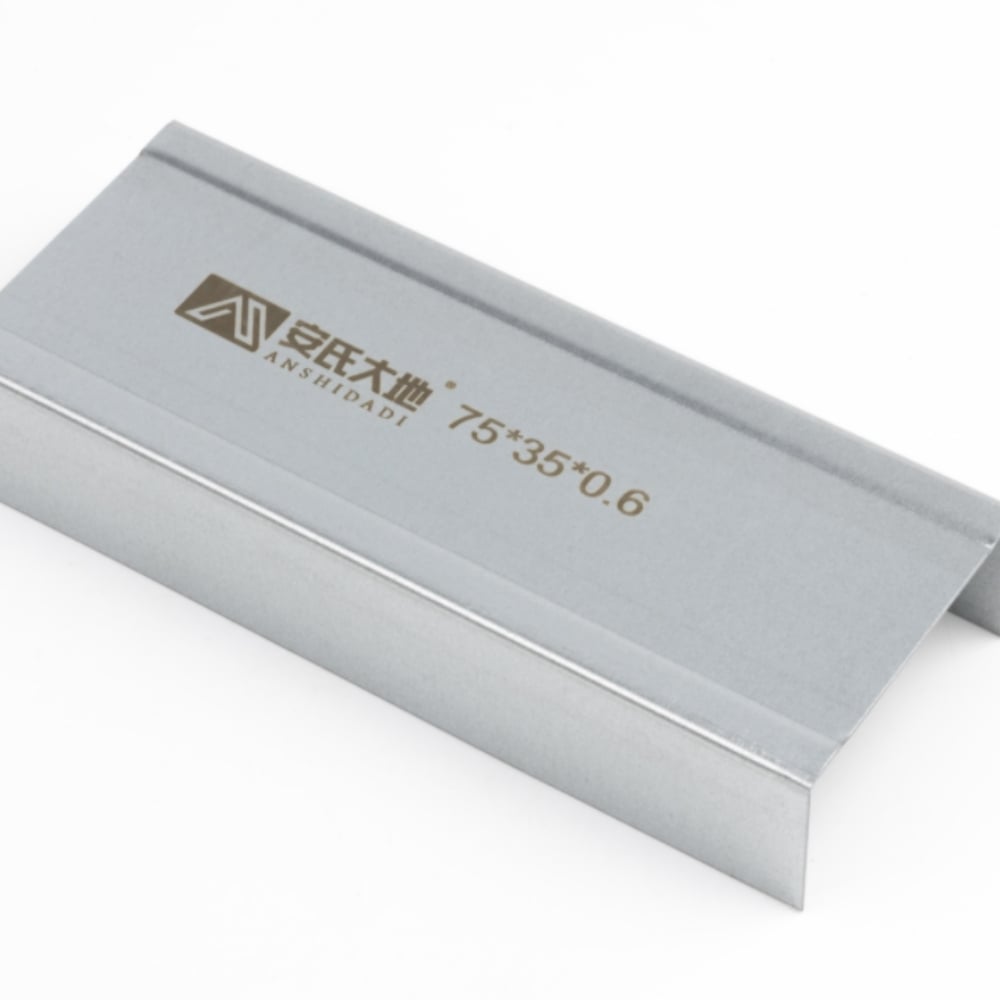
Modern suspended ceiling assemblies have evolved far beyond basic timber strapping, with cold-formed galvanized steel furring channels providing unmatched dimensional consistency and fire resistance. Whether you are installing a concealed grid beneath a poured concrete deck in a commercial high-rise or retrofitting an acoustic ceiling in a healthcare facility, integrating properly engineered furring channels is fundamental to structural stability and long-term visual quality.
Core Structural Roles of Furring Channel in Ceiling Grids
Creating a Uniform, Level Fastening Plane
Structural concrete soffits, steel bar joists, and timber floor trusses rarely offer a perfectly flat surface for direct drywall attachment. Furring channels bridge these structural irregularities by establishing a continuous, dead-flat horizontal plane across the entire room. When clipped perpendicular to primary carrying channels or fastened directly to overhead joists via resilient clips, furring channels eliminate waves, dips, and fastener telegraphing, ensuring gypsum boards meet seamlessly at every tapered joint.
Superior Screw Retention and Load Support
Engineered with a wide, knurled bottom face and flared mounting flanges, furring channels are specifically designed to grip self-drilling drywall screws tightly without stripping. This high pull-out resistance is critical when supporting heavy multi-layer fire-rated gypsum boards, dense mineral wool insulation, or integrated linear lighting fixtures. Because cold-formed steel maintains uniform thickness along its entire length, installers experience consistent screw penetration and zero splitting compared to traditional wood furring strips.
Acoustic, Fire, and Plenum Performance Benefits
Sound Decoupling and Acoustic Control
Noise transmission between floors is a major concern in multi-family residential complexes, hotels, offices, and schools. Furring channels create an isolated air cavity between the structural floor slab above and the gypsum board ceiling below. When paired with resilient sound isolation clips and acoustic batt insulation, furring channels interrupt both airborne sound waves and structural impact vibrations, dramatically increasing Sound Transmission Class (STC) and Impact Insulation Class (IIC) ratings.
Concealing MEP Systems and Enhancing Fire Ratings
Suspended ceiling grids built with furring channels form an accessible interstitial plenum space capable of housing HVAC ductwork, electrical conduits, fire sprinkler piping, and data cabling out of sight. Furthermore, because galvanized steel furring channels are completely non-combustible, they serve as vital structural components in UL-listed fire-resistance-rated floor-ceiling assemblies, helping contain fire spread and protect structural steel or concrete decks