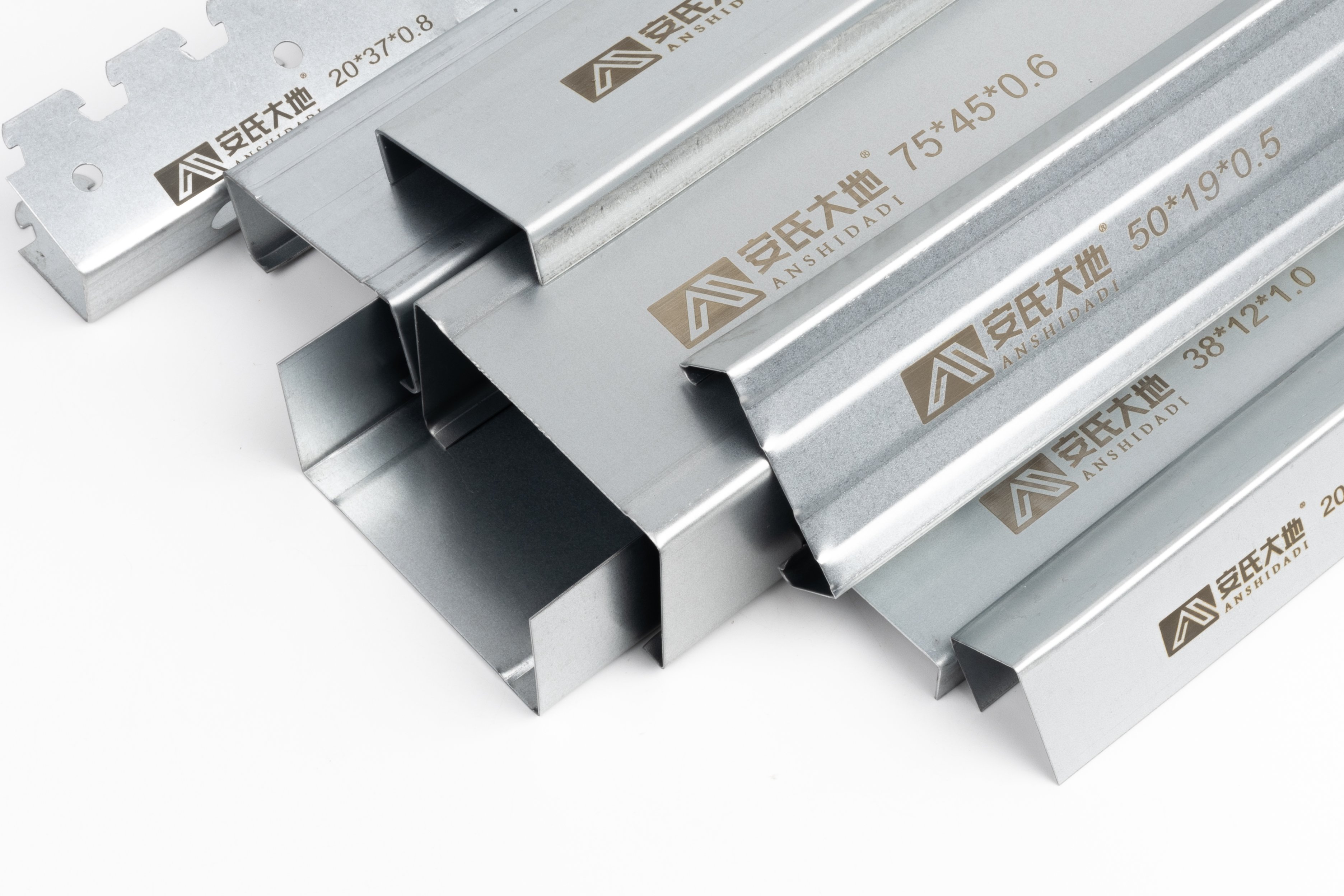
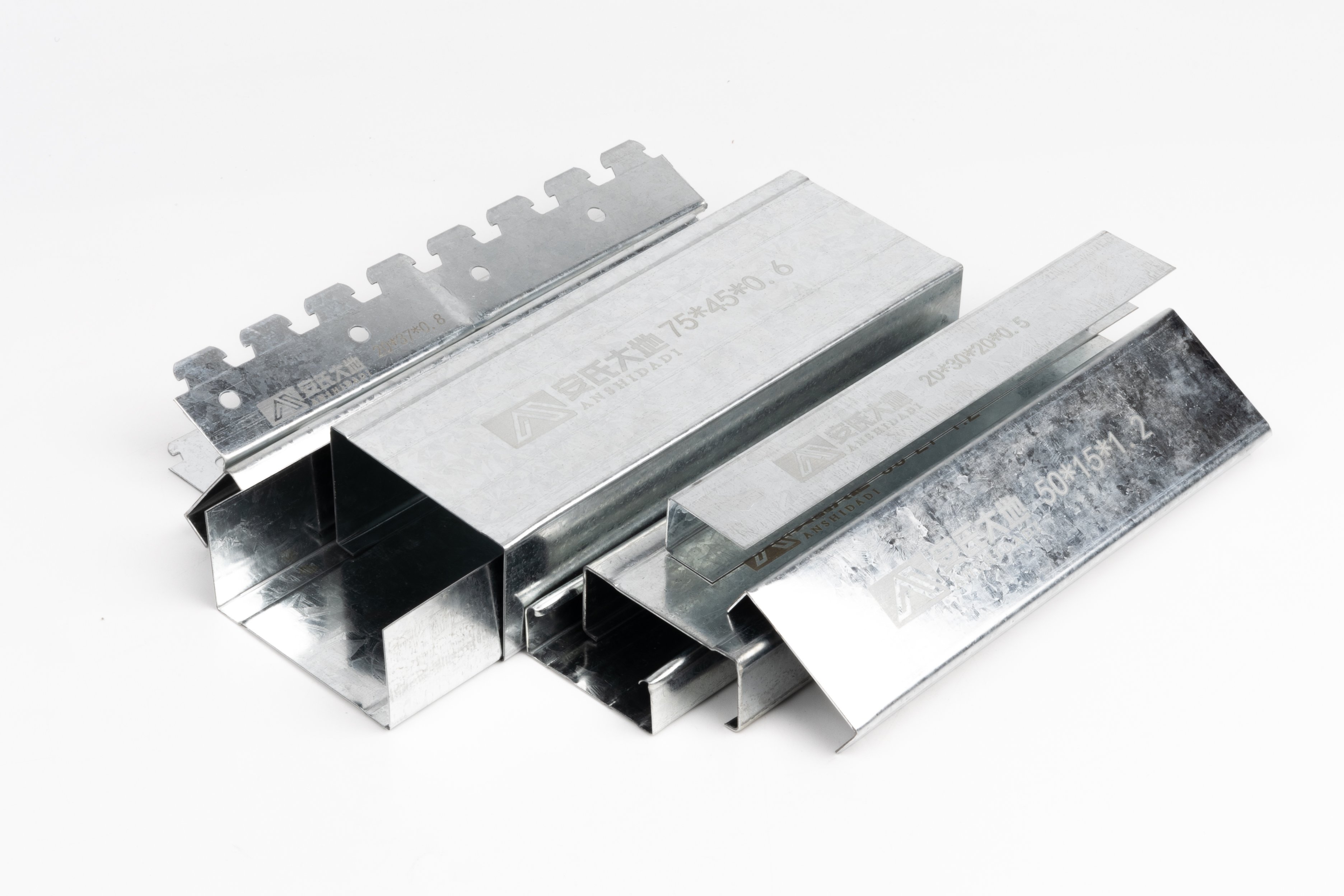
interior partition wall
An interior partition wall is a non-load-bearing wall structure designed to divide interior spaces within buildings without supporting the roof or upper floors. Interior partition walls serve essential functions in modern architecture and construction, enabling flexible space management and creating distinct areas within open environments. These walls are fundamental components in both residential and commercial buildings, allowing owners to customize layouts according to their specific needs.
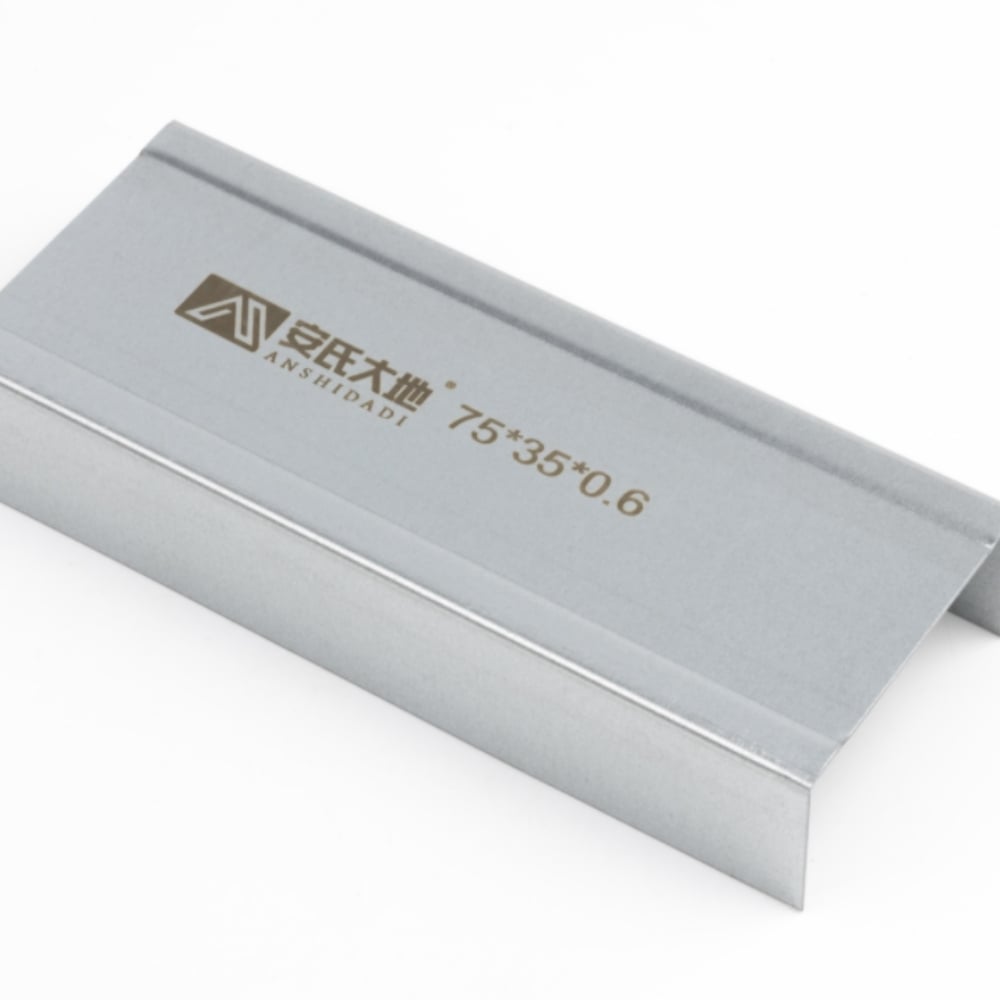
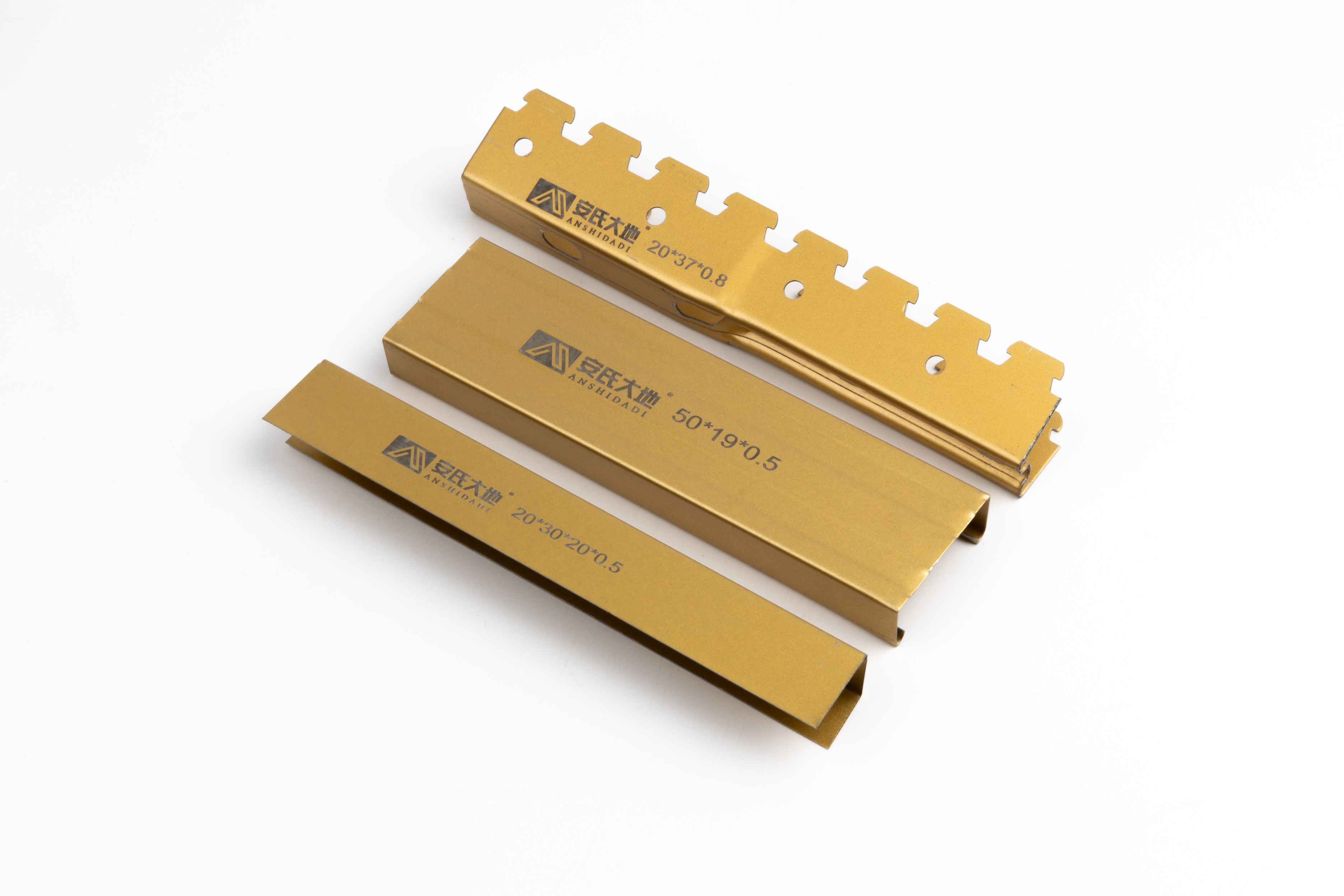
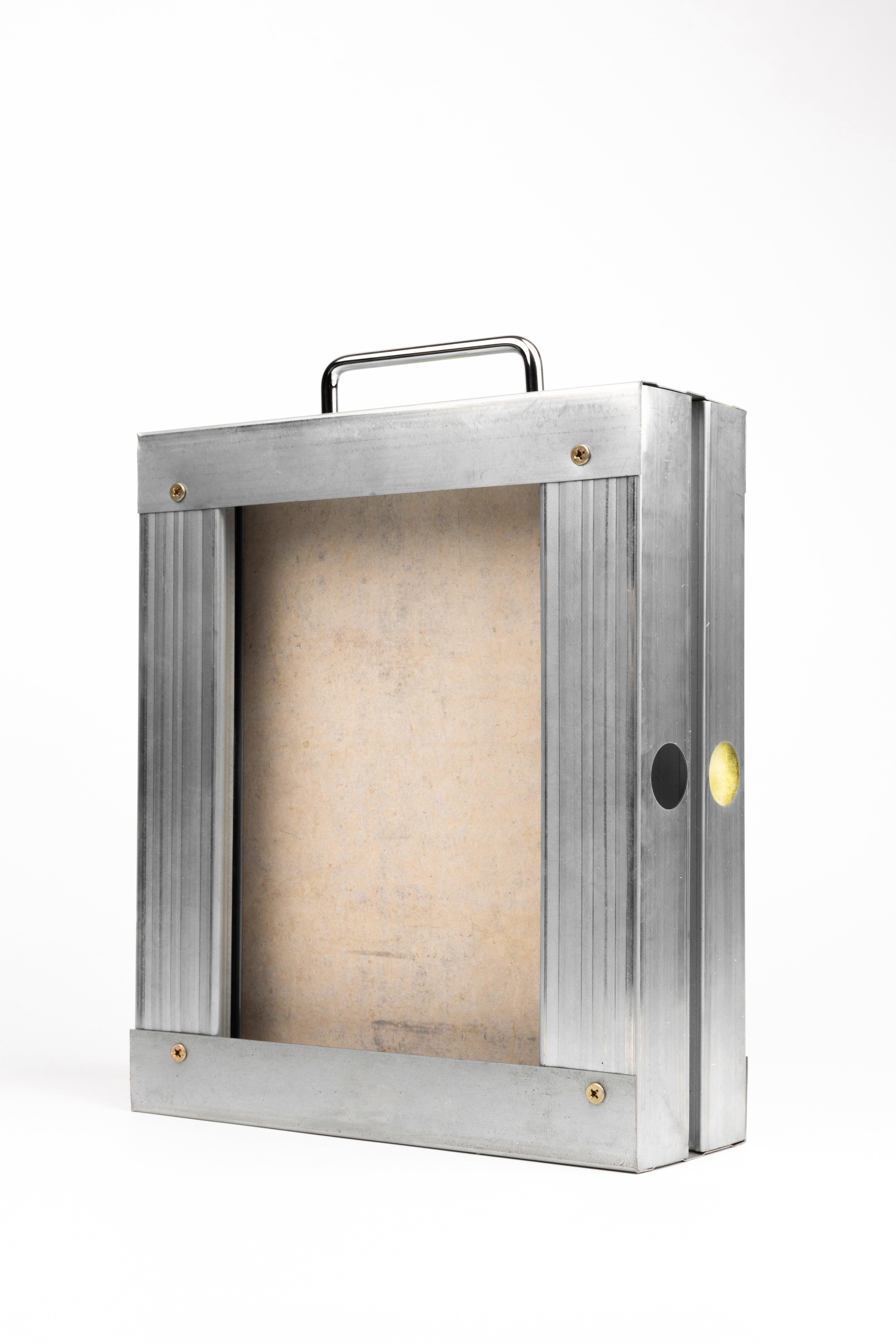
The primary function of an interior partition wall involves space division and layout flexibility. Unlike load-bearing walls, an interior partition wall doesn't carry structural weight, making installation more straightforward and cost-effective. Modern interior partition wall systems utilize lightweight materials such as drywall, glass, metal framing, and composite panels, reducing overall construction complexity. Technological features include soundproofing capabilities, fire-resistant properties, and integrated utilities like electrical wiring and plumbing conduits.
An interior partition wall can be installed quickly using advanced construction methods, including dry-wall systems and modular components. These walls offer acoustic insulation, maintaining privacy between spaces while reducing noise transmission. Fire-rated interior partition wall options provide additional safety compliance for commercial applications. Applications span residential renovations, office reconfiguration, retail spaces, and healthcare facilities.
The versatility of an interior partition wall makes it invaluable for contemporary building design. Whether creating home offices, subdividing apartments, or reorganizing commercial floors, an interior partition wall provides adaptable solutions. Installation requires minimal structural modifications, preserving building integrity while maximizing spatial utility. Advanced interior partition wall designs incorporate sustainability features, utilizing eco-friendly materials and energy-efficient configurations that support modern environmental standards.

 EN