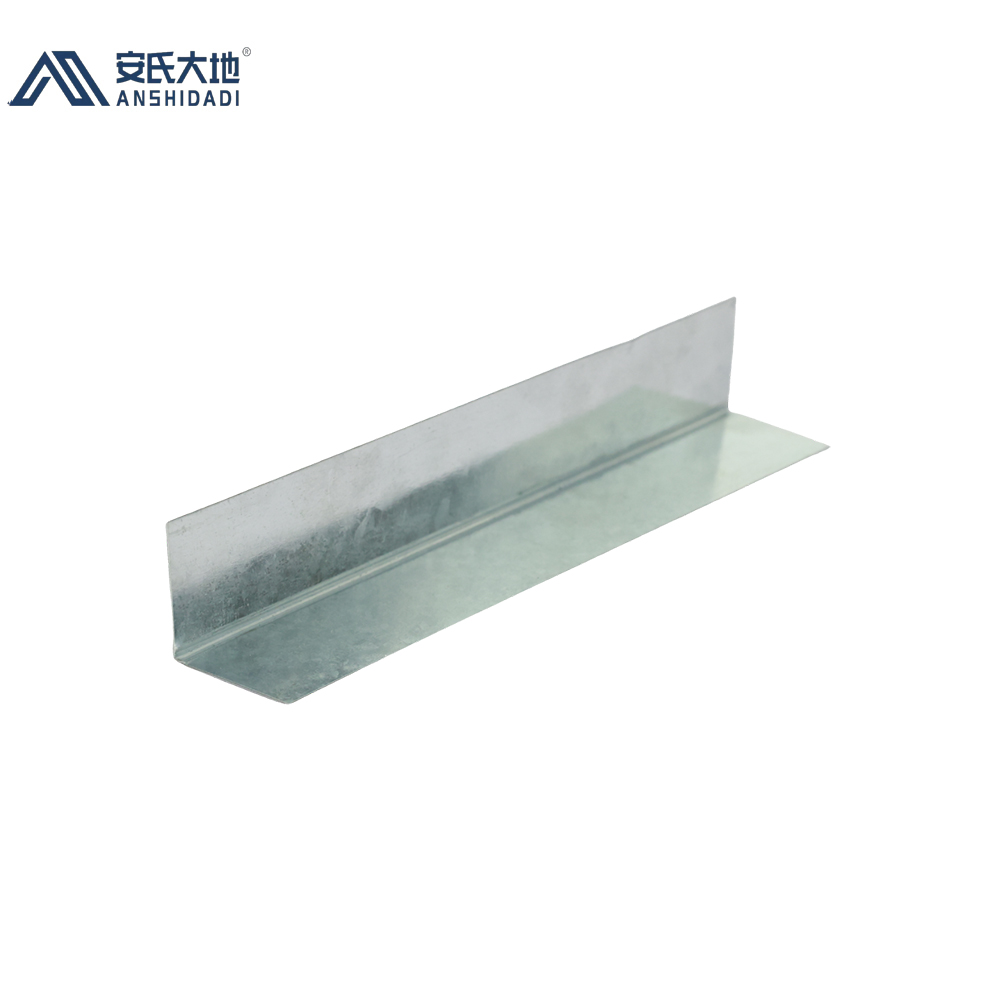
Shadow Wall Angle: Energy-Efficient Design Solution

Get a Free Quote

Our representative will contact you soon.
Name
Email
Mobile
Country/Region
Message
0/1000

shadow wall angle

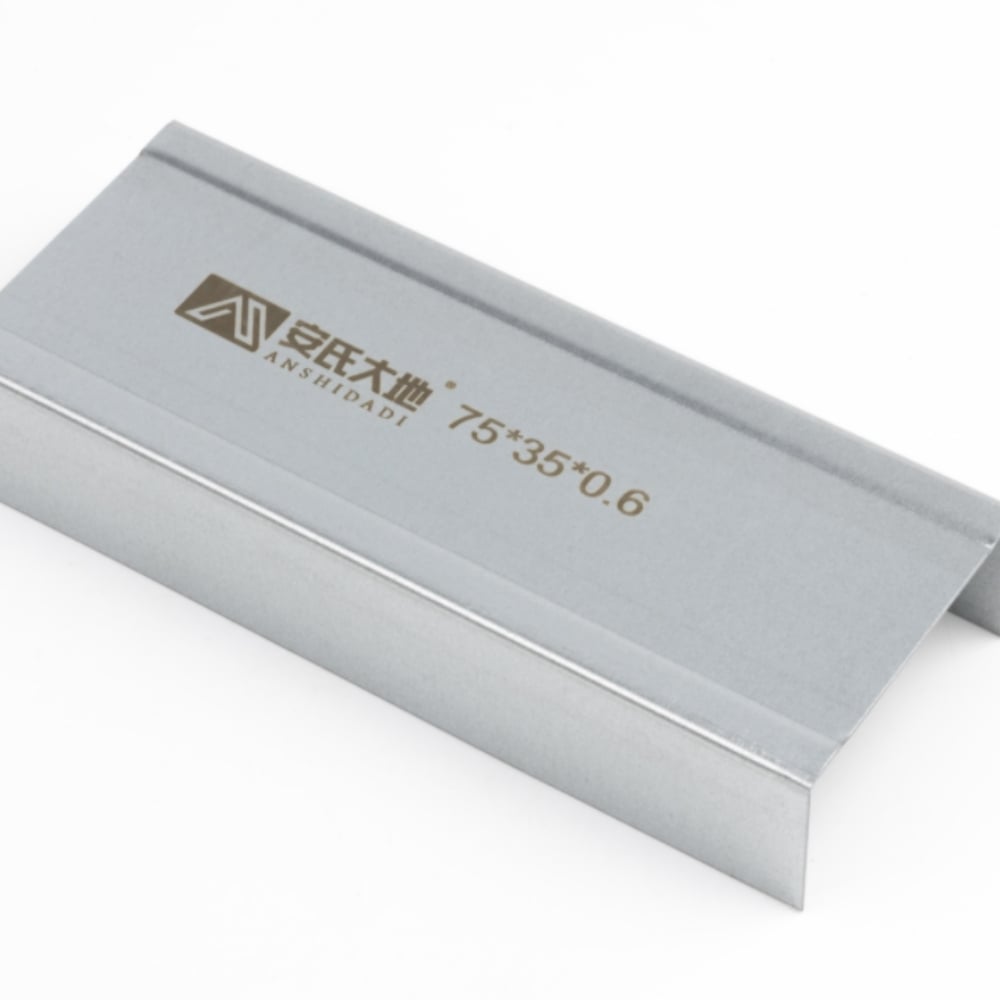
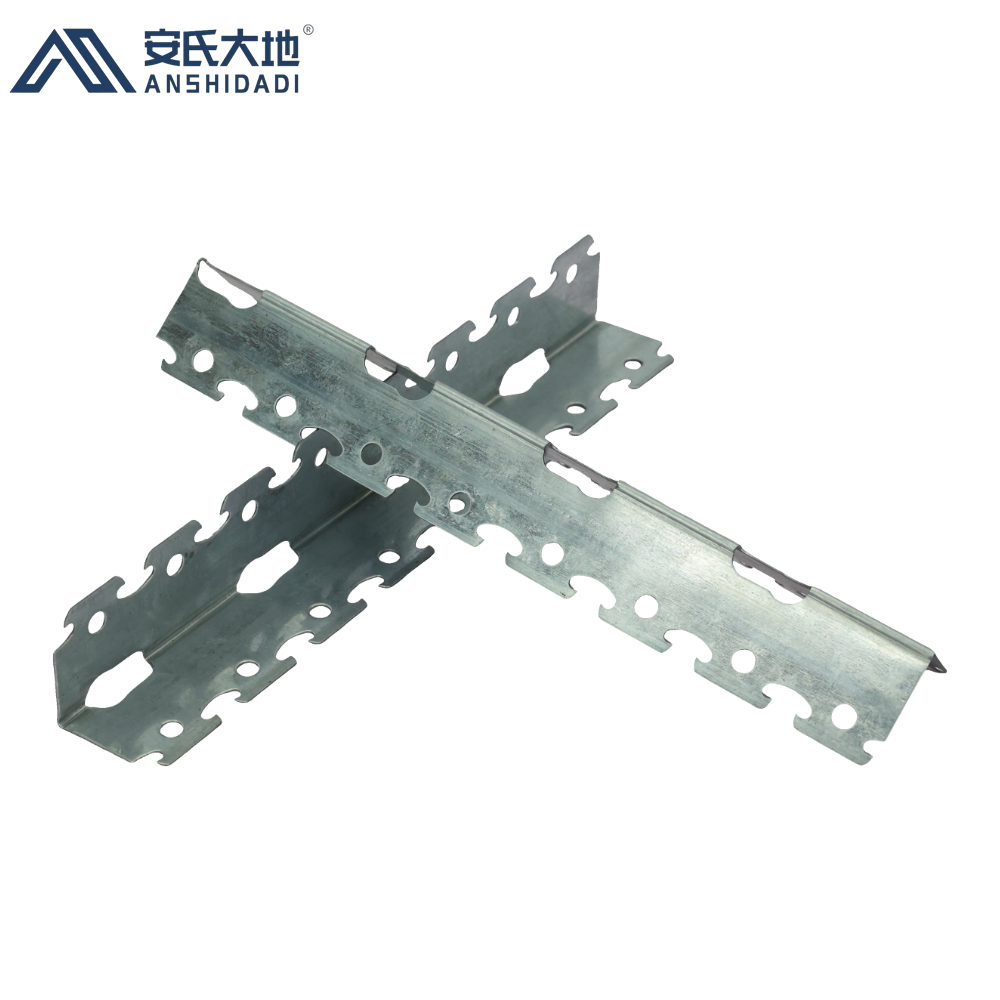
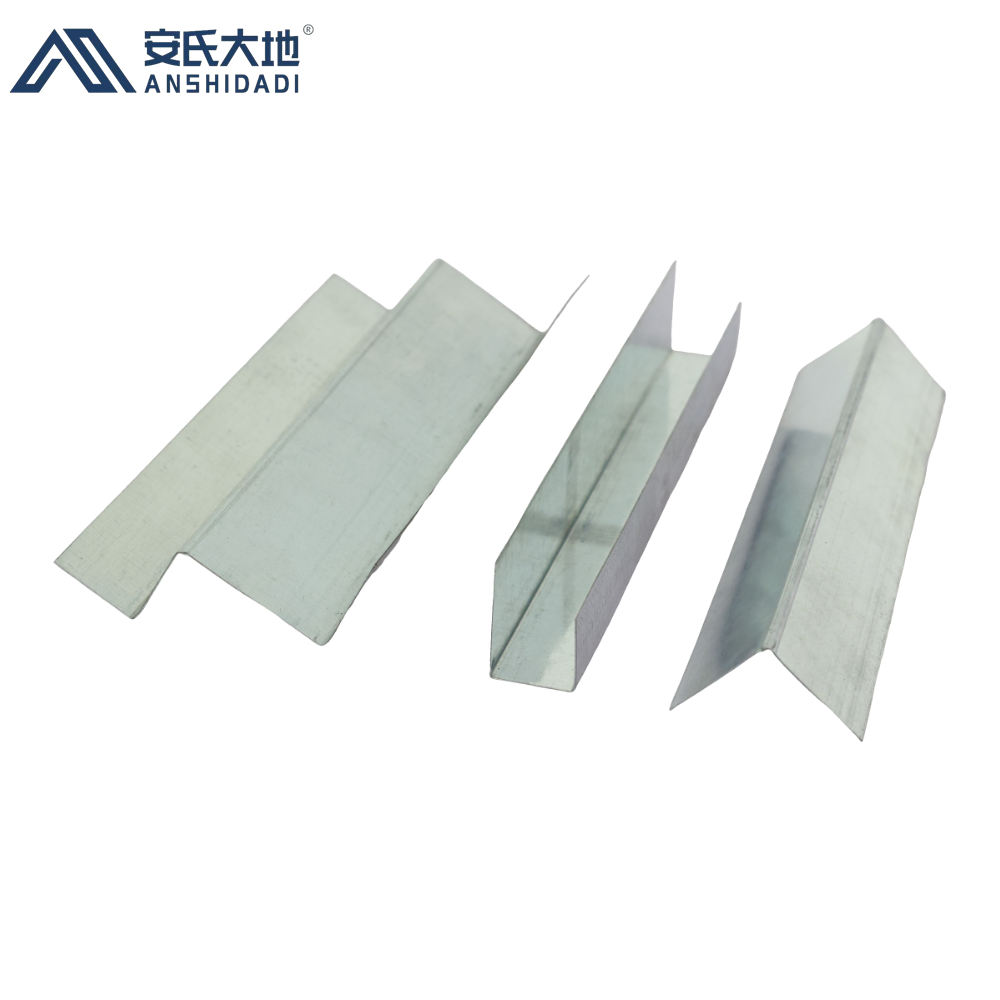
The shadow wall angle represents a sophisticated architectural and construction solution designed to manage light, shadow, and structural integrity in modern building design. This specialized component functions as a precision-engineered element that controls how sunlight interacts with exterior wall surfaces, creating optimal visual and thermal conditions. The shadow wall angle operates by strategically positioning angled surfaces that intercept direct sunlight, thereby reducing heat gain and glare while maintaining aesthetic appeal. Technologically, the shadow wall angle incorporates advanced materials and precision manufacturing to ensure durability and consistent performance across varying climate conditions. The design features adjustable positioning capabilities that allow customization based on geographic location and seasonal requirements. The shadow wall angle serves multiple functions simultaneously: it minimizes solar radiation exposure, reduces cooling costs, protects interior spaces from excessive brightness, and enhances architectural aesthetics. Modern shadow wall angle systems utilize computational design principles to optimize shadow patterns throughout the day. These components integrate seamlessly with contemporary building envelopes, supporting sustainable construction practices. Applications for the shadow wall angle extend across residential, commercial, and institutional buildings. The technology proves particularly valuable in regions experiencing intense solar exposure or extreme temperature fluctuations. Installation of a shadow wall angle requires careful planning and professional execution to maximize effectiveness. This innovative solution addresses growing demands for energy-efficient construction while maintaining design flexibility and visual sophistication in architectural projects.

New Product Recommendations

The shadow wall angle delivers substantial practical benefits that directly enhance building performance and occupant comfort. Property owners experience immediate operational advantages through reduced air conditioning demands, as the shadow wall angle effectively minimizes unwanted solar heat entering interior spaces. This thermal management capability translates into measurable energy savings and lower utility bills throughout the year. The shadow wall angle provides superior glare reduction, creating more comfortable work and living environments without compromising natural light penetration. Occupants enjoy improved visual comfort and enhanced productivity in naturally lit spaces protected by strategic shadow wall angle installations. Decision-makers appreciate the architectural flexibility that the shadow wall angle offers, enabling designers to create distinctive building facades while achieving functional performance objectives. Installation of a shadow wall angle requires minimal maintenance compared to traditional shading solutions, reducing long-term operational costs and facility management burdens. The shadow wall angle supports sustainability initiatives by decreasing energy consumption and lowering carbon footprints associated with mechanical cooling systems. Property values increase when buildings feature efficient environmental controls like the shadow wall angle, making this investment attractive to discerning buyers and tenants. The shadow wall angle adapts effectively to different building orientations and architectural styles, providing versatile application across diverse project types. Customization options allow architects to specify shadow wall angle dimensions and angles that perfectly match specific site conditions and design intentions. Cost-effectiveness improves significantly when considering the shadow wall angle's combined benefits: energy savings, occupant comfort enhancement, aesthetic improvement, and minimal maintenance requirements. Building managers benefit from simplified operations when the shadow wall angle eliminates complex mechanical shading systems requiring regular adjustment and monitoring.

Practical Tips

Corrosion Resistant Steel Keel Wholesale for Humid Environments

02

Jun

Corrosion Resistant Steel Keel Wholesale for Humid Environments

When construction projects are planned for humid environments, material selection becomes one of the most critical decisions a contractor or procurement team will make. corrosion resistant steel keel has become the go-to structural framing material f...
View More
Rigid Steel Keel Profiles Designed for Interior Partitions

21

Jul

Rigid Steel Keel Profiles Designed for Interior Partitions

Interior partitions form the structural backbone of modern commercial and industrial spaces, dividing areas while maintaining code compliance and acoustic integrity. Rigid steel keel profiles have emerged as the preferred solution for architects, bui...
View More
Wholesale Drywall Panels and Sourcing Guides for Contractors

19

Jul

Wholesale Drywall Panels and Sourcing Guides for Contractors

对于承包商而言,在管理施工预算和项目进度时,批发石膏板的采购是他们面临的最关键决策之一。无论您是建造住宅楼、商业空间还是进行翻新项目,批发石膏板都会直接影响您的材料成本和人工效率。了解如何找到可靠的批发石膏板供应商、协商有利的条款并保持一致的质量标准,是区分成功承包商和那些因供应链中断和意外支出而苦苦挣扎的承包商的关键所在。本指南将为您提供切实可行的建议,帮助您有效地采购批发石膏板,同时确保项目所需的结构完整性。 对于了解最佳采购实践的承包商而言,批发石膏板市场蕴藏着巨大的商机。通过批发渠道批...
View More
Bulk Sourcing Drywall Deliveries for Commercial Office Blocks

18

Jul

Bulk Sourcing Drywall Deliveries for Commercial Office Blocks

Sourcing materials for large commercial office projects requires strategic planning, vendor relationships, and reliable logistics. Bulk sourcing drywall deliveries for commercial office blocks is a critical function that impacts project timelines, bu...
View More

Get a Free Quote

Our representative will contact you soon.
Name
Email
Mobile
Country/Region
Message
0/1000

shadow wall angle

Energy Efficiency and Cost Reduction

Energy Efficiency and Cost Reduction

The shadow wall angle dramatically reduces energy consumption by controlling solar radiation before it penetrates building interiors. This proactive approach prevents thermal gain that would otherwise require expensive air conditioning compensation. Property owners observe measurable reductions in cooling costs, sometimes exceeding thirty percent in optimal climate conditions. The shadow wall angle's fixed design eliminates operational complexity associated with motorized shading systems, reducing maintenance expenses and technical support requirements. Buildings equipped with the shadow wall angle maintain consistent interior temperatures naturally, decreasing reliance on mechanical HVAC systems during peak sunlight hours. This efficiency improvement extends equipment lifespan by reducing operational stress. Long-term financial benefits of installing the shadow wall angle compound annually, creating substantial lifetime savings. Energy-conscious developers increasingly specify the shadow wall angle as standard in sustainable construction projects. The shadow wall angle supports green building certification requirements by demonstrating measurable energy performance improvements. Occupants experience improved comfort stability throughout the day, reducing complaints about temperature fluctuations and brightness variations.
Architectural Design Flexibility and Aesthetics

Architectural Design Flexibility and Aesthetics

The shadow wall angle empowers architects to integrate functional performance with distinctive visual design, creating memorable building facades that perform exceptionally well. This component offers remarkable customization potential, allowing designers to specify precise angles, materials, and configurations matching unique project requirements. The shadow wall angle creates dynamic shadow patterns that evolve throughout the day, adding visual interest and sophistication to exterior appearances. Modern buildings featuring the shadow wall angle achieve contemporary aesthetics while demonstrating commitment to performance-driven design principles. The shadow wall angle works seamlessly with various architectural styles, from minimalist modern to traditional contexts, adapting to diverse design visions. Sculptural qualities inherent to well-designed shadow wall angle installations enhance curb appeal and distinguish properties in competitive markets. Design flexibility enables the shadow wall angle to accommodate irregular building geometries and complex facade articulations. The shadow wall angle integrates with other architectural elements—louvers, screens, and transparent materials—creating cohesive design solutions. Photographers and architectural publications frequently highlight buildings featuring innovative shadow wall angle installations, generating valuable marketing exposure and prestige.
Occupant Comfort and Interior Environment Quality

Occupant Comfort and Interior Environment Quality

The shadow wall angle creates significantly superior interior environments by managing light quality and temperature stability simultaneously. Occupants benefit from natural illumination without accompanying glare, heat, or visual discomfort typically associated with uncontrolled solar exposure. The shadow wall angle maintains consistent interior brightness throughout the day, eliminating harsh direct sunlight that reduces productivity and causes eye strain. This enhanced comfort translates directly into improved workplace satisfaction, reduced absenteeism, and increased operational efficiency. Residential spaces protected by the shadow wall angle provide superior living conditions with excellent natural light quality and thermal comfort. The shadow wall angle enables windows to remain uncovered, maintaining transparency and connection with exterior views while providing necessary sun protection. Indoor air quality improves when the shadow wall angle reduces cooling system operational intensity, decreasing air circulation and associated dust recirculation. Students, workers, and residents demonstrate measurably improved performance metrics in environments enhanced by shadow wall angle installations. Health benefits emerge from superior natural light access combined with heat and glare reduction provided by the shadow wall angle. Acoustic properties occasionally improve as the shadow wall angle configuration can reduce wind noise and external sound transmission.

Get a Free Quote

Our representative will contact you soon.
Name
Email
Mobile
Country/Region
Message
0/1000