
 EN
EN



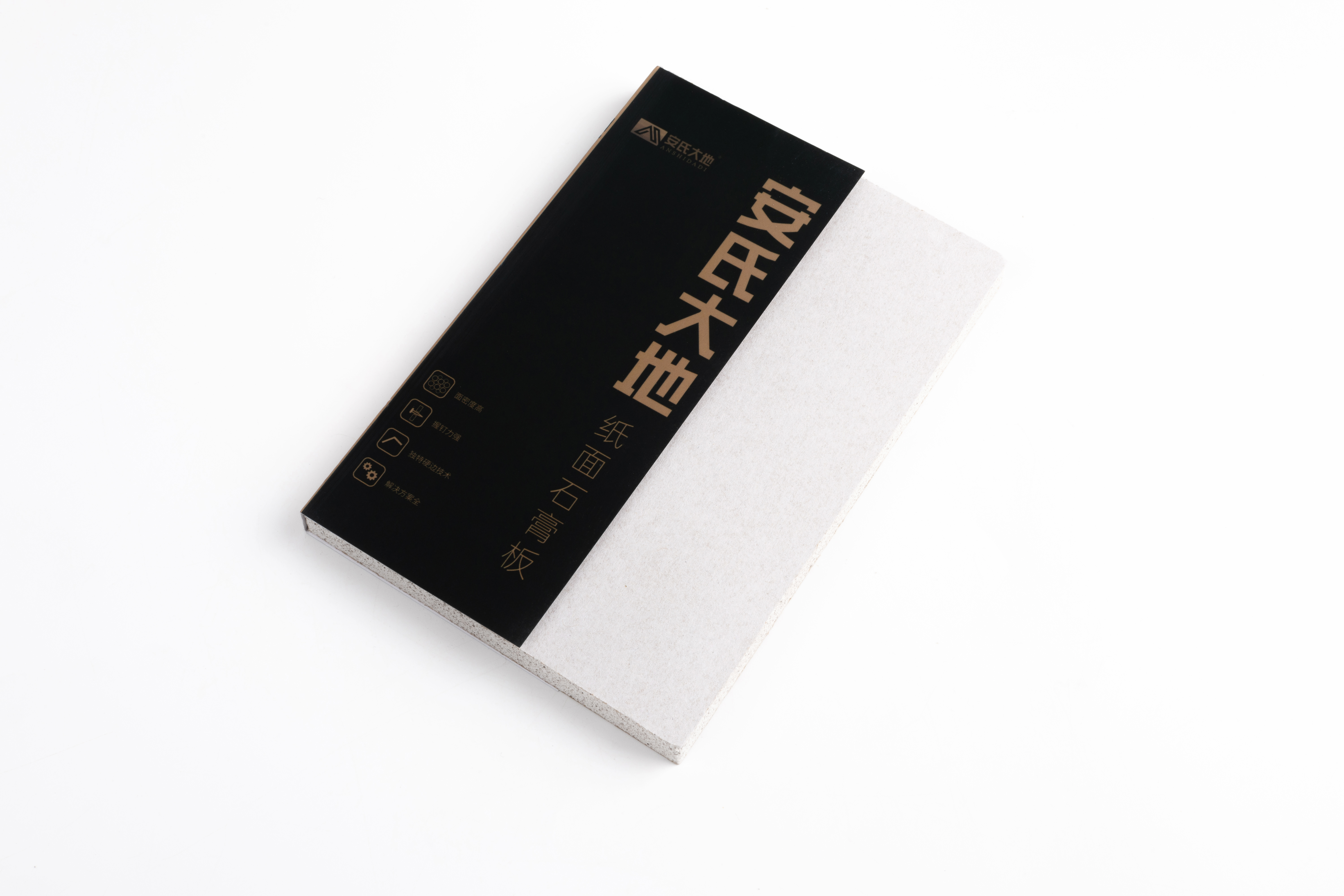
Public infrastructure projects demand materials that balance durability, safety, cost-efficiency, and environmental responsibility. Among the most versatile and widely adopted solutions in modern construction is gypsum board, which has become fundamental to institutional, commercial, and civic building systems worldwide. Gypsum board delivers superior fire resistance, acoustic performance, and thermal efficiency—critical attributes for facilities serving large populations. Understanding how gypsum board functions in public infrastructure projects helps facility managers, architects, and procurement professionals make informed material selections that align with project requirements and long-term operational performance.
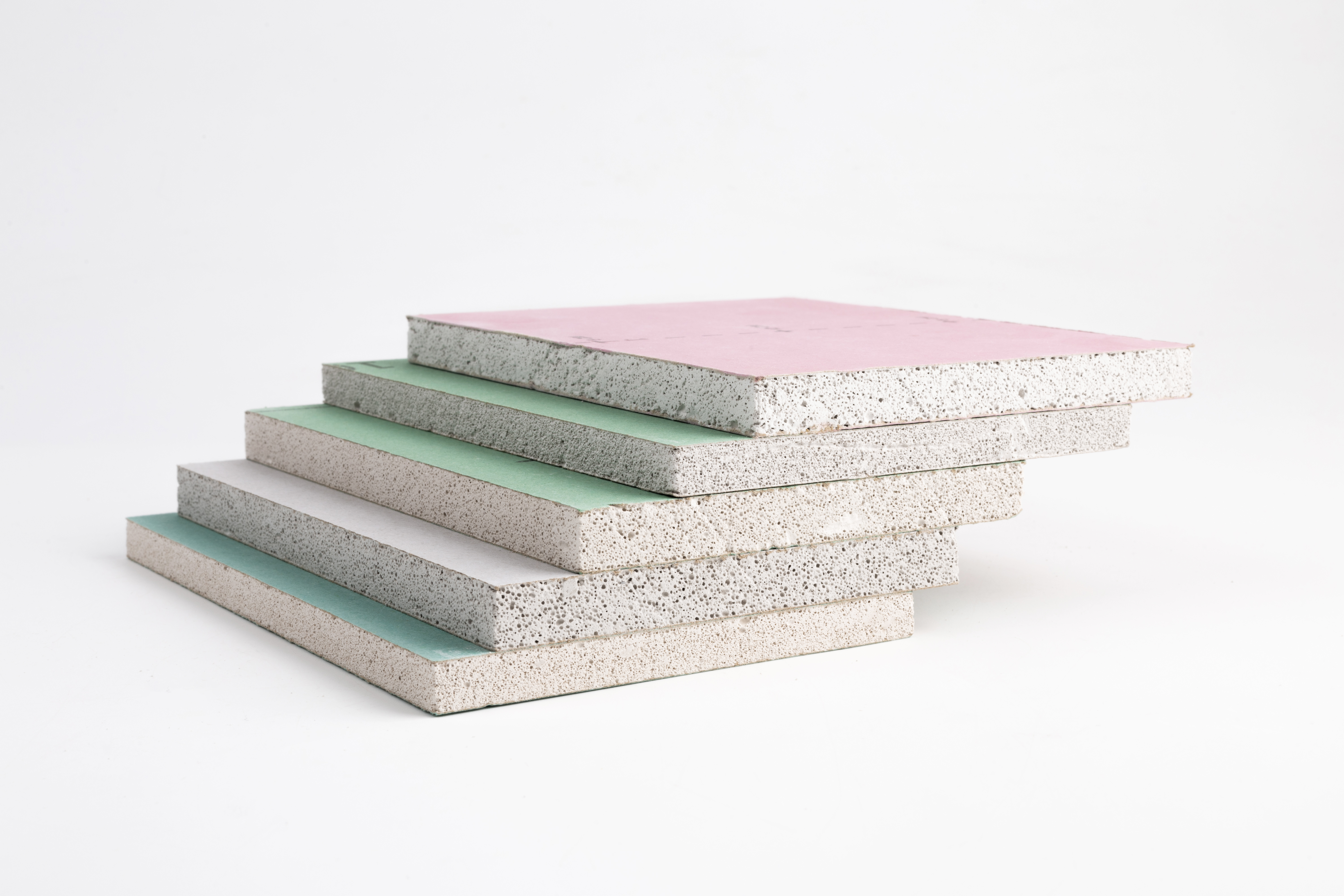
The application of gypsum board in public infrastructure extends far beyond basic wall partitioning. Modern gypsum board systems integrate advanced formulations designed to meet stringent building codes, fire safety standards, and environmental regulations that govern public facilities. Whether in schools, hospitals, administrative buildings, or transportation hubs, gypsum board provides a reliable foundation for interior environments that prioritize occupant safety and operational continuity. This article examines the practical applications, technical advantages, and implementation considerations that make gypsum board a cornerstone material in contemporary public infrastructure development.
Gypsum Board in Institutional Facilities
Educational and Healthcare Infrastructure
Educational institutions and healthcare facilities represent two of the largest sectors deploying gypsum board systems. Schools require materials that combine fire safety, acoustic isolation, and durability to support diverse learning environments. Gypsum board excels in creating classroom partitions that minimize sound transmission between adjacent spaces while maintaining structural integrity over decades of use. In hospitals and clinical settings, gypsum board applications include partition walls, ceiling systems, and specialized enclosures designed to support infection control protocols and equipment installation requirements. The material's inherent fire resistance rating provides a critical safety layer in facilities where rapid evacuation and emergency response procedures are essential. Healthcare administrators increasingly specify gypsum board because it meets Joint Commission standards and supports moisture management in operating rooms and laboratory spaces.
Administrative and Civic Buildings
Government offices, municipal buildings, and civic centers utilize gypsum board to create flexible interior spaces that adapt to changing operational needs. Gypsum board systems facilitate rapid reconfiguration of office layouts, departmental divisions, and public service areas without major structural modifications. The material supports integrated building systems—including electrical pathways, HVAC ducts, and plumbing runs—within wall cavities, reducing installation complexity and maintenance access costs. Gypsum board also provides a finished surface that meets public facility aesthetic standards while requiring minimal ongoing maintenance. This combination of flexibility, performance, and cost-effectiveness makes gypsum board the standard choice for municipal infrastructure modernization projects across North America and Europe.
Fire Safety and Code Compliance with Gypsum Board
Fire Rating Requirements and Performance Standards
Public infrastructure projects must comply with fire codes that mandate specific fire-resistance ratings for building materials. Gypsum board, particularly fire-rated formulations, achieves one-hour, two-hour, and three-hour fire ratings depending on installation specifications and core composition. The material's non-combustible mineral gypsum core contains chemically bound water that releases during exposure to high temperatures, creating a protective barrier that slows flame spread and heat transmission. Architects and engineers specify gypsum board to satisfy occupancy classifications, building height limitations, and fire separation requirements established by the National Fire Protection Association (NFPA) and International Building Code (IBC). Understanding gypsum board fire performance enables designers to create cost-effective fire-rated assemblies that meet code mandates without requiring expensive alternative materials or oversized structural systems. Testing organizations such as Underwriters Laboratories (UL) and the American Society for Testing and Materials (ASTM) establish standardized testing protocols that validate gypsum board fire ratings, ensuring consistency across manufacturing facilities and installation locations.
Smoke and Flame Spread Control
Beyond fire rating duration, gypsum board materials control smoke development and flame spread through specialized core additives and surface treatments. The Smoke Development rating and Flame Spread rating—metrics established by ASTM E84 testing—indicate how quickly fire propagates across gypsum board surfaces. Standard gypsum board typically achieves Class A fire ratings with low flame spread and smoke development scores, making it suitable for public spaces with high occupant density. Modified gypsum board formulations with enhanced additives achieve even superior performance in demanding applications such as exit corridors, stairwells, and assembly areas where public safety depends on limiting fire propagation. Facilities managers benefit from gypsum board's predictable fire behavior, which simplifies life safety planning and emergency preparedness procedures in public infrastructure assets.
Acoustic Performance and Interior Environment Quality
Sound Isolation and Noise Reduction Coefficients
Public infrastructure projects frequently encounter acoustic challenges that require effective noise isolation between spaces. Gypsum board achieves substantial sound transmission class (STC) ratings when installed with proper framing, cavity insulation, and assembly design. Educational facilities leverage gypsum board systems to minimize noise transfer from mechanical equipment areas to classrooms and study spaces. Hospitals utilize gypsum board partitions to create acoustically isolated patient rooms, reducing stress and supporting recovery outcomes. Transportation facilities such as airports and transit stations specify gypsum board in administrative and break areas to shield personnel from ambient environmental noise. The material's density and damping characteristics contribute to noise reduction coefficients (NRC) that improve interior acoustic environments across diverse facility types. By selecting gypsum board with appropriate thickness and backing specifications, infrastructure managers achieve acoustic performance that enhances operational efficiency and occupant comfort without requiring extensive mechanical treatments or specialized sound absorption systems.
Speech Privacy and Confidentiality Spaces
Confidential spaces within public facilities—including counseling offices, medical examination rooms, and administrative conference areas—require gypsum board systems designed specifically for speech privacy. Enhanced gypsum board assemblies incorporating resilient channels, acoustic sealants, and staggered stud configurations achieve STC ratings exceeding 60, effectively blocking conversational speech transmission. Government agencies, educational institutions, and healthcare organizations rely on gypsum board privacy solutions to meet regulatory requirements protecting patient information and sensitive communications. The material's flexibility in assembly design enables architects to create privacy solutions tailored to specific operational needs without compromising structural performance or aesthetic integration. This adaptability makes gypsum board the preferred material for infrastructure projects requiring confidential spaces within shared facilities.
Environmental Sustainability and Long-Term Infrastructure Value
Recycled Content and Manufacturing Efficiency
Contemporary gypsum board manufacturing increasingly incorporates recycled content and utilizes waste-reduction processes aligned with sustainable infrastructure goals. Many gypsum board products contain synthetic gypsum recovered from industrial processes or recycled gypsum board from construction waste, reducing dependence on virgin mineral extraction. This closed-loop material cycle supports environmental objectives while maintaining structural and performance properties required in public infrastructure applications. The energy-efficient manufacturing processes employed by modern gypsum board facilities generate minimal air emissions and waste byproducts, contributing to regional air quality and landfill diversion goals. Infrastructure planners selecting gypsum board for public projects can demonstrate environmental responsibility and support community sustainability initiatives without compromising technical performance or cost-effectiveness.
Indoor Air Quality and Material Emissions
Public facilities prioritize indoor air quality because occupant health directly correlates with productivity, attendance rates, and operational outcomes. Gypsum board materials emit negligible volatile organic compounds (VOCs) and do not off-gas harmful substances over the building's operational lifespan. Third-party certifications such as GreenGuard Gold and FloorScore verify that gypsum board meets strict indoor air quality standards, providing assurance to facility managers and building occupants. Schools, hospitals, and government buildings increasingly specify low-emission gypsum board as a foundational material in comprehensive indoor air quality strategies. This performance characteristic contributes to healthier public facilities while supporting institutional commitments to occupant wellness and environmental stewardship. The durability of gypsum board—often lasting 50+ years in service—further reduces material consumption and environmental impact compared to shorter-lived alternatives requiring replacement cycles.
FAQ
What fire ratings does gypsum board achieve in public infrastructure applications?
Standard gypsum board typically achieves one-hour fire ratings when installed in approved assemblies. Fire-rated gypsum board formulations can achieve two-hour and three-hour ratings depending on core composition, thickness, framing specifications, and installation details. Project specifications should reference ASTM E119 testing standards and UL fire-rated assembly designs to confirm ratings applicable to specific infrastructure applications. Consulting with structural engineers and fire protection specialists ensures that gypsum board selections satisfy occupancy classifications and code-mandated fire separation requirements.
How does gypsum board compare to alternative partition materials in public facilities?
Gypsum board offers superior acoustic performance, fire resistance, and cost-efficiency compared to many alternative partition systems. Unlike masonry or concrete alternatives, gypsum board enables flexible interior reconfiguration without major structural modifications. Compared to specialty materials, gypsum board provides equivalent performance at lower material and installation costs, improving project budgets and enabling resource allocation to other critical facility systems. Long-term maintenance requirements for gypsum board remain minimal relative to alternatives, reducing operational expenses over infrastructure asset lifecycles.
Can gypsum board support integration of mechanical, electrical, and plumbing systems?
Yes, gypsum board partition systems accommodate integrated pathways for HVAC ducts, electrical conduits, plumbing runs, and data cabling within wall cavities. This design flexibility simplifies system installation and reduces building coordination complexity compared to alternatives that require surface-mounted equipment or external routing. Proper cavity sizing, fire-blocking provisions, and acoustic isolation of mechanical elements ensure that gypsum board assemblies maintain performance while supporting comprehensive facility systems integration required in modern public infrastructure.