
 EN


Waterproof drywall has become essential in modern construction, particularly for projects requiring specialized engineering solutions. Unlike standard drywall, waterproof drywall offers superior moisture resistance and durability in demanding environments. Custom thickness waterproof drywall takes this protection a step further, allowing engineers and builders to specify exact material dimensions that match their project requirements. Whether you're working on industrial facilities, commercial kitchens, healthcare environments, or underground structures, understanding waterproof drywall specifications ensures your project meets code requirements and maintains long-term structural integrity.
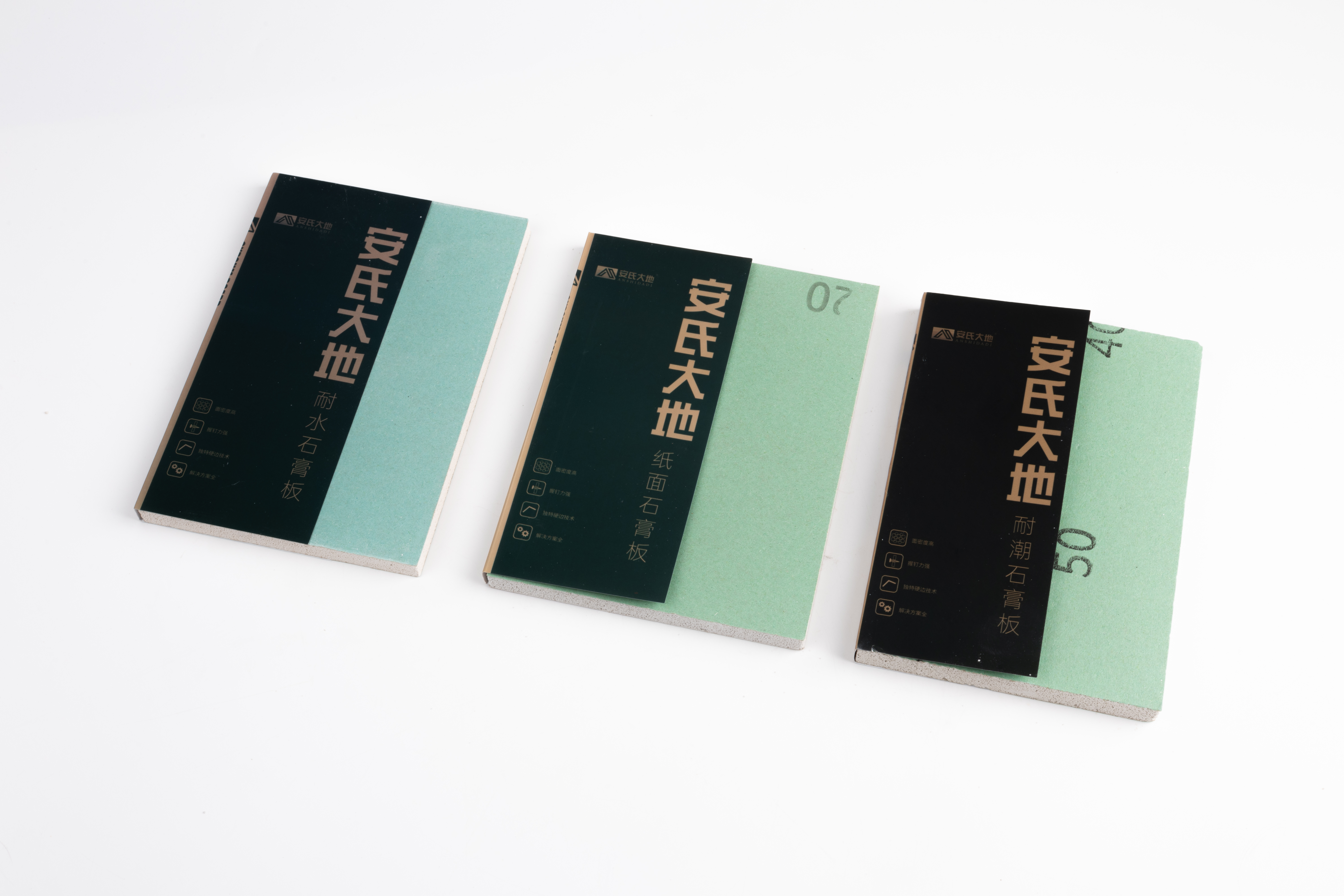
The engineering community increasingly recognizes that waterproof drywall specifications must align with specific environmental conditions and load-bearing requirements. Custom thickness options empower project managers to balance performance, cost efficiency, and installation logistics. This approach minimizes material waste and ensures optimal structural performance in moisture-critical zones. Selecting the right waterproof drywall thickness depends on multiple factors including humidity levels, water exposure frequency, wall assembly design, and regulatory compliance standards specific to your industry sector.
Understanding Waterproof Drywall Specifications
Core Properties of Waterproof Drywall
Waterproof drywall differs fundamentally from standard drywall through specialized core compositions and surface treatments. The gypsum core in waterproof drywall incorporates water-resistant additives that create a hydrophobic barrier, preventing moisture penetration and mold growth. Traditional waterproof drywall products typically resist moisture absorption far better than standard gypsum board, making them ideal for bathrooms, kitchens, laundries, and mechanical spaces. The manufacturing process ensures waterproof drywall maintains consistent quality throughout the board thickness, providing uniform protection regardless of custom specifications.
Custom Thickness Advantages
Custom thickness waterproof drywall allows engineers to optimize material selection for specific load-bearing scenarios. Standard options typically range from half-inch to five-eighths-inch thickness, but custom specifications accommodate non-standard framing intervals and specialized structural requirements. Using waterproof drywall at precise thicknesses reduces the need for additional backing materials or redundant layers, streamlining installation schedules and reducing labor costs. Engineers working with custom thickness waterproof drywall gain flexibility in designing assemblies that meet fire ratings, acoustic performance, and moisture resistance simultaneously without unnecessary material stacking.
Application Scenarios for Waterproof Drywall
Industrial and Commercial Environments
Industrial facilities and commercial kitchens face constant moisture exposure that demands reliable waterproof drywall protection. Freezer rooms, steam facilities, and chemical storage areas experience temperature and humidity fluctuations that accelerate standard drywall degradation. Waterproof drywall in these environments prevents structural compromise, eliminates mold proliferation, and extends building lifecycle costs. Custom thickness waterproof drywall allows facility managers to engineer wall assemblies that withstand extreme conditions while maintaining code compliance. Food processing plants, pharmaceutical manufacturing facilities, and hospitality venues consistently specify waterproof drywall in wet zones to ensure regulatory compliance and structural longevity.
Healthcare and Institutional Applications
Healthcare facilities require waterproof drywall in bathrooms, decontamination areas, and emergency showers where continuous moisture exposure is standard. Hospital protocols demand materials resistant to aggressive cleaning chemicals and high-pressure water systems that standard gypsum cannot withstand. Waterproof drywall maintains structural integrity in these demanding environments while resisting bacterial colonization and mold proliferation. Custom thickness waterproof drywall enables architects to design infection control areas with precise specifications that exceed minimum code requirements, supporting healthcare facility operations and patient safety initiatives.
Installation and Performance Considerations
Proper Installation Techniques
Installing waterproof drywall requires adherence to specific protocols that differ from standard drywall construction. Fastener spacing, joint taping methods, and sealant applications must align with waterproof drywall manufacturer specifications to maintain protective properties. Custom thickness waterproof drywall installation benefits from precise fastener scheduling and synchronized joint treatment procedures that standard drywall installation might overlook. Contractors experienced with waterproof drywall understand that protective benefits extend only as far as installation quality supports the material specifications. Improper tape application, inadequate sealant coverage, or incorrect fastener penetration can compromise waterproof drywall performance regardless of base material quality.
Long-Term Performance Monitoring
Waterproof drywall performance over decades of service depends on continued moisture management and environmental control. Custom thickness waterproof drywall installations benefit from preventive maintenance protocols that identify potential problems before they affect structural integrity. Regular inspection of joint sealants, fastener penetrations, and penetration points ensures waterproof drywall maintains protective properties throughout its service life. Facilities managers monitoring waterproof drywall integrity can identify when sealant renewal or localized repairs prevent extensive damage. Organizations that track waterproof drywall performance data discover correlations between environmental conditions and material degradation, informing future specification decisions.
Cost and Efficiency Benefits
Material Optimization and Waste Reduction
Custom thickness waterproof drywall specifications reduce material waste during installation by eliminating the need for supplementary backing layers or non-standard assemblies. Standard thickness options often require additional materials to accommodate existing framing intervals, increasing project material costs unnecessarily. Specifying waterproof drywall in exact thicknesses required for your wall assembly reduces cut waste and minimizes disposal expenses. Budget-conscious project managers recognize that custom thickness waterproof drywall reduces total installed cost per square foot while improving structural performance. Efficiency gains from precise thickness selection often offset premium pricing associated with custom specifications.
Lifecycle Cost Advantages
Waterproof drywall investments protect building integrity across decades of service, reducing costly remediation expenses from moisture damage. Standard drywall replacement due to mold damage, water infiltration, or structural failure generates unexpected expenses that custom thickness waterproof drywall prevents. Facility owners analyzing waterproof drywall lifecycle costs consistently discover that premium initial investment prevents significantly higher repair and replacement expenses. Buildings equipped with waterproof drywall demonstrate reduced insurance claims related to water damage and improved property valuations. Custom thickness waterproof drywall specifications ensure optimal protection investment aligned with facility risk exposure and operational requirements.
FAQ
What makes waterproof drywall different from standard drywall?
Waterproof drywall incorporates water-resistant additives in the gypsum core and specialized surface treatments that prevent moisture penetration and mold growth. Standard drywall absorbs moisture readily, compromising structural integrity in humid environments. Waterproof drywall maintains its protective properties in bathrooms, kitchens, laundry areas, and other moisture-prone spaces where standard drywall would deteriorate quickly. The manufacturing process ensures consistent hydrophobic properties throughout the material thickness, providing reliable protection regardless of custom specifications selected.
Can custom thickness waterproof drywall meet standard framing intervals?
Yes, custom thickness waterproof drywall can be manufactured to accommodate non-standard framing intervals and specialized structural requirements. Engineers can specify exact thickness requirements that optimize performance for particular wall assemblies without requiring additional backing materials. This flexibility allows projects to utilize existing framing dimensions while maintaining waterproof drywall protection standards. Custom specifications reduce installation complexity and material waste compared to using standard thicknesses with supplementary layers or adjustments.
How long does waterproof drywall typically last in high-moisture environments?
Waterproof drywall lifespan in high-moisture environments depends on installation quality, ongoing maintenance, and environmental control measures. Properly installed waterproof drywall with adequate sealant coverage can perform effectively for 20-30 years or longer in controlled commercial environments. Regular inspection and preventive maintenance of joint sealants and penetration points extend waterproof drywall service life significantly. Facilities that monitor moisture levels and address environmental changes maintain optimal waterproof drywall performance throughout extended service periods.