
 EN


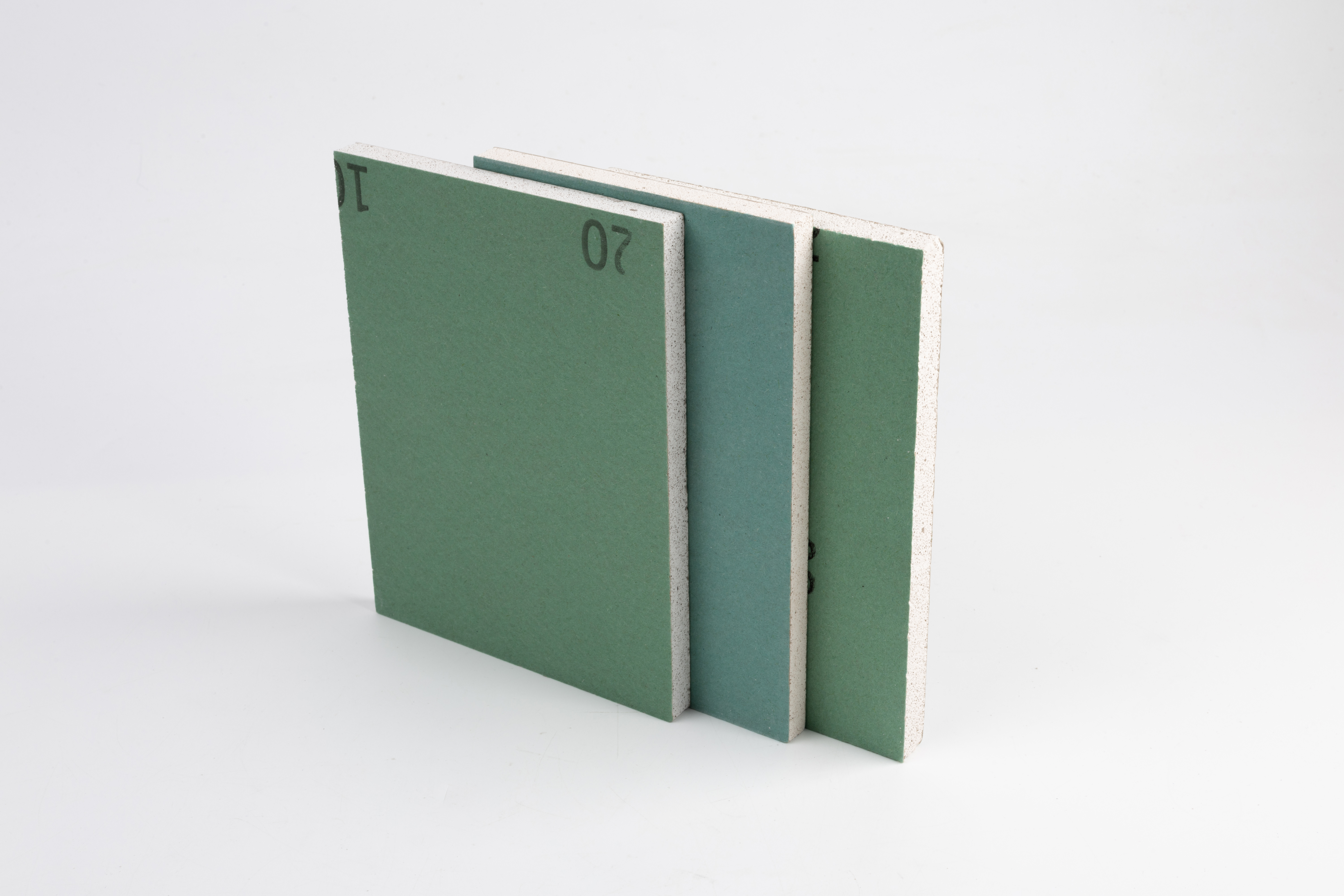
Sourcing waterproof drywall for architectural tenders requires careful attention to product specifications, vendor reliability, and compliance with building codes. When managing large-scale construction projects, the quality and moisture resistance of waterproof drywall directly impact project timelines, long-term durability, and client satisfaction. Architects and project managers must navigate multiple supplier options, evaluate technical performance data, and ensure that selected waterproof drywall meets both contractual requirements and regulatory standards for their specific applications.
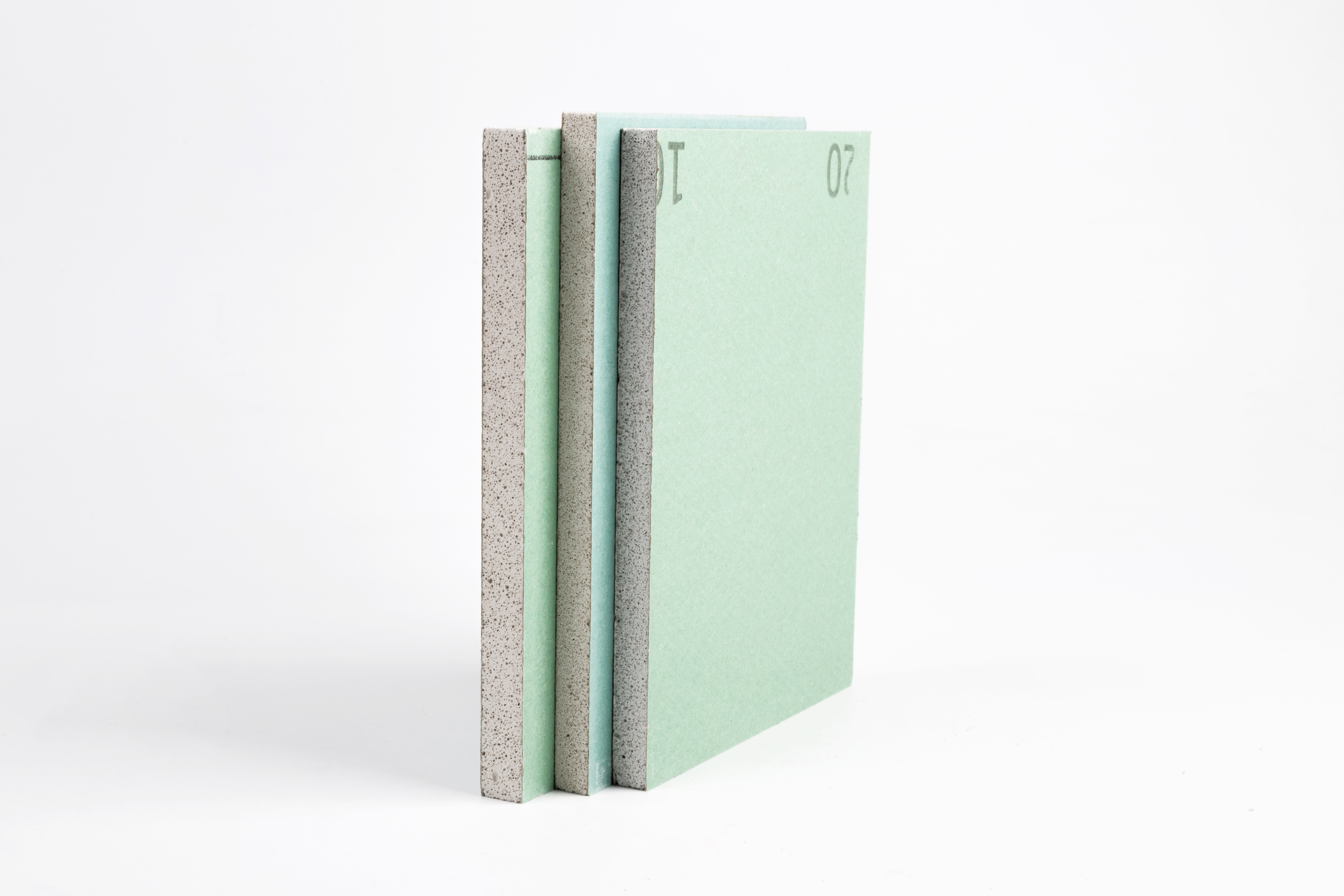
Premium waterproof drywall has become increasingly critical in modern construction, particularly for bathrooms, kitchens, basements, and exterior-facing applications where moisture exposure is inevitable. The sourcing process extends beyond simple product selection—it encompasses vendor verification, cost analysis, delivery logistics, and post-installation support. Organizations that establish robust waterproof drywall sourcing procedures gain competitive advantages through reduced project risk, improved material quality consistency, and stronger vendor relationships that support both immediate tender requirements and future construction initiatives.
Understanding Waterproof Drywall Product Specifications
Core Material Composition and Performance Standards
Waterproof drywall differs fundamentally from standard gypsum board through specialized core composition and treatment methods. The gypsum core in quality waterproof drywall contains additives and binders that resist moisture penetration and maintain structural integrity even when exposed to high humidity or direct water contact. When evaluating waterproof drywall for tender specifications, procurement teams must verify that products meet ASTM C1396 standards and possess moisture absorption ratings below acceptable thresholds. The face paper and back paper on premium waterproof drywall are also treated with moisture-resistant coatings that prevent mold growth and extend product lifespan in challenging environments.
Thickness, Fire Rating, and Acoustic Properties
Waterproof drywall availability spans multiple thickness options, typically ranging from one-quarter inch to five-eighths inch, each suited to specific applications and structural requirements. Fire-rated waterproof drywall products combine moisture resistance with flame-retardant properties, a critical combination for commercial projects where building codes mandate both water resistance and fire protection. Architects specifying waterproof drywall must balance these performance attributes against acoustic needs, as some specialized waterproof drywall formulations sacrifice sound damping for enhanced moisture control. Sourcing decisions should account for these trade-offs early in the tender development phase to avoid costly specification revisions and project delays.
Evaluating and Selecting Waterproof Drywall Vendors
Vendor Credentials and Manufacturing Standards
Reliable sourcing of waterproof drywall begins with comprehensive vendor evaluation focused on manufacturing certifications, quality control procedures, and production capacity. Leading suppliers of waterproof drywall maintain ISO certifications and conduct regular third-party testing to validate moisture resistance claims and product consistency. When requesting quotes for waterproof drywall, procurement teams should ask vendors to provide technical datasheets, independent laboratory test results, and references from completed projects using their waterproof drywall products. Vendors offering comprehensive waterproof drywall support—including installation guidance, warranty documentation, and responsive customer service—typically deliver better project outcomes and reduced risk of material-related failures.
Pricing, Lead Times, and Logistics Coordination
Cost analysis for waterproof drywall sourcing must extend beyond unit pricing to include freight costs, storage requirements, and potential waste factors. Premium waterproof drywall typically commands higher pricing than standard gypsum board, reflecting enhanced manufacturing processes and superior performance characteristics. Lead times for specialized waterproof drywall vary significantly based on vendor location, production schedules, and order volume, making early procurement planning essential for meeting tender deadlines. Establishing relationships with multiple waterproof drywall suppliers provides sourcing flexibility and helps mitigate risk from supply chain disruptions or unexpected demand spikes during project execution phases.
Integration and Specification Best Practices
Architectural Specification Development for Waterproof Drywall
Writing comprehensive specifications for waterproof drywall in tender documents requires clarity around performance expectations, application areas, and quality verification procedures. Effective waterproof drywall specifications reference relevant standards, define acceptable product variations, and establish inspection protocols that validate material quality upon delivery. Architects should specify waterproof drywall using performance-based language rather than brand-specific requirements when possible, allowing qualified manufacturers to bid while maintaining stringent quality standards. Clear waterproof drywall specifications reduce contractor confusion, minimize change orders, and ensure that all bidders understand the project's moisture resistance requirements and long-term durability expectations.
Installation Coordination and Quality Assurance
Sourcing waterproof drywall successfully extends to coordinating installation practices that maximize product performance benefits. Waterproof drywall installation requires specific joint treatment, fastening protocols, and moisture management procedures that differ from standard drywall installation approaches. Procurement teams should include installation requirements in tender documents and verify that contractors possess experience with waterproof drywall application in moisture-prone environments. Quality assurance testing after waterproof drywall installation—including moisture meter readings and visual inspections—confirms that products perform as specified and provides documentation for project compliance records.
FAQ
What makes waterproof drywall different from standard drywall?
Waterproof drywall incorporates moisture-resistant additives in the gypsum core and specialized coatings on face and back paper that prevent water absorption and mold growth. Standard drywall lacks these treatments and deteriorates rapidly when exposed to moisture, making waterproof drywall essential for bathrooms, kitchens, and other high-humidity spaces. The superior performance characteristics of waterproof drywall justify its higher cost through extended product lifespan, reduced maintenance, and improved building durability in challenging environmental conditions.
How should waterproof drywall specifications be written for competitive bidding?
Waterproof drywall specifications should define performance requirements using industry standards like ASTM C1396, establish moisture absorption limits, and identify applicable applications without restricting bids to specific manufacturers. Performance-based waterproof drywall specifications encourage competitive pricing while maintaining quality assurance, allowing multiple qualified suppliers to participate in tender processes. Include installation requirements, quality verification procedures, and warranty expectations in waterproof drywall specifications to ensure consistent project outcomes regardless of contractor selection.
What delivery and storage considerations apply to waterproof drywall?
Waterproof drywall requires climate-controlled storage to prevent premature moisture absorption and maintain product integrity before installation. Delivery coordination should account for site accessibility, storage space availability, and construction scheduling to minimize material exposure to jobsite humidity and temperature fluctuations. Careful handling protocols for waterproof drywall prevent edge damage and surface defects that could compromise moisture resistance performance, making logistics planning as important as vendor selection in the overall sourcing process.