
 EN



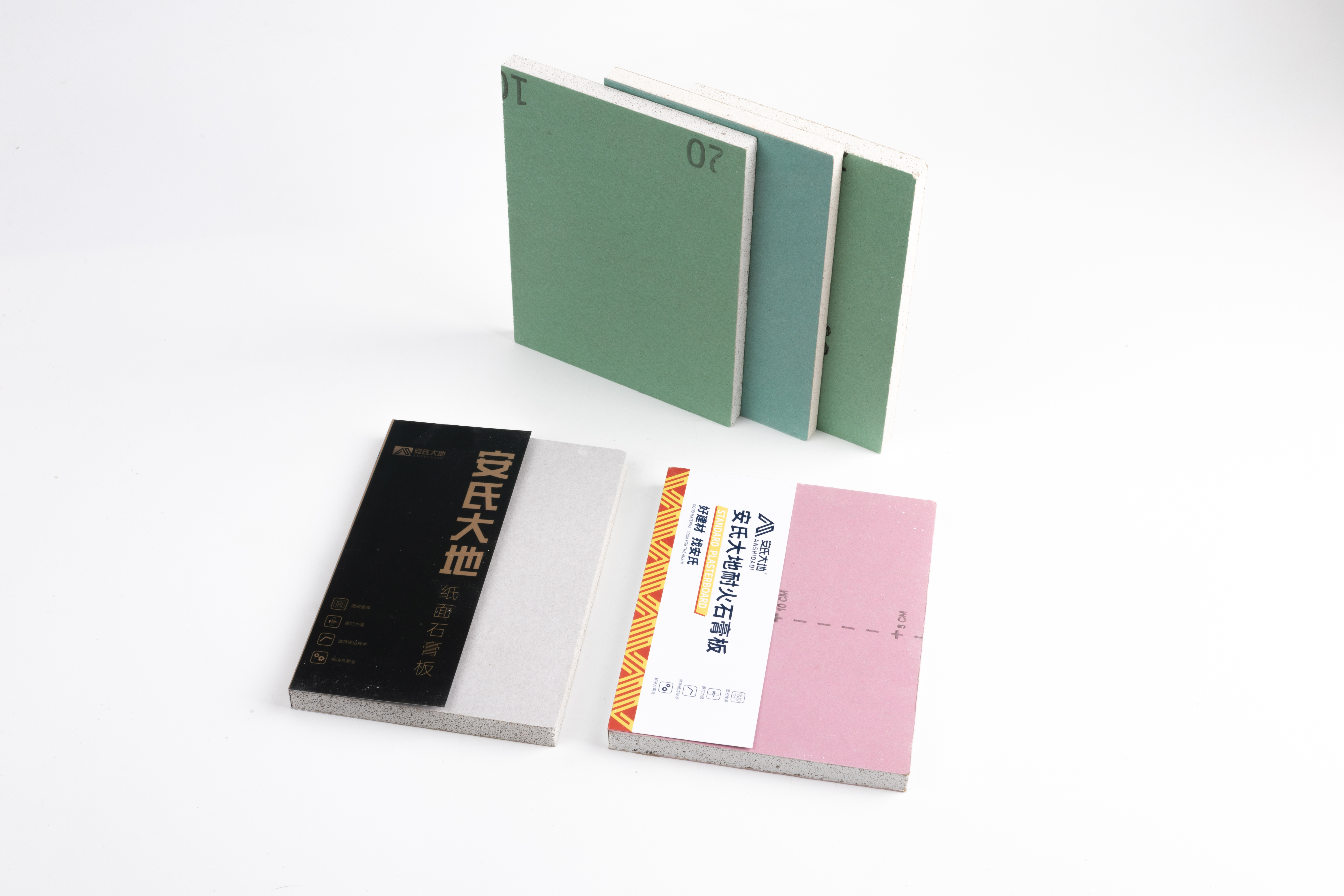
Indoor swimming complexes demand specialized building materials that can withstand constant exposure to moisture, chlorine, and high humidity levels. Waterproof drywall has become the industry standard for protecting structural integrity and extending facility lifespan in these challenging environments. Unlike standard gypsum board, waterproof drywall is engineered with moisture-resistant cores and specially treated surfaces that prevent water absorption, mold growth, and structural degradation.
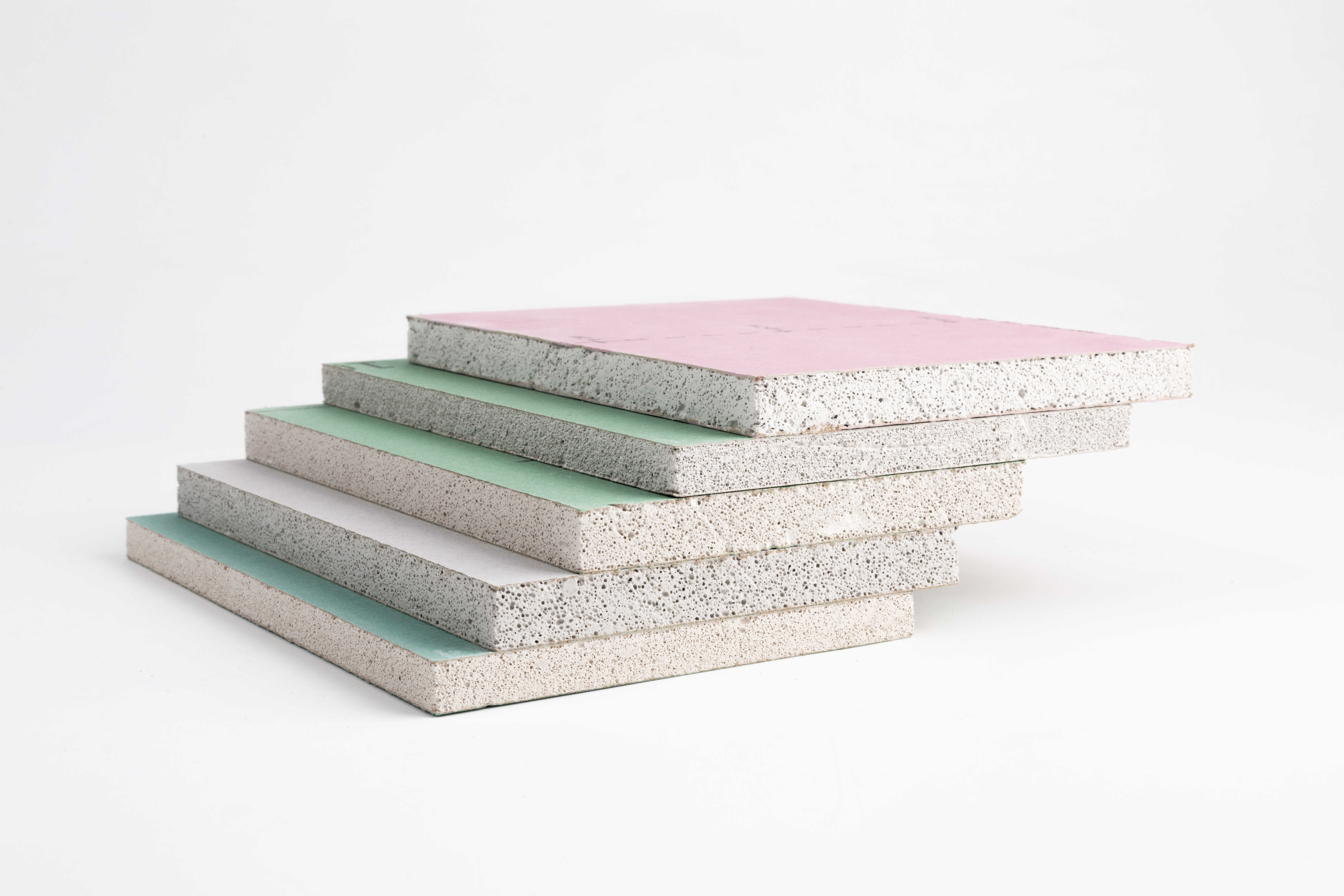
The application of waterproof drywall in swimming pool facilities goes far beyond basic wall construction. Facility managers and architects recognize that investing in high-quality waterproof drywall significantly reduces maintenance costs, prevents costly water damage repairs, and ensures a safe, healthy environment for swimmers. This comprehensive guide explores how waterproof drywall performs in indoor swimming complexes and why it remains essential for modern pool design.
Understanding Waterproof Drywall Performance in Pool Environments
Core Characteristics of Waterproof Drywall
Waterproof drywall differs fundamentally from standard drywall in its composition and treatment. The gypsum core is formulated with water-resistant additives that repel moisture rather than absorb it. Waterproof drywall boards feature a non-paper face and back covering, typically made from fiberglass mesh or specialized moisture-barrier materials. This construction prevents the paper breakdown that occurs with conventional drywall when exposed to humidity and water spray.
The density and composition of waterproof drywall make it significantly more durable in high-moisture zones. When properly installed, waterproof drywall maintains its structural properties even when exposed to 100% relative humidity levels common in indoor swimming facilities. The material resists mold and mildew proliferation, which protects both the wall assembly and the indoor air quality that swimmers depend upon.
Water Absorption and Durability Advantages
Standard drywall can absorb moisture within minutes of exposure to water or sustained humidity. Waterproof drywall, by contrast, maintains its integrity for extended periods under wet conditions. Testing standards for waterproof drywall include immersion trials and humidity cycling that simulate real pool conditions. The result is a material proven to resist water damage, warping, and strength loss over decades of service.
Facility operators benefit from reduced replacement cycles when waterproof drywall is used throughout pool complexes. The long-term cost savings justify the initial material investment. Waterproof drywall maintains dimensional stability, preventing the wall movement and buckling that compromises sealants, tile installations, and structural alignment in pools.
Installation Best Practices for Waterproof Drywall
Preparation and Framing Requirements
Installing waterproof drywall in swimming pool areas requires meticulous attention to framing and substrate preparation. The underlying framing must be treated to resist moisture-related rot and decay. Stud spacing, fastener selection, and vapor barrier installation all influence how well waterproof drywall performs long-term. Professional installers typically space fasteners closer than standard drywall installation to prevent edge separation and water infiltration at joint locations.
Waterproof drywall should never be installed directly against concrete or masonry in pool environments without proper substrate preparation. A moisture barrier or drainage plane must be established first to prevent water from migrating behind the waterproof drywall. This critical step prevents hidden moisture accumulation that leads to mold growth and structural failure despite the waterproof drywall itself remaining intact.
Joint Treatment and Finishing Techniques
Joints represent the most vulnerable points in any waterproof drywall installation. Sealing joints with specialized waterproof joint compound and mesh tape creates a continuous moisture barrier. The waterproof drywall system is only as effective as its weakest joint, so tape overlap, compound thickness, and curing time all demand careful control. Multiple coats of waterproof compound ensure joints achieve the same moisture resistance as the waterproof drywall itself.
Finishing waterproof drywall for pool areas typically includes additional protection beyond standard joint treatment. Waterproof primer and paint systems are applied over waterproof drywall to create a complete moisture envelope. Ceramic tile or other moisture-impermeable finishes are often installed over waterproof drywall in direct splash zones. This layered approach maximizes the durability and performance of waterproof drywall in the harshest pool environment conditions.
Critical Applications Throughout Swimming Complexes
Changing Rooms and Shower Areas
Changing rooms and shower facilities within swimming complexes experience water spray, high humidity, and direct water exposure. Waterproof drywall is essential in these zones where moisture levels exceed those in typical bathroom applications. The constant water exposure in shower enclosures demands that waterproof drywall be installed with proper flashing and sealant systems. Waterproof drywall protects the structural framing behind shower walls and prevents water damage that would compromise facility integrity.
Installing waterproof drywall in shower rooms requires special attention to corner details and edges. All perimeter joints where waterproof drywall meets fixed components must be sealed with flexible, water-resistant sealants. The waterproof drywall should extend sufficiently behind fixtures to ensure complete moisture protection. Proper waterproof drywall installation in shower areas prevents leaks that damage floors, subflooring, and support structures below.
Pool Deck and Deck Surrounding Areas
Pool decks and surrounding wall systems endure splash, humidity, and periodic direct water exposure from swimming activities. Waterproof drywall installed on pool decks must handle water runoff and sustained moisture conditions. The material resists the corrosive effects of chlorine and pool chemicals that can degrade standard materials. Waterproof drywall on pool decks maintains structural integrity despite these chemical exposures and moisture conditions.
Interior walls and dividers in pool deck areas benefit significantly from waterproof drywall specification. These walls separate different pool zones while being exposed to similar environmental conditions. Waterproof drywall allows facility designs that incorporate permanent wall systems without fear of moisture-related failure. Maintenance requirements remain minimal when quality waterproof drywall is properly installed and finished in these high-moisture environments.
Mechanical Spaces and HVAC Rooms
Mechanical spaces in swimming complexes experience elevated humidity even when separated from the pool area itself. Dehumidification systems struggle to maintain dry conditions in these spaces during peak pool usage. Waterproof drywall in mechanical rooms and equipment spaces protects electrical systems, mechanical components, and controls from moisture damage. The waterproof drywall extends the lifespan of expensive equipment by preventing corrosion and moisture-related failures.
Installing waterproof drywall in mechanical spaces prevents rust on metal studs and fasteners that support piping and equipment. Waterproof drywall also resists the condensation that forms on cold surfaces in humid environments. This protection is especially critical in mechanical rooms where temperature differentials create conditions that promote condensation formation. Waterproof drywall maintains structural performance despite these challenging environmental conditions common in swimming complex mechanical spaces.
Maintenance and Long-Term Performance Monitoring
Regular Inspection Protocols
Establishing inspection schedules ensures waterproof drywall installations perform optimally throughout their service life. Facility managers should periodically inspect waterproof drywall surfaces for signs of water penetration, staining, or mold growth. Early detection of joint failures or sealant separation allows corrective action before waterproof drywall integrity is compromised. Regular inspection prevents small problems from escalating into major repairs requiring waterproof drywall replacement.
Visual inspection should target joint locations, seams, penetrations, and areas where waterproof drywall meets other materials. Discoloration or soft spots in waterproof drywall surfaces may indicate hidden moisture problems behind the finish layer. Testing moisture content with specialized instruments helps confirm whether waterproof drywall is maintaining its protective function. Documentation of inspection results creates a performance history that guides maintenance decisions and capital planning.
Repair and Refurbishment Strategies
Minor damage to waterproof drywall surfaces can typically be repaired with specialized patching compounds designed for pool environments. Larger damaged sections require removal and replacement with new waterproof drywall. Experienced contractors understand that waterproof drywall repairs must use materials and techniques that maintain the original moisture barrier integrity. Partial repairs that fail to restore full waterproof performance compromise the entire installation over time.
Facility refurbishment projects often include waterproof drywall upgrades in aging swimming complexes. Replacing older standard drywall with modern waterproof drywall systems improves facility performance and extends structural lifespan. waterproof drywall replacement during refurbishment allows facility operators to incorporate current best practices in joint treatment, finishing systems, and moisture control. This comprehensive approach to waterproof drywall upgrades maximizes the benefits of facility modernization investments.
FAQ
Can waterproof drywall completely eliminate mold and moisture problems in swimming pools?
Waterproof drywall significantly reduces mold and moisture risks, but it must be combined with proper ventilation, dehumidification, and waterproof sealants to eliminate these problems entirely. Waterproof drywall prevents moisture absorption into the wall assembly itself, but condensation, leaks from plumbing or structural cracks, or inadequate HVAC design can still create moisture issues. Waterproof drywall performs best as part of a comprehensive moisture control strategy that includes proper drainage, ventilation, and maintenance practices.
How long does waterproof drywall typically last in indoor swimming complexes?
Quality waterproof drywall installations can last 20 to 30 years or longer in properly maintained swimming pool facilities. The lifespan depends on installation quality, maintenance frequency, and how well ventilation and dehumidification systems control humidity levels. Waterproof drywall exposed to direct water spray may require earlier finish system replacement, though the waterproof drywall itself continues protecting the wall assembly. Regular inspections help maximize waterproof drywall lifespan and identify maintenance needs before they compromise facility integrity.
What makes waterproof drywall different from moisture-resistant drywall used in bathrooms?
Waterproof drywall is formulated and treated more extensively than standard moisture-resistant drywall for bathroom applications. Waterproof drywall can withstand sustained immersion and constant high humidity levels that would degrade bathroom-grade moisture-resistant products. The fiberglass facing and reinforced core of waterproof drywall provide superior durability compared to paper-faced moisture-resistant drywall. Pool facility environments demand waterproof drywall specifically because humidity and water exposure levels far exceed what bathroom-grade materials are designed to handle.