
 EN




Kitchen renovations demand materials that withstand constant moisture exposure, humidity fluctuations, and daily water contact. Waterproof drywall has become the industry standard for residential and commercial kitchen projects, replacing traditional gypsum board in wet areas. Unlike conventional drywall, waterproof drywall resists moisture absorption, mold growth, and structural degradation, making it the smart choice for kitchen walls and ceilings where traditional materials would fail.
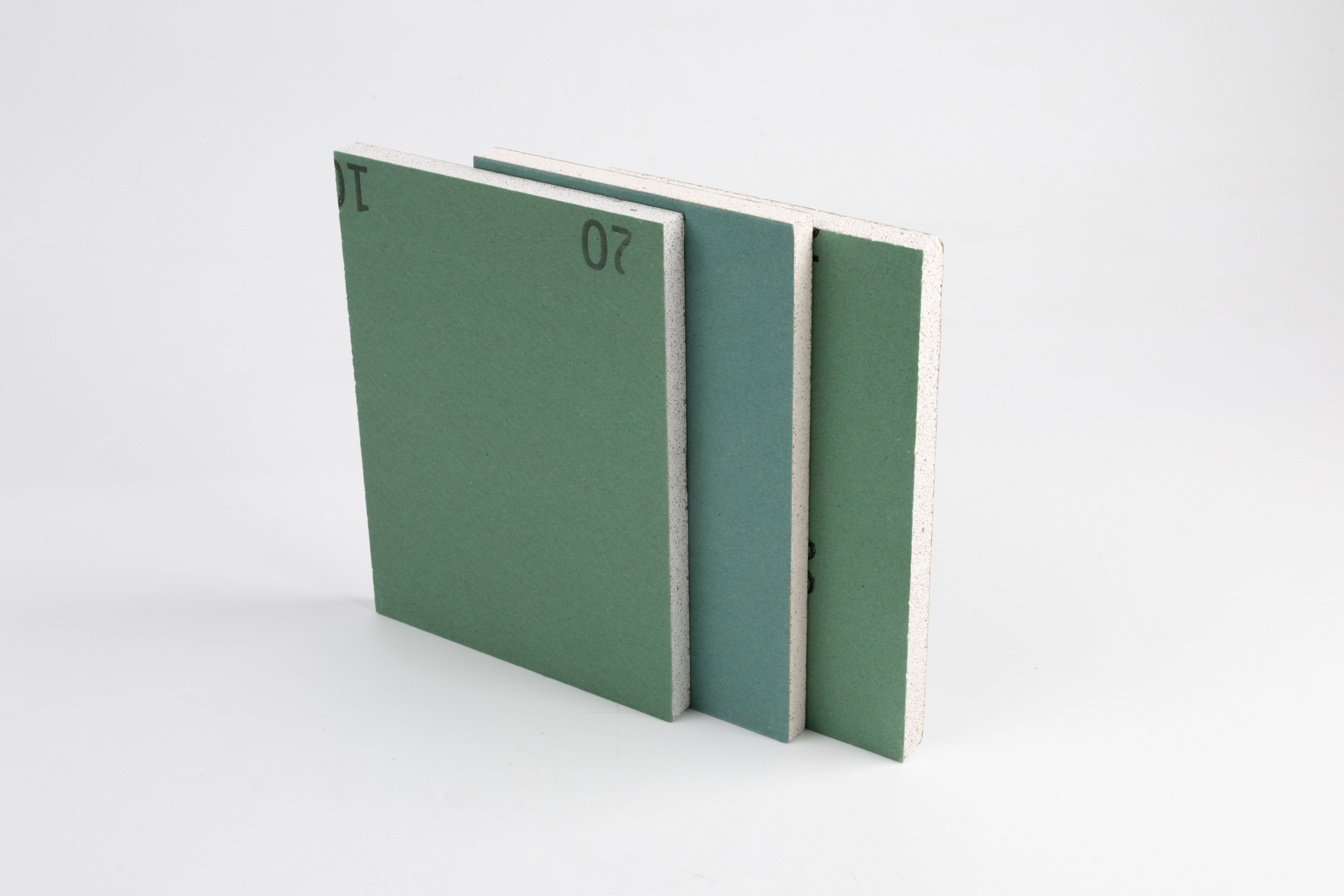
Sourcing waterproof drywall through wholesale suppliers ensures you get premium materials at competitive prices while maintaining consistent quality across large-scale kitchen renovation projects. Wholesale waterproof drywall options offer contractors, builders, and renovation businesses the volume pricing and product reliability needed to complete projects on schedule and within budget.
Understanding Waterproof Drywall for Kitchen Applications
What Makes Waterproof Drywall Different
Waterproof drywall differs fundamentally from standard drywall in its core composition and manufacturing process. The gypsum core of waterproof drywall is treated with advanced moisture-resistant compounds and wrapped in silicone-coated paper that repels water penetration. This specialized construction prevents the gypsum core from absorbing moisture, which would otherwise weaken the board and create conditions favorable for mold and mildew growth. When selecting waterproof drywall for your kitchen renovation supply, understanding these structural differences helps you appreciate why this material commands a premium price and delivers superior long-term performance in wet environments.
Performance Advantages in Kitchen Environments
Kitchen environments present unique challenges that waterproof drywall addresses directly. Steam from cooking, splashing from sinks, and humidity from dishwashers create a relentless moisture assault on wall materials. Waterproof drywall maintains its structural integrity under these conditions, resisting warping, sagging, and the paint failures that plague standard drywall in kitchens. The moisture-resistant properties of waterproof drywall also extend the lifespan of paint finishes, caulking, and wall treatments, reducing maintenance costs over time. Contractors who specify waterproof drywall for kitchen projects report fewer callbacks, lower warranty claims, and increased customer satisfaction compared to projects using conventional materials.
Wholesale Sourcing and Supply Chain Considerations
Volume Pricing and Bulk Purchase Benefits
Wholesale waterproof drywall suppliers provide significant cost advantages for contractors and builders purchasing in volume. Buying waterproof drywall through established wholesale channels reduces per-unit costs, improves project profitability, and allows builders to maintain consistent material specifications across multiple kitchen renovation jobs. Wholesale waterproof drywall pricing typically reflects bulk discounts that increase proportionally with order size, making it economical to stock waterproof drywall for ongoing renovation operations. Many wholesale distributors also offer flexible payment terms, just-in-time delivery scheduling, and technical support that streamline project planning and material management. When evaluating waterproof drywall wholesale options, comparing unit pricing, shipping costs, and minimum order quantities ensures you achieve maximum value while maintaining material availability.
Specification Compliance and Quality Assurance
Professional kitchen renovation projects require waterproof drywall that meets established industry standards and building codes. Reputable waterproof drywall wholesale suppliers provide documentation confirming fire ratings, moisture resistance ratings, and compliance with relevant construction standards. Verifying that waterproof drywall products carry appropriate certifications protects your projects from code violations and ensures long-term durability. Wholesale suppliers specializing in waterproof drywall typically maintain consistent quality control, batch testing, and traceability systems that support professional contractor requirements. Establishing relationships with reliable waterproof drywall wholesale providers gives you confidence that materials will perform as specified and that your kitchen renovation projects will meet building inspector approval and client expectations.
Installation Best Practices for Waterproof Drywall
Proper Fastening and Finishing Techniques
Installing waterproof drywall requires attention to detail that differs slightly from standard drywall installation. All fasteners penetrating waterproof drywall should be sealed with waterproof compound to prevent moisture from entering through screw or nail holes. Joint taping and mudding must use waterproof joint compound rather than standard drywall mud to maintain the moisture barrier integrity of waterproof drywall. Proper waterproof drywall installation extends beyond material selection to encompass complete system design, including vapor barriers, ventilation provisions, and caulking strategies. Professional installers understand that waterproof drywall performs optimally only when installed as part of a comprehensive moisture-management strategy that includes adequate ventilation and proper substrate preparation.
Maintenance and Long-Term Performance
Waterproof drywall kitchen walls maintain their performance when basic maintenance practices are followed consistently. Regular inspection for visible damage, prompt caulk repair at corners and transitions, and adequate range hood ventilation preserve the protective properties of waterproof drywall. Unlike standard drywall, waterproof drywall can tolerate occasional splashing and minor water contact without degradation, but chronic standing water or inadequate ventilation will compromise even premium waterproof drywall materials. Kitchen renovations incorporating waterproof drywall typically require less maintenance than projects using standard materials, translating to lower lifecycle costs and fewer emergency repairs. Educating homeowners and building managers about proper ventilation and cleaning practices maximizes the lifespan and performance advantages that waterproof drywall provides in kitchen environments.
FAQ
Can waterproof drywall be used in other areas besides kitchens?
Yes, waterproof drywall is suitable for bathrooms, laundry rooms, basements, and any interior space exposed to moisture. The same moisture-resistant properties that protect kitchen walls from steam and splashing also work in bathrooms around tubs and showers, in basements prone to humidity, and in utility areas subject to water exposure. Waterproof drywall serves as a foundation material for these applications, though complete waterproofing systems typically require additional membranes and proper ventilation design for spaces with extreme moisture conditions.
How does waterproof drywall compare to tile or cement board alternatives?
Waterproof drywall offers different advantages than tile or cement board, serving different functional roles in kitchen design. While tile provides a finished, cleanable surface suitable for active splash zones, waterproof drywall offers a base material for painted finishes and a cost-effective solution for general kitchen walls. Cement board serves similar moisture-resistant functions but lacks the ease of finish application and aesthetic versatility of waterproof drywall. Many kitchen designs combine all three materials, using waterproof drywall for general walls, cement board in high-splash areas, and tile in backsplash or accent zones.
What should I look for when buying waterproof drywall wholesale?
When purchasing waterproof drywall wholesale, verify that products meet applicable building codes and industry standards, compare unit pricing across suppliers, confirm delivery timelines and logistics arrangements, and review warranty provisions. Request documentation of moisture resistance ratings, fire performance certifications, and batch testing results. Establish clear communication with your waterproof drywall wholesale supplier regarding specifications, delivery schedules, and technical support to ensure materials meet your project requirements and installation timelines.