
 EN



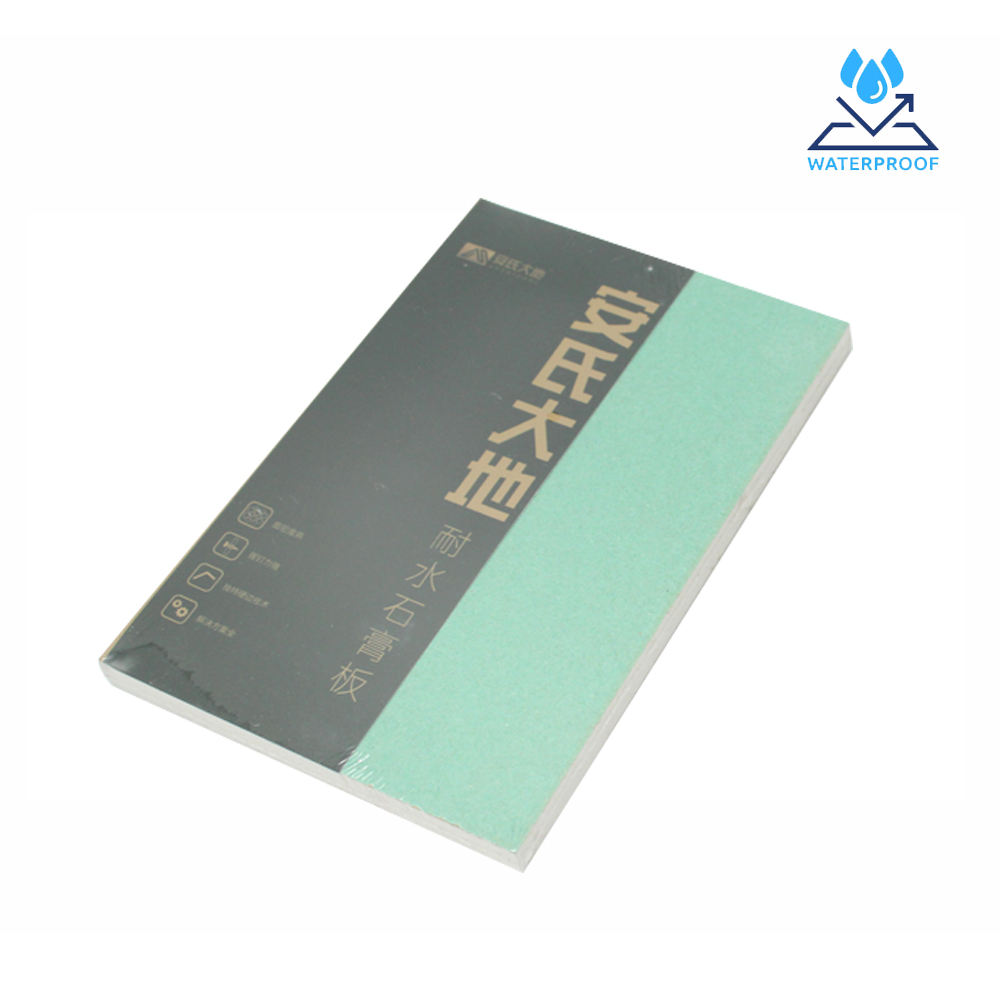
High-moisture environments pose significant challenges to conventional building materials, particularly in areas where water exposure is constant or intermittent. Waterproof drywall has emerged as a critical solution for protecting structural integrity and extending building lifespan in bathrooms, kitchens, basements, and other damp spaces. Unlike standard gypsum board, waterproof drywall incorporates specialized moisture-resistant core formulations and treated surfaces that prevent water absorption and mold proliferation, making it essential for modern construction in wet areas.
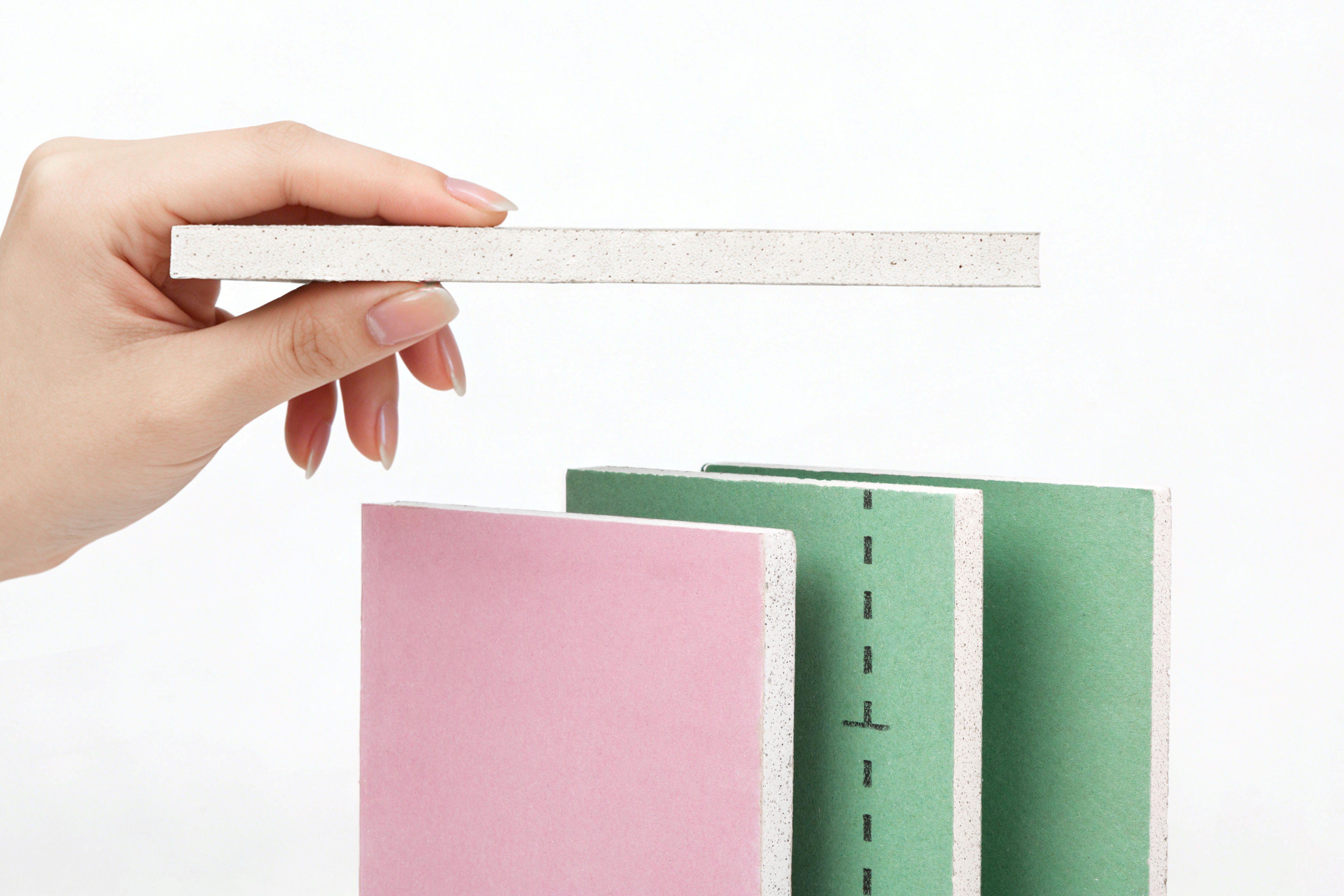
Understanding the structural advantages of waterproof drywall is crucial for construction professionals, property managers, and homeowners making long-term building decisions. Waterproof drywall maintains its dimensional stability and load-bearing capacity even when exposed to moisture fluctuations, preventing the warping, softening, and degradation that compromises standard drywall. This article examines how waterproof drywall preserves structural longevity, explores practical application scenarios, and addresses implementation considerations for high-moisture construction projects.
How Waterproof Drywall Resists Moisture and Protects Structural Integrity
Core Material Composition and Moisture Barriers
Waterproof drywall differs fundamentally from conventional drywall in its internal composition and surface treatment. The gypsum core of waterproof drywall is formulated with hydrophobic additives and polymer-based binders that repel water molecules rather than absorbing them like standard gypsum. Waterproof drywall manufacturers apply specialized moisture barriers, often silicone-based or latex-enhanced coatings, to both facing and back surfaces, creating a multi-layer protection system that actively resists water ingress.
This protective design means waterproof drywall maintains its structural rigidity and mechanical properties even in environments with high humidity, splash zones, or direct water contact. The material resists swelling, delamination, and biological degradation that would compromise standard drywall within weeks of exposure. Waterproof drywall preserves the integrity of framing systems, fastener connections, and wall assemblies by preventing the moisture-driven expansion and contraction cycles that weaken structural joints and cause material failure.
Prevention of Mold and Biological Degradation
Mold growth represents one of the most damaging long-term consequences of moisture exposure in building materials. Standard drywall provides an ideal substrate for mold colonies because its cellulose-based paper facing and porous gypsum core absorb moisture and retain it, creating persistent damp conditions. Waterproof drywall eliminates this risk through its non-absorptive surface and antimicrobial treatments that inhibit fungal and bacterial colonization, even when exposed to condensation or periodic wetting.
By preventing mold establishment, waterproof drywall maintains both structural soundness and indoor air quality over decades of use. Buildings constructed with waterproof drywall avoid the costly remediation, material replacement, and health-related issues associated with mold-damaged walls. The longevity advantage of waterproof drywall becomes especially significant in naturally humid climates or in buildings with inadequate ventilation, where mold pressure is persistent and conventional materials fail within 3–5 years of installation.
Structural Performance and Durability Benchmarks in High-Moisture Applications
Load-Bearing Stability and Dimensional Consistency
Structural longevity depends directly on a material's ability to maintain dimensional stability and load-bearing capacity under environmental stress. Waterproof drywall demonstrates significantly greater stability than standard drywall when exposed to humidity cycling and temperature variations. Laboratory testing shows that waterproof drywall retains 85–95% of its original compressive strength after prolonged moisture exposure, whereas standard drywall experiences strength loss exceeding 40% under equivalent conditions.
This performance differential translates into tangible building longevity. Waterproof drywall prevents the sagging, nail pops, and surface warping that plague conventionally-installed drywall in bathrooms and kitchens. The material's resistance to dimensional change means fasteners remain tight, joint compounds maintain adhesion, and wall surfaces stay flat and true throughout the building's service life. Waterproof drywall thus preserves not only material integrity but also the performance of the entire wall assembly, including framing, mechanical systems, and finish treatments dependent on dimensional stability.
Fire and Impact Resistance in Damp Conditions
Many building codes require drywall to maintain fire-resistance ratings in high-occupancy or commercial spaces, even in moisture-exposed areas. Standard drywall loses fire-protective properties as its gypsum core becomes saturated, since the water content prevents the crystalline water release mechanism that provides fire protection. Waterproof drywall maintains code-compliant fire ratings in high-moisture environments because its hydrophobic core resists water saturation, preserving the material's ability to release bound water and cool flames during fire exposure.
Additionally, waterproof drywall maintains greater impact resistance in wet conditions. When standard drywall absorbs moisture, it becomes brittle and prone to cracking and damage from minor impacts. Waterproof drywall retains flexibility and impact resistance throughout its service life, reducing maintenance costs and replacement frequency in active environments like commercial kitchens, locker rooms, and healthcare facilities. This resilience contributes to overall structural longevity by reducing damage events that compromise material integrity and create pathways for additional moisture intrusion.
Application Scenarios and Installation Best Practices for Extended Longevity
High-Moisture Zones Where Waterproof Drywall Delivers Maximum Value
Waterproof drywall serves critical functions in specific building zones where conventional materials consistently fail. Bathroom walls, particularly shower enclosures and areas within 5 feet of water fixtures, represent the primary application for waterproof drywall because of direct water exposure and high humidity saturation. Waterproof drywall in kitchens protects wall areas adjacent to sinks, dishwashers, and cooking appliances where splash, steam, and humidity are constant factors affecting structural stability.
Basement and below-grade spaces benefit substantially from waterproof drywall installation because groundwater seepage, condensation, and seasonal moisture fluctuations are unavoidable. Waterproof drywall also extends longevity in laundry rooms, swimming pool areas, commercial food preparation spaces, and healthcare facilities where humidity and moisture exposure exceed typical indoor environments. Choosing waterproof drywall for these applications rather than attempting to manage standard drywall failure through repeated replacement cycles provides superior long-term value and structural protection.
Complementary Moisture Management and Installation Techniques
Waterproof drywall performs optimally when integrated into a comprehensive moisture management strategy that includes proper ventilation, vapor barriers, and drainage design. Installing waterproof drywall without addressing air sealing, ventilation deficiencies, or bulk water intrusion pathways will not achieve maximum longevity because moisture sources remain uncontrolled. Effective installation practices include sealing all penetrations and fastener holes with moisture-resistant sealants, taping and finishing joints with waterproof compounds, and installing vapor barriers behind waterproof drywall in conditions where vapor drive is directional.
Building code compliance and manufacturer guidance must inform every aspect of waterproof drywall installation. Professional installation ensures that the material's moisture resistance is fully realized and that mechanical attachment methods do not compromise the protective membrane. Maintenance considerations include regular inspection for physical damage that might breach the waterproof barrier and prompt repair of any gaps or breaches to preserve long-term structural protection. When properly installed and maintained, waterproof drywall provides decades of reliable service in high-moisture environments where standard materials would require replacement multiple times.
FAQ
How long does waterproof drywall typically last in high-moisture areas?
Waterproof drywall can last 20–30 years or more in properly managed high-moisture environments, compared to 3–7 years for standard drywall in equivalent conditions. Longevity depends on installation quality, ventilation adequacy, maintenance practices, and whether bulk water intrusion occurs. Regular inspection and prompt repair of any physical damage extend the service life of waterproof drywall by preventing moisture pathways from developing.
Does waterproof drywall require specialized finishing and paint products?
Waterproof drywall should be finished with moisture-resistant joint compounds and primers designed for damp environments, though standard drywall paints may be applied once finishing is complete. Using standard joint compounds or primers specifically not rated for moisture exposure undermines the longevity benefits of waterproof drywall by introducing moisture-absorbing materials into the wall assembly. Always follow manufacturer recommendations for finishing and paint products compatible with waterproof drywall applications.
Can waterproof drywall replace proper waterproofing membranes in shower enclosures?
Waterproof drywall significantly improves durability compared to standard drywall but should not be considered a substitute for dedicated waterproofing membranes in direct spray zones or shower surrounds. Code-compliant shower installations require water-resistant backing boards or proper membrane systems behind tile and finish materials. Waterproof drywall serves effectively as an interior-layer protection system in areas with high humidity and splash potential, but professional waterproofing design must address direct water containment and drainage.