
 EN



Sourcing fire rated steel keel for public building projects requires careful attention to regulatory compliance, material specifications, and vendor reliability. A metal stud forms the backbone of modern commercial and institutional construction, and when fire rating requirements apply, the selection process becomes even more critical. Public buildings such as schools, hospitals, government offices, and libraries face stringent fire safety codes that demand materials meeting specific fire resistance standards. Understanding how to properly source a metal stud that meets these requirements is essential for project managers, architects, and construction professionals tasked with ensuring both safety and regulatory compliance.
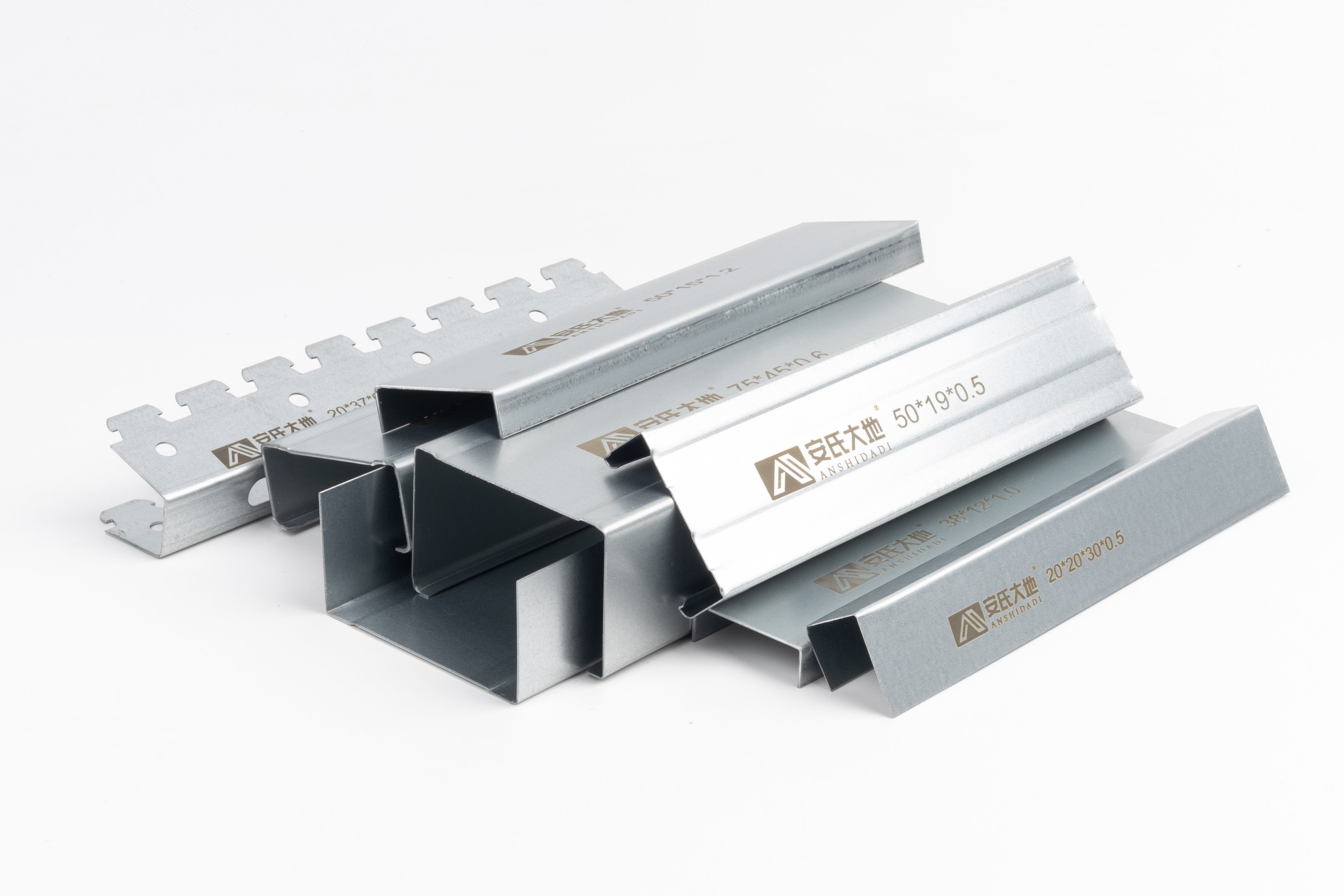
Fire rated steel keel represents a specialized category of structural framing material designed to maintain its integrity and load-bearing capacity during extreme heat exposure. When building officials review plans for public facilities, they specifically look for documentation proving that every metal stud component meets fire rating classifications such as UL listings or FM approvals. The sourcing decision directly impacts project timelines, budget allocation, and final building code compliance, making vendor selection and material verification fundamental to success.
Understanding Fire Rated Metal Stud Specifications
Fire Rating Classifications and Standards
Fire rated metal stud products are classified by their ability to withstand fire exposure for specified time periods, typically ranging from one to four hours. These classifications follow national standards including ASTM E119 or UL fire test protocols that measure how a metal stud maintains its structural properties when exposed to standard fire conditions. A metal stud used in public buildings must carry an official fire rating designation from a recognized testing laboratory, and this designation must align with the building code requirements for your specific project type and occupancy classification.
Material Composition and Gauge Requirements
Fire rated steel keel sourcing involves selecting the correct metal stud gauge and protective coatings that enhance fire resistance. The base metal stud thickness, measured in gauge, determines structural capacity, while fire-protective coatings or boarding systems applied to the metal stud create the rated assembly. When sourcing fire rated steel keel for public buildings, you must verify that the metal stud gauge matches engineering calculations and that any protective layers meet the tested assembly specifications. Mixing a metal stud gauge or substituting fire protection materials without re-testing the assembly can invalidate the fire rating and create serious compliance problems.
Vendor Selection and Sourcing Best Practices
Evaluating Supplier Credentials and Inventory
Sourcing fire rated steel keel begins with identifying suppliers who specialize in code-compliant framing materials and maintain current stock of a metal stud products certified for public building use. Reputable vendors maintain relationships with testing laboratories and can provide documentation proving their metal stud inventory meets fire rating requirements. Request certifications, material test reports, and proof of UL or FM listing for any metal stud product before placing orders. A reliable supplier will have detailed technical specifications readily available and can explain how their metal stud products perform in fire-rated assembly configurations.
Documentation and Traceability Requirements
Public building projects demand comprehensive documentation demonstrating that every metal stud component came from verified, compliant sources. When sourcing fire rated steel keel, collect mill certificates, fire rating test reports, and batch traceability information for the metal stud materials entering your project. Building inspectors will expect to see this documentation during construction phases, and having a metal stud chain of custody from supplier through installation prevents costly delays or rejection of materials. Establish supplier agreements that include provisions for providing documentation at any stage of construction.
Installation and Compliance Integration
Fire Rated Assembly Configuration
Fire rated steel keel installations for public buildings must follow the exact assembly specifications tested and listed by the fire testing laboratory. The metal stud represents one component within a rated system that typically includes fire-protective board, joint compound, and fastener specifications all working together. When your construction team receives the sourced fire rated steel keel and metal stud materials, installation crews must follow the tested assembly drawings precisely, as any deviation from the tested configuration can compromise the fire rating. Verify that on-site installation supervisors understand how the metal stud integrates into the complete fire-rated wall, ceiling, or partition assembly.
Inspection and Quality Assurance
Quality assurance during installation of fire rated steel keel begins with visual inspection of the sourced metal stud upon delivery to confirm correct gauge, dimensions, and absence of damage. A metal stud that has been bent, dented, or otherwise compromised during shipping may not perform as intended in the fire-rated assembly. Implement a receiving inspection protocol that verifies a metal stud matches purchase order specifications and the applicable fire rating documentation. Throughout construction, spot-check installations to confirm that crews are securing the metal stud at the spacings specified in the tested assembly, as this directly affects fire resistance performance.
FAQ
What fire rating standard applies to metal stud framing in public buildings?
Public building codes typically reference ASTM E119 or UL fire test standards to classify the fire resistance of metal stud assemblies. Your specific fire rating requirement depends on occupancy type, story height, and building code jurisdiction, so always consult the applicable code official and project specifications before sourcing a metal stud. Most public buildings require fire ratings between one and two hours for interior partition walls using metal stud framing, though some high-rise and special occupancy buildings may demand higher ratings.
Can I substitute a metal stud gauge if the fire rating is the same?
No, substituting a metal stud gauge without retesting the complete assembly invalidates the fire rating certification. Fire testing laboratories test specific combinations of metal stud thickness, protective board type, fastener spacing, and other variables to establish a particular fire rating. If you change the metal stud gauge, you must obtain written approval from the testing laboratory or engineer, and the assembly may require re-testing to confirm the fire rating remains valid. Always verify gauge specifications against the tested assembly documentation before sourcing and installing the metal stud.
How do I ensure sourced metal stud materials comply with public building codes?
Request that your metal stud supplier provide official UL or FM listing documentation, fire test reports, and certification that products meet ASTM standards applicable to your jurisdiction. Coordinate with your project architect or engineer to confirm the metal stud fire rating requirement, then compare supplier documentation against those requirements before purchasing. Include compliance verification language in purchase agreements specifying that all metal stud materials must be delivered with complete fire rating documentation and must match the tested assembly specifications exactly.