
 EN


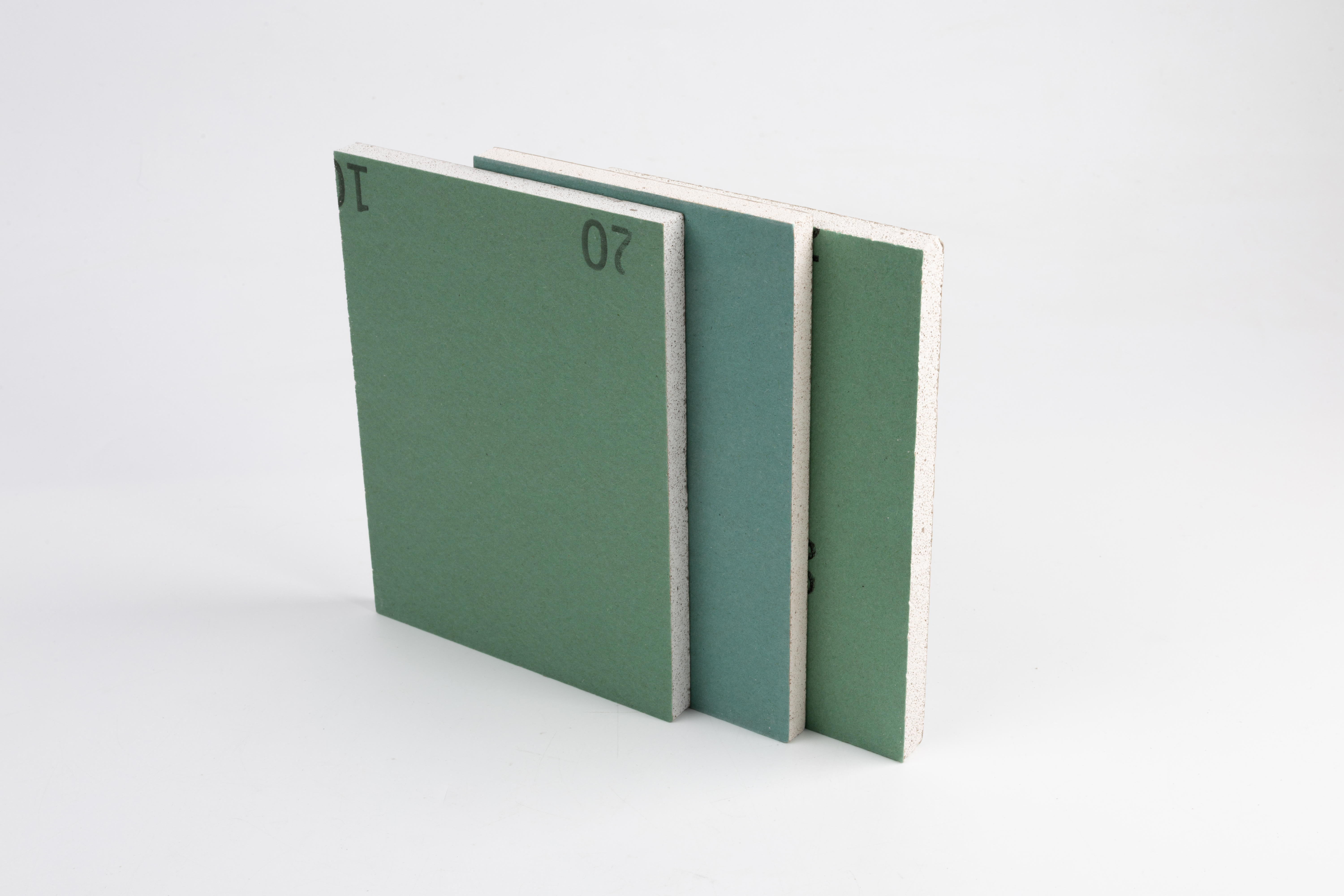
Moisture resistant gypsum board has become essential for modern interior construction, particularly in spaces exposed to humidity fluctuations and moisture challenges. Unlike standard gypsum board, this specialized material incorporates moisture-resistant core technology that prevents degradation, mold growth, and structural compromise in bathrooms, kitchens, basements, and other high-moisture environments. Factory-supplied moisture resistant gypsum board meets strict industry standards and provides builders, contractors, and facility managers with reliable protection for long-term interior durability.
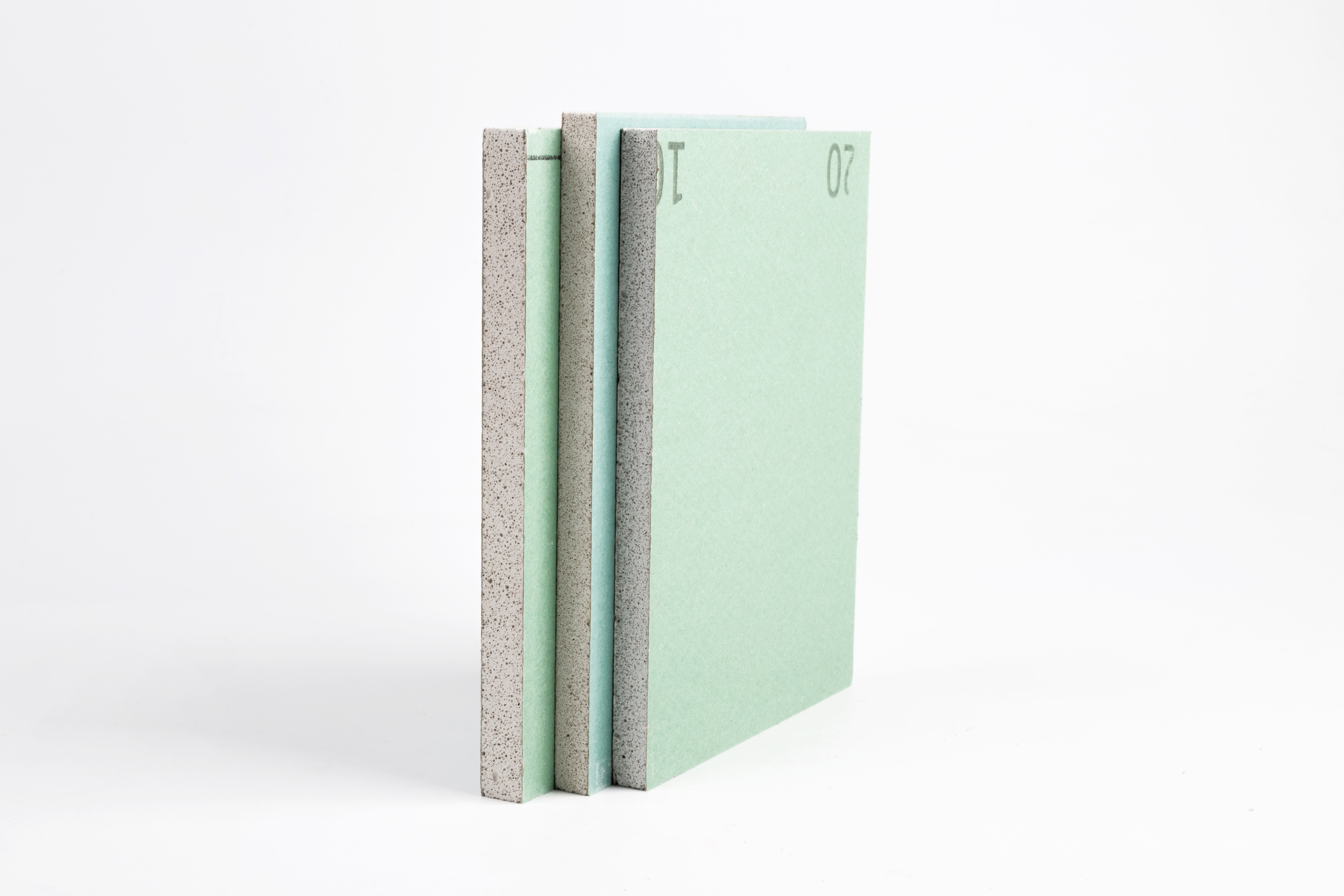
The demand for moisture resistant gypsum board continues to grow as building codes become stricter and property owners recognize the financial impact of water damage. Factory supply chains now prioritize quality assurance, ensuring each sheet of gypsum board meets performance criteria before installation. This article explores how moisture resistant gypsum board enhances interior spaces, its technical composition, selection considerations, and practical applications across residential and commercial projects.
Understanding Moisture Resistant Gypsum Board Composition
Core Material and Manufacturing Process
Moisture resistant gypsum board differs fundamentally from standard drywall in its core formulation and manufacturing approach. The gypsum board core contains silica compounds and other additives that repel water molecules, preventing absorption that leads to softening and failure. Factory production involves precise moisture content control, ensuring the gypsum board exits the manufacturing facility at optimal dryness levels. Modern gypsum board facilities use automated testing equipment to verify core density, tensile strength, and water resistance before packaging and shipment.
Surface and Paper Coating Systems
The face and back papers of moisture resistant gypsum board receive special treatment to enhance water repellency beyond the core protection. Factory-applied coatings contain wax emulsions and polymer additives that create hydrophobic barriers on both sides of the gypsum board sheet. This dual-layer protection in factory-finished gypsum board ensures moisture cannot penetrate through paper joints, fastener holes, or edge contact points. Premium gypsum board products feature antimicrobial additives within the paper itself, providing long-term mold and mildew resistance even when the board experiences periodic moisture exposure.
Performance Benefits of Factory-Supplied Moisture Resistant Gypsum Board
Durability and Structural Integrity
Factory-manufactured gypsum board designed for moisture resistance maintains structural integrity far longer than standard alternatives when exposed to humid indoor conditions. Bathrooms, laundry rooms, and kitchen walls constructed with moisture resistant gypsum board resist warping, sagging, and dimensional changes that occur when moisture penetrates conventional drywall. The gypsum board core remains stable even when relative humidity levels fluctuate between 50% and 95%, common ranges in high-moisture interior spaces. This stability translates to fewer callbacks, reduced repair costs, and improved customer satisfaction for construction professionals and property managers.
Mold and Moisture Damage Prevention
Mold growth represents a significant concern in moisture-prone interiors, creating health hazards and aesthetic problems that develop rapidly within conventional drywall. Moisture resistant gypsum board inhibits mold colonization by denying moisture access to cellulose fibers where mold typically thrives. Factory testing of gypsum board samples confirms that properly specified moisture-resistant products dramatically reduce mold occurrence compared to standard gypsum board in identical environmental conditions. When installed correctly with appropriate ventilation and moisture management practices, gypsum board featuring moisture resistance provides years of dependable performance without deterioration or biological contamination.
Application Guidelines and Selection Factors for Moisture Resistant Gypsum Board
Critical Interior Spaces Requiring Moisture Resistant Gypsum Board
Bathrooms remain the primary application for moisture resistant gypsum board, requiring water-resistant protection behind tile, shower enclosures, and around tub perimeters. Kitchen soffits, soffit areas above dishwashers, and walls adjacent to commercial cooking equipment benefit substantially from gypsum board featuring moisture resistance. Basements with humidity control systems and crawl spaces exposed to seasonal moisture fluctuations require moisture resistant gypsum board to prevent mold and structural degradation. Laundry rooms, indoor swimming pool areas, and manufacturing facilities with high humidity levels all demand gypsum board specifications that include moisture resistance as a core requirement.
Installation and Maintenance Best Practices
Proper installation of moisture resistant gypsum board begins with selecting fasteners, joint compounds, and tapes specifically formulated for moisture-prone environments. Factory-supplied gypsum board documentation includes detailed installation guidelines that address fastener spacing, sealing requirements, and surface finish recommendations. All joints, fastener heads, and penetrations must receive moisture-resistant joint compound and fiber-reinforced tape to maintain the continuous moisture barrier created by the gypsum board itself. Ventilation systems, exhaust fans, and proper air circulation complement the performance of moisture resistant gypsum board by reducing ambient humidity and preventing condensation accumulation on interior surfaces.
FAQ
What makes moisture resistant gypsum board different from regular drywall?
Moisture resistant gypsum board incorporates water-repellent core materials, special paper coatings, and additives that prevent moisture absorption and mold growth. Factory-produced gypsum board with moisture resistance can withstand humidity exposure that would quickly deteriorate standard drywall, making it essential for bathrooms, kitchens, and other high-moisture interior spaces. The manufacturing process ensures consistent performance, whereas conventional gypsum board lacks these protective features entirely.
How long does moisture resistant gypsum board typically last in humid environments?
Quality moisture resistant gypsum board, when properly installed and maintained with adequate ventilation, typically performs reliably for 15 to 20 years or longer in standard bathroom and kitchen environments. Proper installation practices, including moisture-resistant joint compounds, sealed fasteners, and maintained exhaust ventilation, significantly extend the service life of gypsum board in moisture-prone interiors. Regular cleaning and moisture control measures help preserve the integrity of gypsum board throughout its operational lifespan.
Can moisture resistant gypsum board completely prevent mold growth?
Moisture resistant gypsum board substantially reduces mold risk by denying moisture access to cellulose fibers where mold colonies develop, but complete mold prevention also requires proper ventilation, moisture control, and surface maintenance practices. When combined with exhaust systems that remove humid air, moisture-resistant gypsum board provides excellent mold prevention performance compared to conventional drywall. Occasional condensation or minor water exposure remains manageable when occupants maintain adequate air circulation and promptly address moisture sources.