
 EN



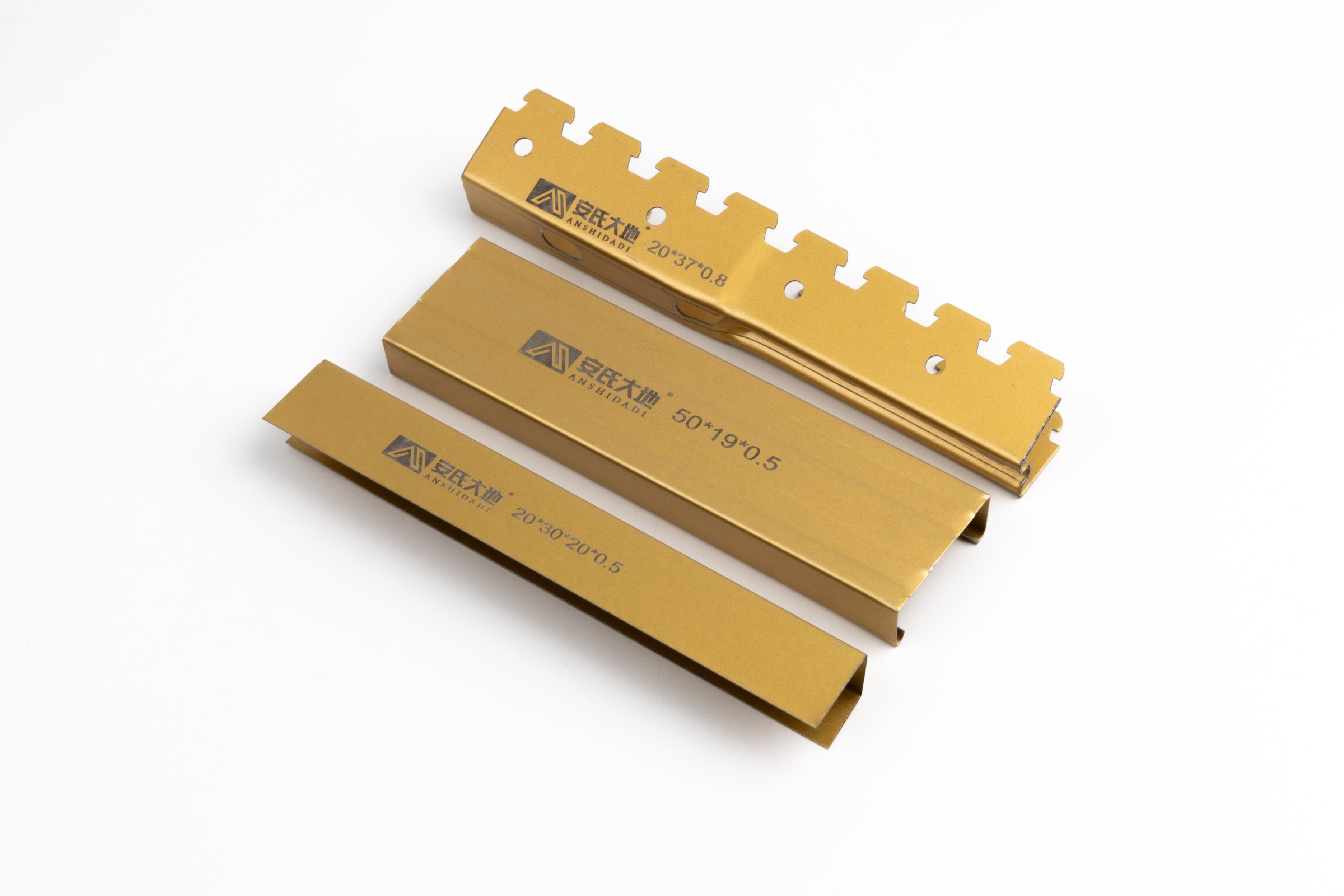
The metal stud has become the backbone of modern construction, offering builders and contractors a lightweight yet durable alternative to traditional wood framing. Understanding how a metal stud is manufactured and what material standards govern its production is essential for anyone involved in construction, engineering, or building supply management. Factory production of metal studs follows rigorous specifications to ensure structural integrity, consistency, and compliance with international building codes.
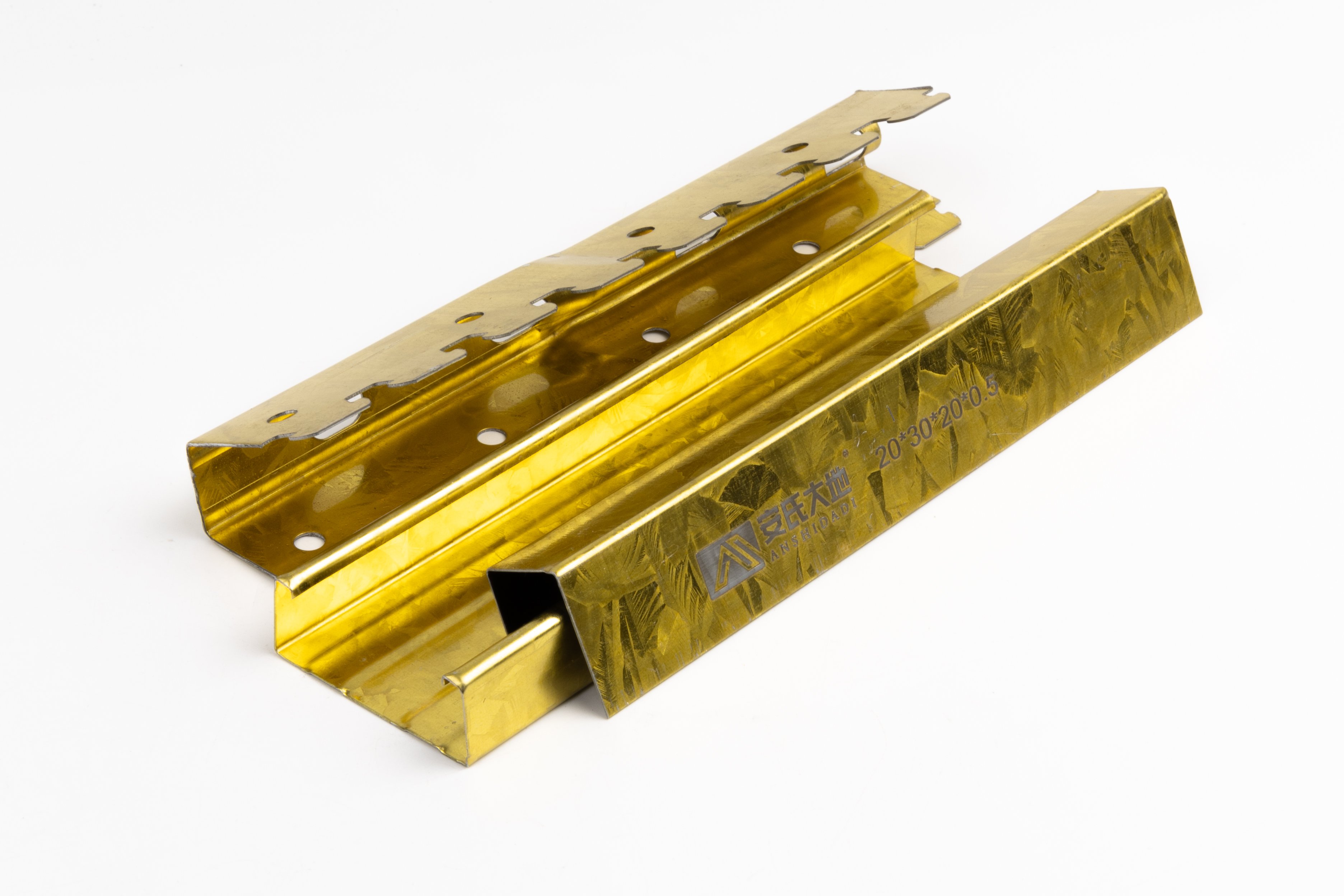
A metal stud manufactured in certified facilities undergoes multiple quality control stages from raw material intake through final packaging. Each metal stud must meet dimensional tolerances, strength ratings, and corrosion resistance requirements that vary based on application, climate zone, and building code jurisdiction. This article explores the complete production journey of a metal stud, examines the material standards that define quality, and explains how factory processes ensure every metal stud meets performance expectations.
Metal Stud Raw Material Selection and Preparation
Steel Coil Quality and Grade Selection
The foundation of a quality metal stud begins with the selection of appropriate steel coil stock. Manufacturers source cold-rolled steel coils that conform to ASTM A653 or equivalent international standards, which specify chemical composition, tensile strength, and surface finish requirements. A metal stud produced from substandard coil will inherit weaknesses that no downstream process can fully correct, making coil selection one of the most critical decisions in factory production. The steel grade chosen for a metal stud production run typically ranges from 33 ksi to 50 ksi yield strength, depending on the intended application and local building code requirements.
Coil Uncoiling and Straightening
Once coils arrive at the factory, the metal stud production process begins with uncoiling and straightening operations. Heavy-duty decoilers feed the steel into straightening equipment that removes residual coil set and ensures the material is flat and ready for profile forming. A metal stud that exits the straightening stage with improper flatness will cause installation problems and potential structural issues, so this stage directly impacts the usability of every metal stud produced. Modern factories use automated measurement systems to verify that each metal stud blank achieves flatness tolerances within 1/8 inch over any 10-foot span.
Cold Rolling and Profile Formation Process
Roll Forming Technology for Metal Stud Production
The heart of metal stud factory production is the roll forming machine, a sophisticated system of sequentially arranged rolls that progressively shape flat steel into the final metal stud profile. Each metal stud passes through a series of forming stations, with each pair of rolls advancing the shape incrementally until the material becomes a complete metal stud with flanges, web, and lips. The design of the metal stud profile follows industry standards such as ASTM C645 or AISI S200, which specify flange width, web depth, thickness, and lip geometry. A metal stud formed to precise specifications ensures consistent strength, proper fastener engagement, and compatibility with building systems and accessories.
Dimensional Accuracy and Profile Consistency
Throughout the metal stud cold-rolling process, in-line measuring systems continuously monitor profile dimensions to ensure every metal stud meets specified tolerances. A metal stud that deviates from these tolerances can compromise drywall attachment, deflection performance, or compatibility with structural fasteners used in assembly. Factories typically maintain a tolerance of plus or minus 1/16 inch on flange width and web depth for each metal stud produced. The metal stud production rate in modern facilities can reach 150 to 200 linear feet per minute, yet quality control systems maintain this precision by using optical sensors and pneumatic gauges that verify every metal stud as it exits the forming line.
Quality Standards and Material Certifications
ASTM and International Standards for Metal Stud Products
Every metal stud manufactured in certified facilities must comply with recognized standards that define mechanical properties, chemical composition, and performance criteria. ASTM C645 specifically addresses the requirements for a metal stud used in non-load-bearing applications, while ASTM C646 applies to a metal stud designed for load-bearing scenarios. Factories producing a metal stud also reference AISI S200 and S211 standards, which provide cold-formed steel design and manufacturing specifications. A metal stud that carries proper certification demonstrates that the product has undergone third-party testing and validation, providing builders and engineers with confidence in structural performance and code compliance.
Testing and Verification Protocols
Factory quality assurance for metal stud production includes tensile testing, bending tests, hardness verification, and corrosion resistance evaluation. Samples drawn from production batches of a metal stud undergo destructive testing to confirm that yield strength, ultimate tensile strength, and elongation meet specifications. Additionally, a metal stud sample may be subjected to salt spray testing to verify galvanizing quality and corrosion resistance, particularly when the metal stud is intended for coastal or high-moisture environments. Non-destructive testing techniques such as ultrasonic thickness measurement verify that each metal stud maintains consistent gauge throughout its length, preventing weak points that could lead to premature failure in the field.
Galvanizing and Protective Coating Specifications
The coating process is integral to metal stud factory production, as the protective layer determines longevity and performance in various environmental conditions. A metal stud typically receives galvanizing per ASTM A123 or A653, which applies a zinc coating that prevents rust and extends service life. The minimum coating weight for a metal stud is typically 0.70 ounces per square foot, though some applications require heavier coating. A metal stud produced with inadequate galvanizing thickness will show premature rust staining and corrosion, potentially creating warranty claims and structural concerns. Factories use X-ray fluorescence (XRF) gauges to verify coating thickness on every production run of a metal stud, ensuring compliance with specification and consistency across the manufacturing batch.
FAQ
What material standards must a metal stud meet to be considered market-compliant?
A metal stud sold in most North American markets must comply with ASTM C645 for non-load-bearing applications or ASTM C646 for load-bearing scenarios, along with AISI S200 and S211 standards for cold-formed steel. Additionally, a metal stud must meet ASTM A653 for base steel quality, ASTM A123 for galvanizing, and local building codes that may include IRC or IBC references. Third-party certification from organizations such as CECO or AWS provides independent verification that a metal stud meets these standards. A metal stud without proper certification documentation should be viewed with caution, as it may not meet structural, safety, or durability requirements expected in professional construction.
How do factories ensure dimensional consistency across all metal stud products?
Factories use automated in-line measurement systems, including laser gauges, optical sensors, and pneumatic calipers, to verify every metal stud's flange width, web depth, and overall profile geometry as it exits the forming line. A metal stud that deviates beyond tolerance is automatically rejected or sent for rework before reaching the packaging stage. Calibrated reference standards and periodic audits ensure that the measurement equipment itself remains accurate, preventing a metal stud from passing inspection due to faulty measurement tools. Statistical process control charts track a metal stud production trends, allowing factory managers to adjust forming equipment proactively before dimensional drift becomes significant.
Why is galvanizing quality important for metal stud long-term performance?
A metal stud's galvanizing layer is its first line of defense against rust, moisture infiltration, and environmental corrosion that can compromise structural integrity over decades of service. A metal stud with inadequate galvanizing will experience premature rust staining, visible corrosion, and potential structural degradation, leading to building failures and costly remediation. In high-moisture environments such as coastal areas, agricultural facilities, or wet industrial spaces, a metal stud with superior galvanizing thickness outlasts lesser-coated alternatives by 10 to 15 years or more. Factory testing of a metal stud's coating through salt spray and humidity chamber procedures simulates long-term exposure, allowing manufacturers to confidently guarantee that a metal stud will resist corrosion under real-world conditions for specified service periods.