
 EN
EN



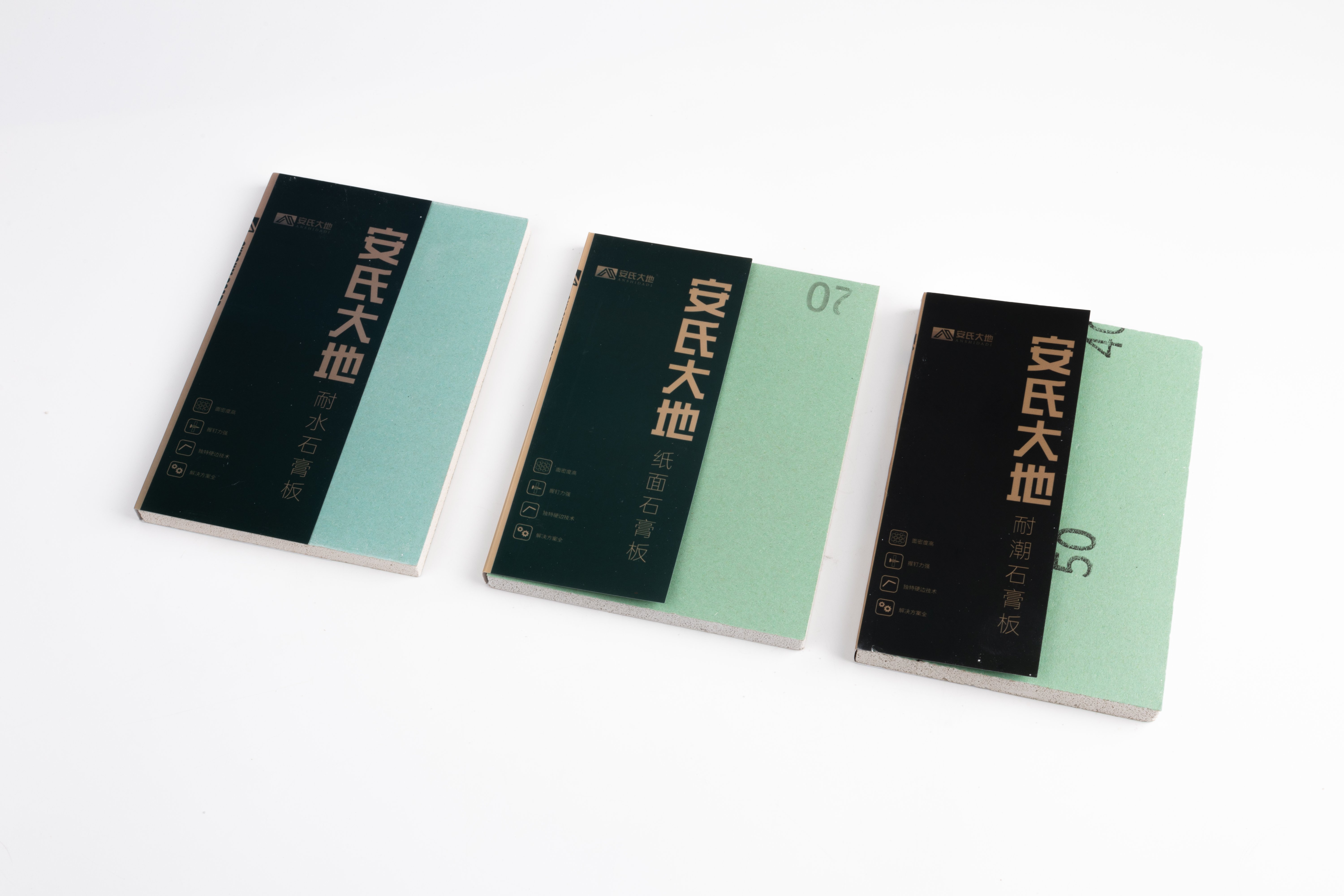
When sourcing materials for acoustic insulation projects, selecting the right gypsum board supplier is one of the most consequential decisions a procurement team or construction professional can make. Not all gypsum board products deliver the same level of sound control performance, and the density, core composition, and manufacturing precision of each panel directly affects how well a wall or ceiling system reduces noise transmission. Understanding what separates a capable gypsum board supplier from an average one helps buyers avoid costly specification errors and rework on large-scale commercial or industrial builds.
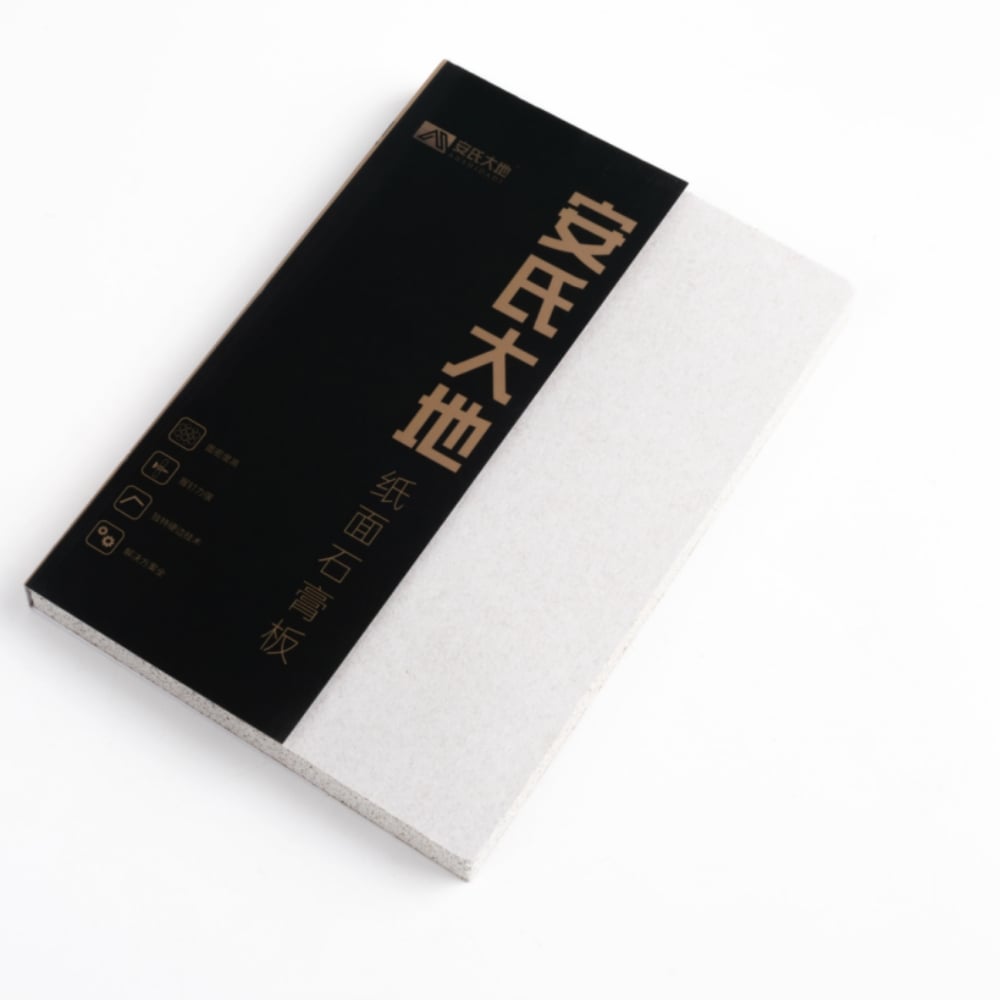
High density gypsum board is specifically engineered to improve the Sound Transmission Class rating of assemblies in offices, hospitals, hotels, schools, and multi-unit residential buildings. A reliable gypsum board supplier should be able to provide panel specifications, density certifications, and technical data sheets that confirm performance claims. This article explores the key attributes of gypsum board suppliers for acoustic applications, what buyers should evaluate in product offerings, and how to match gypsum board specifications to real project requirements.
What Makes Gypsum Board Suitable for Acoustic Insulation
Density and Core Composition
The fundamental reason gypsum board works well in acoustic assemblies is its mass. Sound energy, particularly low-frequency vibration, is attenuated more effectively by heavy, dense panels than by lighter alternatives. High density gypsum board contains a greater proportion of calcium sulfate dihydrate per unit volume, which increases panel mass without excessive thickness. When evaluating any gypsum board supplier, buyers should request the nominal panel weight per square meter and compare it against standard specification benchmarks for acoustic wall systems. A gypsum board with a density of 800 kg/m³ or above is generally considered suitable for demanding acoustic applications.
Core additives also play a role. Some gypsum board formulations include polymeric fibers, viscoelastic damping compounds, or enhanced crystalline structures that improve internal damping. These features allow a single layer of gypsum board to perform closer to a double-layer assembly in certain frequency ranges. Not every gypsum board supplier stocks these specialized formulations, so early vendor qualification is essential during the design phase of any acoustic insulation project.
Panel Thickness and Layering Strategy
Gypsum board is available in multiple thickness profiles, and the choice of panel thickness significantly influences acoustic outcomes. Standard gypsum board panels at 12.5 mm are commonly used in partition systems, while 15 mm and 18 mm gypsum board panels are preferred by acoustic consultants for higher-STC assemblies. A knowledgeable gypsum board supplier will be able to advise on single-layer versus double-layer gypsum board configurations and explain how each layering approach interacts with stud spacing, insulation fill, and resilient channel mounting to deliver a target acoustic rating.
How to Evaluate Gypsum Board Suppliers for Acoustic Projects
Product Range and Technical Documentation
A qualified gypsum board supplier for acoustic insulation should maintain a comprehensive product range that includes both standard and high density gypsum board options. Technical documentation is critical. Every gypsum board offered for acoustic applications should come with independently tested STC and IIC ratings, measured in certified acoustic laboratories. When a gypsum board supplier cannot provide third-party test reports for their gypsum board panels, it is a strong signal that the acoustic performance data may be unreliable or untested. Buyers should also confirm that gypsum board test results correspond to the actual assembly configuration being used on the project, not a different wall system entirely.
In addition to acoustic ratings, a credible gypsum board supplier should offer fire resistance data, moisture resistance options, and structural load data where applicable. Acoustic insulation assemblies in commercial buildings often require gypsum board panels that simultaneously meet fire rating standards. The ability of a gypsum board supplier to cross-reference acoustic performance with fire classification is a mark of technical depth and reduces the burden on specification engineers.
Supply Consistency and Volume Capacity
For large projects, supply consistency is as important as product quality. A gypsum board supplier that cannot maintain consistent panel density across production batches introduces risk into acoustic assemblies. Variation in gypsum board density means variation in mass, which directly affects the acoustic behavior of finished walls. Procurement teams should inquire about a supplier's production quality controls, batch testing protocols, and minimum order volumes before committing to a gypsum board supplier relationship for a multi-phase construction contract.
Delivery reliability is another practical factor. High density gypsum board is heavier than standard panels, and logistics planning must account for increased freight load and careful handling to avoid panel edge damage. A gypsum board supplier with experience in large-volume acoustic insulation projects will have established logistics frameworks that reduce site delivery complications and material waste from damaged gypsum board panels.
Matching Gypsum Board Specifications to Acoustic Goals
Residential vs. Commercial Acoustic Requirements
Acoustic requirements vary significantly between residential and commercial construction. Residential gypsum board assemblies typically target STC ratings between 45 and 55, while commercial healthcare and hospitality environments often require gypsum board wall systems rated at STC 55 to 65 or higher. A specialist gypsum board supplier should understand these differences and be able to recommend specific gypsum board product combinations, including enhanced gypsum board core types, to match each application category. Relying on a gypsum board supplier who treats all acoustic projects identically leads to over-specification in low-demand areas or, more problematically, under-specification in noise-sensitive spaces.
Integration with Other Acoustic Components
Gypsum board does not perform in isolation. Acoustic insulation system performance depends on how gypsum board integrates with mineral wool insulation batts, resilient mounting channels, acoustic sealant at perimeter joints, and the stud or joist framing system. An experienced gypsum board supplier will be able to provide tested system drawings that show exactly how their gypsum board products should be combined with complementary materials to achieve a documented acoustic rating. This systems-level knowledge differentiates a true acoustic gypsum board supplier from a general building materials distributor who simply resells gypsum board without application expertise.
Specifiers should also consider mass-loaded vinyl layers or acoustic membrane laminates bonded to gypsum board in extreme noise environments. Some gypsum board suppliers offer pre-laminated acoustic gypsum board panels that combine multiple performance layers into a single factory-prepared sheet, simplifying installation and reducing the risk of site assembly errors. Evaluating whether a gypsum board supplier can support this level of product customization is worthwhile for projects with stringent acoustic insulation performance targets.
FAQ
What density of gypsum board is recommended for acoustic insulation?
For acoustic insulation applications, gypsum board with a density of 800 kg/m³ or higher is generally recommended. High density gypsum board provides greater mass per unit area, which improves sound attenuation across mid and high frequencies. Always confirm panel density specifications directly with your gypsum board supplier before finalizing material selections.
Can standard gypsum board be used for acoustic walls?
Standard gypsum board can contribute to acoustic wall assemblies when used in double-layer configurations with resilient channels and insulation fill. However, for projects requiring STC ratings above 50, high density gypsum board is the preferred option. A specialist gypsum board supplier can help determine whether standard or high density gypsum board is appropriate based on your target acoustic performance rating.
How do I verify acoustic performance claims from a gypsum board supplier?
Request independent laboratory test reports for the specific gypsum board assembly configuration you intend to use. These reports should reference the testing standard, such as ASTM E90 for STC measurements. A credible gypsum board supplier will readily share test documentation that matches the actual gypsum board product and assembly being proposed, not generic or outdated test results from unrelated configurations.