
 EN
EN



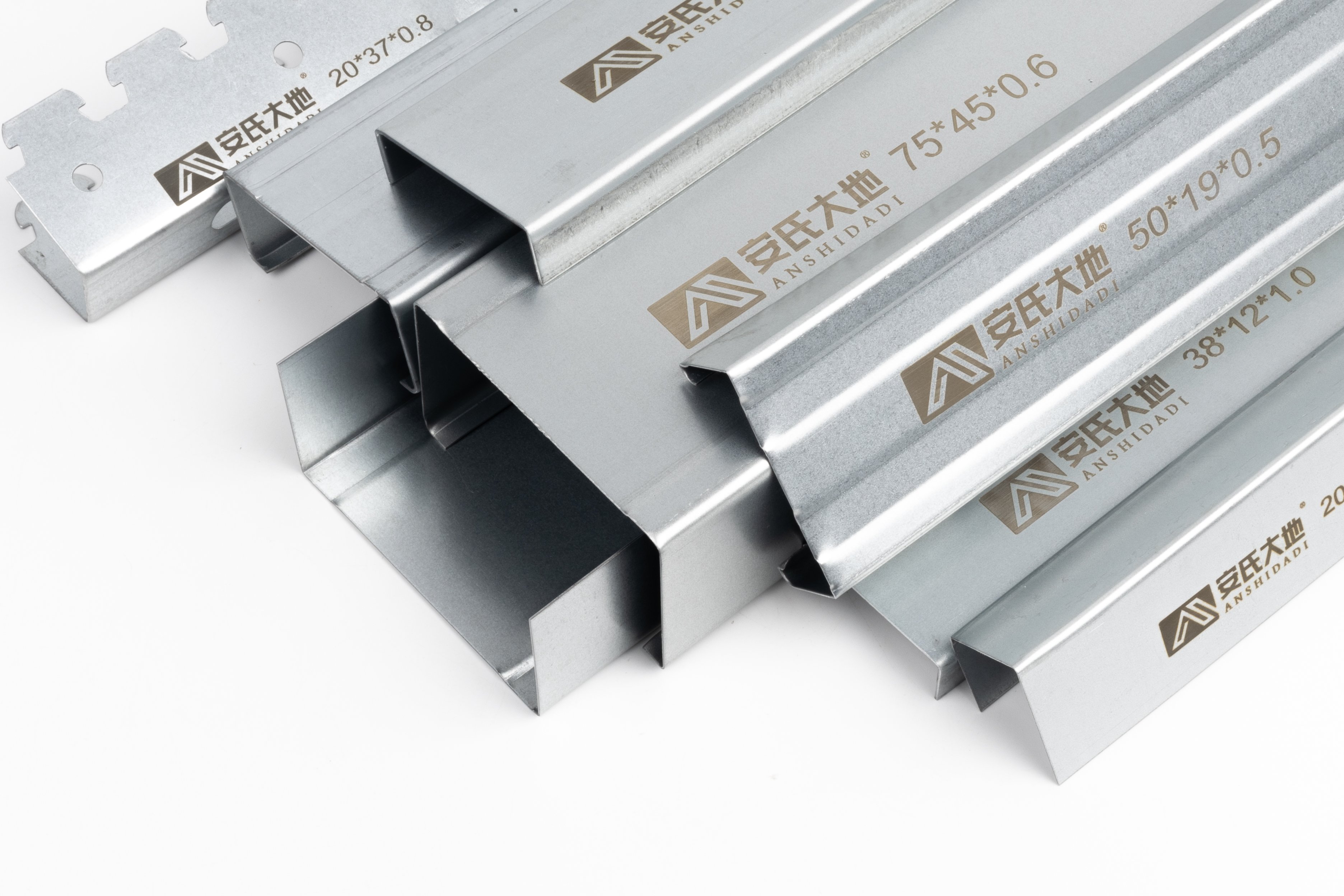
When managing a large-scale framing project, the quality and consistency of your structural materials directly affect both safety and efficiency. steel keel is the backbone of interior partition walls, ceiling grids, and non-load-bearing structural assemblies across commercial, industrial, and residential construction. Sourcing steel keel at a wholesale level gives contractors and developers the volume pricing, specification consistency, and supply reliability that large projects demand. Understanding which steel keel options best suit your project scale is the foundation of smart procurement.
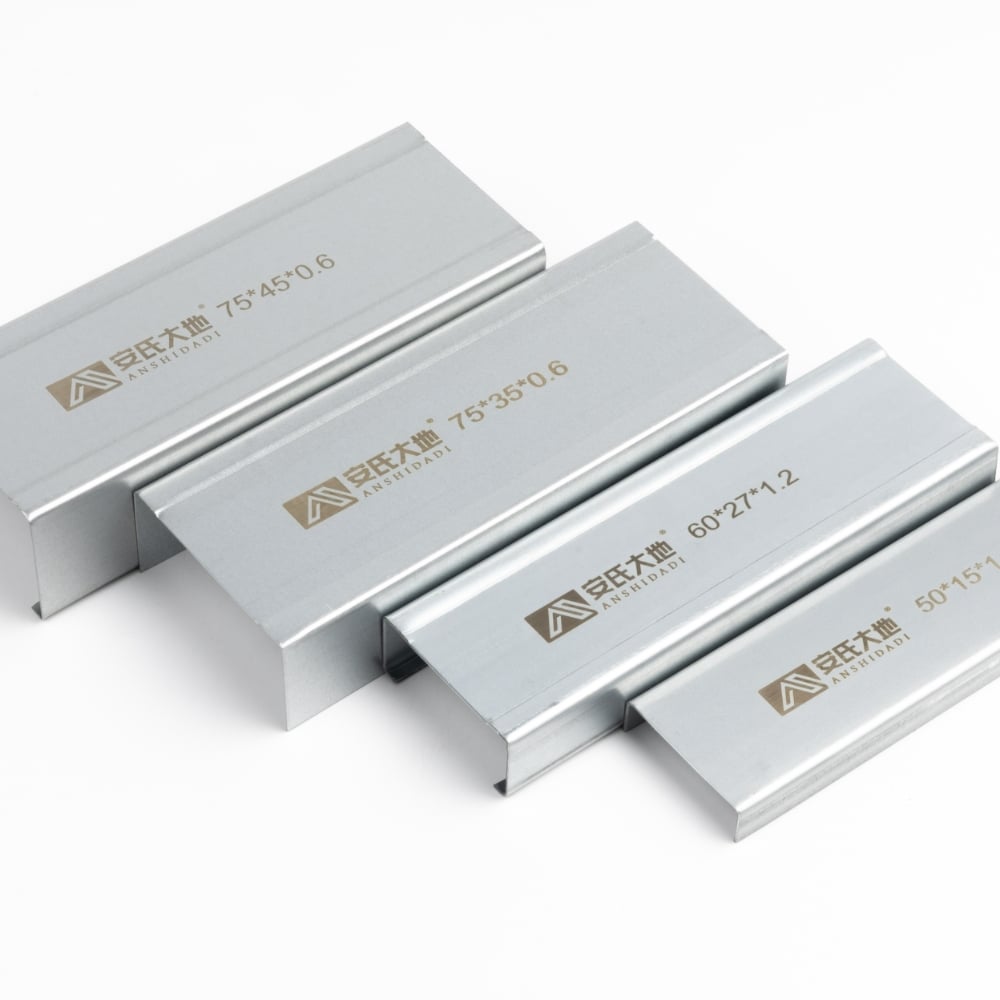
Wholesale steel keel procurement involves more than simply ordering in bulk. Project managers must evaluate steel keel gauge, profile type, coating standard, and dimensional tolerance before finalizing any supply agreement. A mismatch between steel keel specification and project requirement can cause installation delays, cost overruns, and structural non-compliance. This article outlines the core steel keel options available at wholesale scale and the key decision factors that ensure your large-scale framing project runs on time and within specification.
Types of Steel Keel Profiles for Framing
C-Channel and U-Track Steel Keel
The most commonly specified steel keel in commercial framing is the C-channel stud and the U-track runner. C-channel steel keel forms the vertical studs in partition wall assemblies, while the U-track steel keel acts as the horizontal runner that anchors the system to floors and ceilings. Together, these two steel keel components create the fundamental framing grid used in drywall systems. Wholesale orders for large-scale projects typically combine both profiles in calculated ratios, and reputable steel keel suppliers offer bundled procurement packages to simplify this process.
For large-scale projects, C-channel steel keel is available in standard widths of 50mm, 75mm, 100mm, and 150mm. Each steel keel width corresponds to a specific wall thickness and acoustic or fire-rating requirement. Specifying the correct steel keel width at the procurement stage avoids costly material substitutions mid-project. Wholesale steel keel suppliers can fabricate or stock custom widths when standard dimensions do not meet design specifications.
Ceiling and Furring Steel Keel
Beyond partition walls, large-scale projects also require ceiling steel keel systems. Ceiling steel keel includes main runner channels, cross tees, and furring strips that form suspended ceiling grids. Furring steel keel is also used to create level sub-surfaces on masonry or concrete walls before board installation. Wholesale purchasing of ceiling steel keel ensures consistent gauge and finish across all ceiling zones, which is critical for alignment and load-bearing compliance. When procuring steel keel for ceiling applications, buyers should confirm the hanger spacing specifications to match the steel keel load rating.
Gauge and Coating Standards in Wholesale Steel Keel
Selecting the Right Steel Keel Gauge
Steel keel gauge determines the thickness of the metal and directly influences structural performance, screw-holding capacity, and fire resistance. In large-scale framing projects, steel keel gauge commonly ranges from 0.4mm to 1.0mm base metal thickness. Light-gauge steel keel at 0.4mm to 0.6mm is used for standard non-load-bearing interior partitions, while heavier steel keel at 0.8mm to 1.0mm is specified for taller walls, corridor framing, and areas with higher impact risk. Wholesale steel keel orders must clearly state the gauge specification to prevent undersized material being substituted without authorization.
Contractors working on multi-floor commercial buildings often need multiple steel keel gauges within a single project. A competent wholesale steel keel supplier will package and label different steel keel gauges separately to ensure installers use the correct material in each zone. This attention to steel keel specification management reduces waste, improves quality control, and protects the project from structural deficiency reports during inspection.
Corrosion Protection and Steel Keel Coating
Wholesale steel keel is typically supplied with a galvanized or zinc-coated finish to resist corrosion during storage, transport, and installation. The coating weight of steel keel, measured in grams per square meter, affects how long the material maintains its structural integrity in humid or chemically active environments. For projects in coastal areas, high-humidity buildings, or cold storage facilities, specifying a higher coating weight on the steel keel is essential. Buyers sourcing wholesale steel keel for demanding environments should request mill test certificates confirming coating compliance with relevant standards such as ASTM or EN specifications.
Wholesale Procurement Strategy for Large-Scale Steel Keel Supply
Volume Planning and Lead Time Management
Large-scale framing projects consume significant quantities of steel keel over extended construction timelines. A well-planned wholesale steel keel procurement strategy accounts for phased delivery schedules that match construction progress. Ordering all steel keel at project start can create on-site storage challenges and material damage risk, while ordering too late disrupts framing schedules. Working with a wholesale steel keel supplier who offers scheduled delivery and inventory holding programs reduces these risks. Detailed steel keel quantity take-offs, prepared from final construction drawings, are the most reliable basis for wholesale steel keel order planning.
Quality Consistency Across Steel Keel Batches
One of the most overlooked risks in wholesale steel keel procurement is batch-to-batch inconsistency. When steel keel arrives from different production runs, minor variations in profile geometry, coating weight, or steel grade can affect installation fit and performance. Professional wholesale steel keel suppliers control this through mill certificates, batch tracking, and production consistency audits. Buyers should require that all steel keel deliveries for a single project originate from the same production specification to maintain uniformity. Consistent steel keel quality reduces rework, simplifies quality assurance documentation, and supports project certification requirements.
FAQ
What is the standard length for wholesale steel keel in framing projects?
Standard steel keel lengths in wholesale supply are typically 2.4m, 3.0m, and 3.6m, though custom lengths are available. Choosing the right steel keel length for your floor-to-ceiling height minimizes cut waste and speeds up installation. Large-scale wholesale steel keel orders often specify non-standard lengths to match exact room heights across the project.
How do I verify the quality of wholesale steel keel before delivery?
Request mill test certificates for every steel keel batch that confirm base metal thickness, coating weight, and steel grade. Independent third-party inspection of the steel keel at the production facility or warehouse is advisable for large orders. Reputable wholesale steel keel suppliers welcome pre-delivery inspections and provide full traceability documentation for each consignment.
Can steel keel be customized for non-standard framing dimensions?
Yes, most wholesale steel keel manufacturers offer custom roll-forming services to produce steel keel in non-standard widths, heights, and thicknesses. Custom steel keel is especially useful for heritage renovation projects, prefabricated module construction, and high-specification acoustic wall assemblies. Lead times for custom steel keel are longer than for standard profiles, so early engagement with your wholesale steel keel supplier is strongly recommended.