
 EN
EN



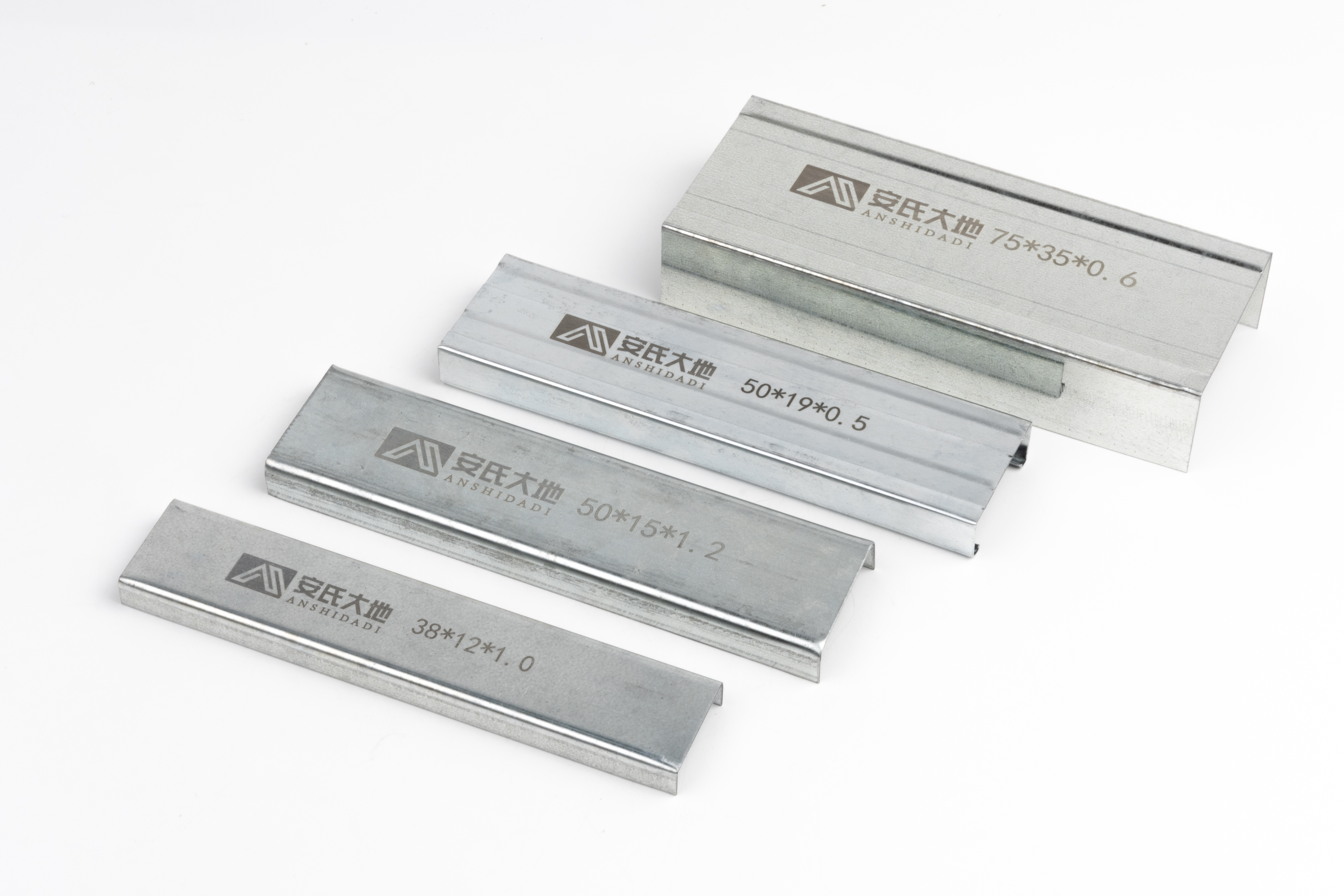
When selecting materials for construction and industrial applications requiring long-term durability, the choice between standard steel and zinc coated alternatives becomes critical. A metal stud framework using zinc coated steel keel offers superior protection against corrosion and environmental degradation over extended periods. Understanding how zinc coating transforms a basic metal stud into a durable component is essential for engineers, contractors, and facility managers who need reliable structural solutions that withstand moisture, salt exposure, and harsh weather conditions without premature deterioration.
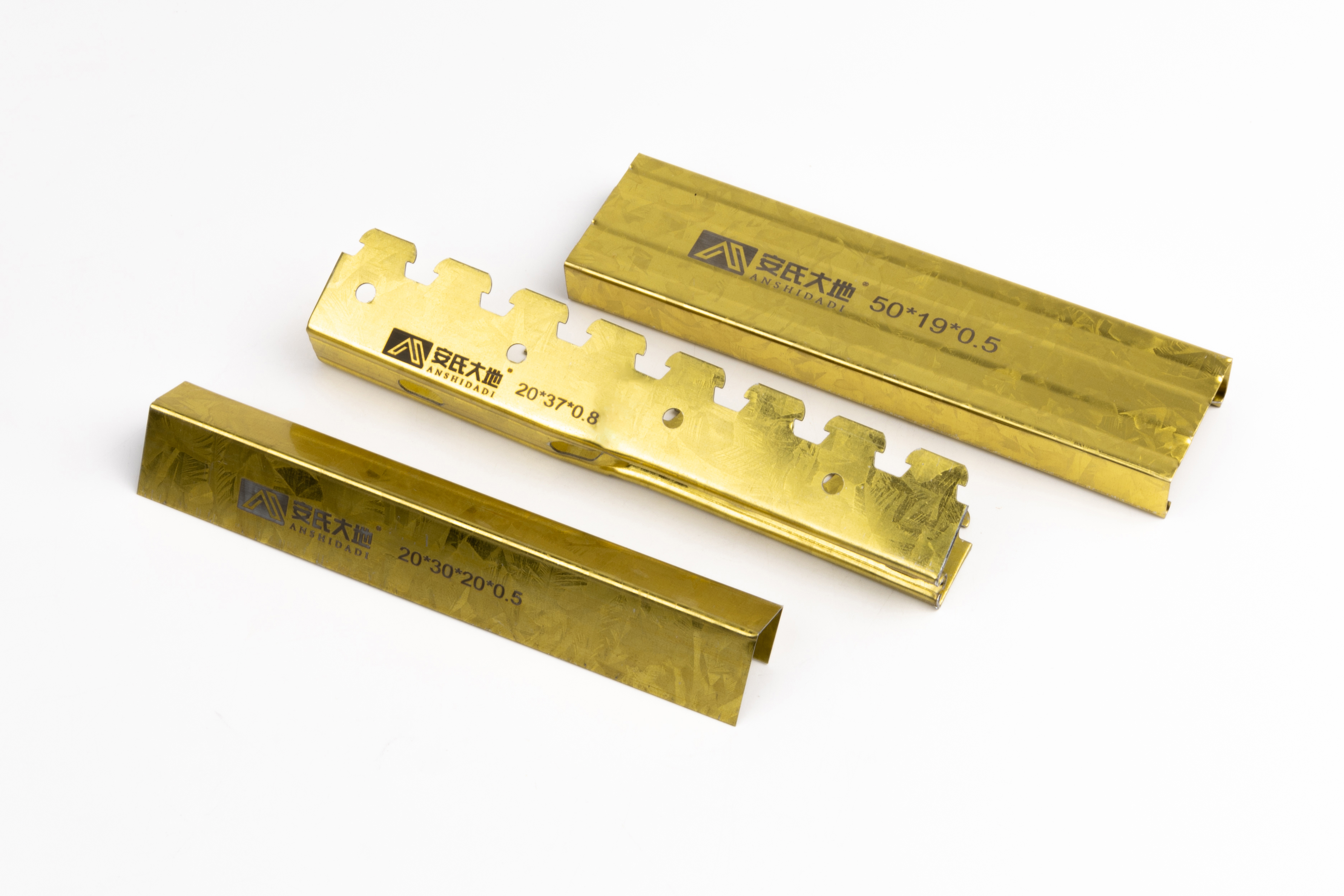
The integration of zinc coated steel keel into metal stud construction represents a proven engineering approach that balances cost-effectiveness with performance requirements. By applying a protective zinc layer to the underlying steel substrate, manufacturers create a metal stud product that resists oxidation, extends service life, and reduces maintenance expenses throughout its operational period. This article explores the fundamental benefits of zinc coated steel keel, the mechanisms that protect a metal stud from corrosion, and practical guidance for selecting and deploying these materials in environments where durability directly impacts project success and return on investment.
Understanding Zinc Coated Steel Keel Protection Mechanisms
How Zinc Coating Protects Metal Stud Substrates
Zinc coating operates through two primary protective mechanisms that work together to preserve the underlying metal stud structure. First, zinc itself is more reactive than steel in the electrochemical series, meaning the zinc layer sacrificially corrodes before the base metal stud can be attacked by moisture and oxygen. This galvanic protection ensures that even if the zinc coating develops minor scratches or damage, the metal stud remains shielded from rust propagation. Second, zinc naturally forms zinc oxide and zinc hydroxide compounds on its surface, which create a dense, self-healing barrier that slows further oxidation and extends the lifespan of the metal stud exponentially.
Long-Term Durability Benefits for Metal Stud Frameworks
A properly zinc coated steel keel metal stud can maintain structural integrity for 50 to 75 years or more in typical atmospheric conditions, compared to bare steel which may begin showing significant rust within 5 to 10 years. Industrial environments with salt spray, chemical exposure, or high humidity accelerate corrosion rates, making zinc coated steel keel the preferred choice for metal stud applications in coastal zones, chemical plants, and moisture-intensive facilities. The extended durability of a zinc coated metal stud reduces replacement cycles, minimizes emergency maintenance disruptions, and provides superior total cost of ownership compared to cheaper uncoated alternatives that require frequent inspection and replacement.
Design and Selection Considerations for Zinc Coated Steel Keel Metal Stud
Coating Thickness and Performance Standards
Zinc coating thickness is measured in microns and directly correlates with protection duration and resistance to harsh environments. Standard galvanizing processes apply 70 to 200 microns of zinc coating, with heavier applications suitable for metal stud components intended for high-corrosion zones. Industry standards such as ASTM A123 define minimum coating thickness requirements for structural steel, ensuring that any metal stud meeting these specifications delivers predictable, long-term durability. Selecting a metal stud product that specifies coating thickness in the contract documentation prevents underspecification and guarantees that the protective layer will perform as expected throughout the intended service life.
Application Scenarios for Zinc Coated Steel Keel Metal Stud
Zinc coated steel keel metal stud performs exceptionally in outdoor structural frameworks, bridge components, utility transmission towers, and industrial facilities where environmental exposure is continuous. Interior applications in humid warehouses, food processing plants, and chemical storage facilities also benefit significantly from the corrosion resistance of a zinc coated metal stud. Agricultural buildings, parking structures, and industrial equipment mounting systems routinely employ zinc coated steel keel metal stud because the upfront investment in coating is recovered through reduced maintenance, extended service intervals, and deferred replacement schedules. Each application scenario should evaluate local environmental conditions, moisture levels, chemical exposure, and expected maintenance budget to confirm that a zinc coated metal stud represents the optimal choice.
Installation, Maintenance, and Long-Term Performance Management
Proper Handling and Installation Practices for Metal Stud
Protecting the integrity of zinc coated steel keel begins during installation, as improper handling can damage the protective coating and compromise the long-term durability of the metal stud. Installing personnel should avoid dragging, dropping, or striking a metal stud against hard surfaces, as these actions scratch through the zinc layer and expose bare steel to oxidation. Connections, bolts, and fasteners should be stainless steel or hot-dip galvanized to prevent galvanic corrosion where dissimilar metals contact the zinc coated metal stud. Proper storage at the job site, with elevation off wet ground and protection from standing water, ensures that the metal stud coating remains intact before final installation.
Inspection and Maintenance Protocols
Although zinc coated steel keel metal stud is highly resistant to corrosion, periodic visual inspection every two to five years helps identify early signs of coating degradation in harsh environments. Areas where water collects, trapped moisture accumulates, or salt deposits remain on the metal stud surface should receive extra attention during inspections. If damage to the coating is discovered on a metal stud, spot repairs using zinc-rich paint or galvanic repair compounds prevent rust initiation at the compromised location. Regular cleaning of debris and organic matter that could retain moisture against the metal stud surface extends the effective lifespan and maintains the aesthetic appearance of the zinc coated steel keel investment over decades of service.
FAQ
What is the typical lifespan of zinc coated steel keel metal stud?
Zinc coated steel keel metal stud typically lasts 50 to 75 years in standard atmospheric conditions and may exceed 100 years in low-corrosion environments. In high-corrosion zones such as coastal areas or chemical facilities, the lifespan of a metal stud may be reduced to 30 to 50 years, but this still represents a significant advantage over bare steel. The exact durability of a metal stud depends on coating thickness, environmental severity, and maintenance practices employed throughout its service life.
Can zinc coated steel keel metal stud be repaired if the coating is damaged?
Yes, a metal stud with minor coating damage can be effectively repaired using zinc-rich paint, epoxy coatings, or hot-dip galvanizing repair compounds that restore protection to the exposed steel substrate. Small scratches or localized damage on a metal stud can be treated promptly to prevent rust spread, and most repairs are affordable and quick to apply. For extensive coating loss, replacement of the affected metal stud section may be more economical and reliable than attempting comprehensive repair of the entire component.
Is zinc coated steel keel metal stud suitable for indoor applications?
Zinc coated steel keel metal stud excels in indoor environments with high humidity, condensation, or chemical exposure, such as food processing facilities, chemical plants, and agricultural buildings. In dry, climate-controlled indoor spaces, bare metal stud may suffice from a corrosion perspective, but zinc coating adds minimal cost and provides insurance against unexpected moisture intrusion or condensation events. For any indoor industrial application where durability and maintenance reduction are priorities, zinc coated metal stud remains an excellent choice that pays dividends over the facility's operational lifetime.