
 EN
EN



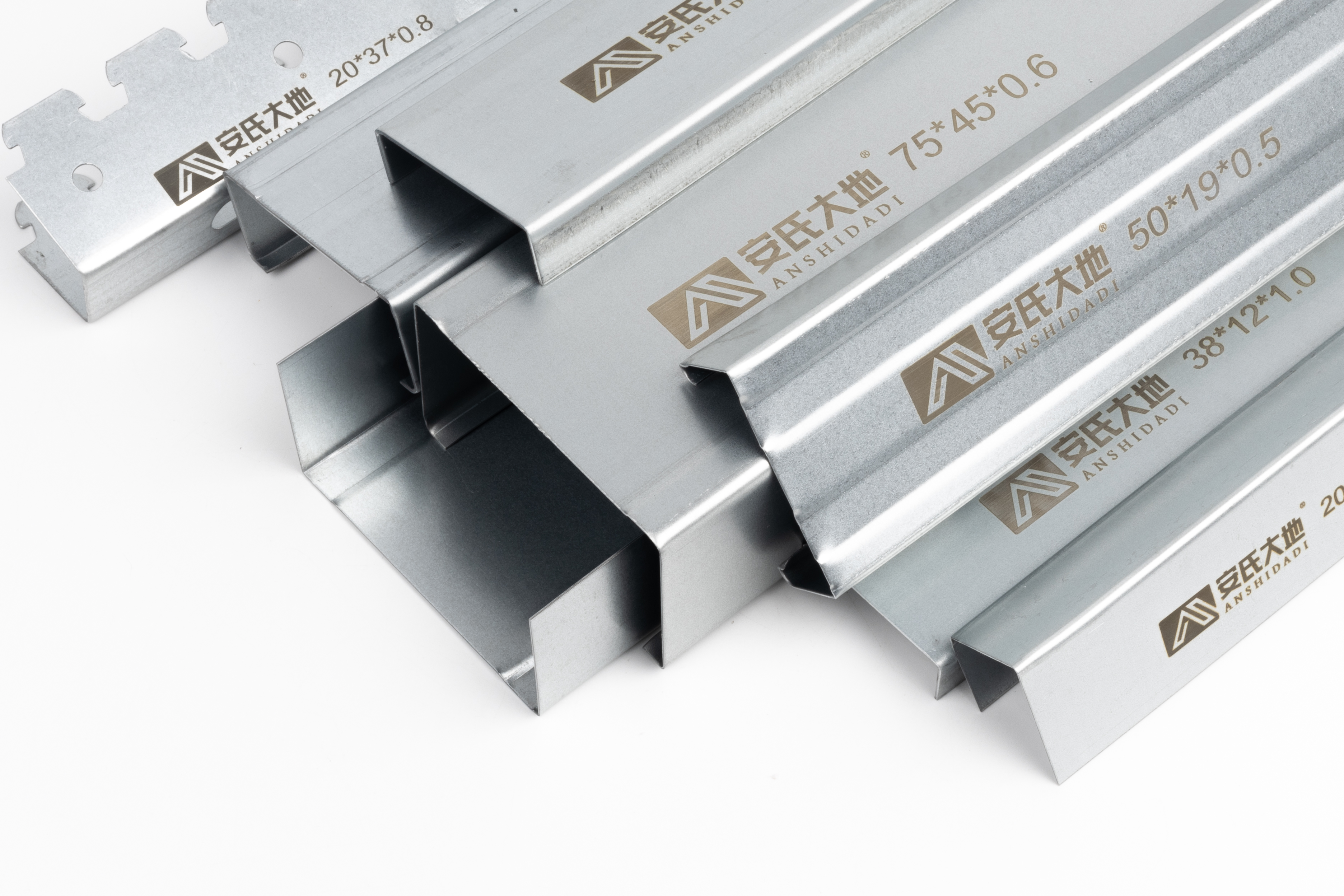
Office fit-outs require structural systems that balance durability, cost efficiency, and installation speed. The metal stud has become the industry standard for interior partitioning in commercial environments, offering superior performance compared to traditional timber framing. Unlike wood, the metal stud resists warping, moisture damage, and fire hazards while maintaining structural integrity across diverse climates and operational conditions. Understanding the benefits and applications of metal stud systems helps facility managers, contractors, and office developers make informed decisions that align with both budget and performance expectations.
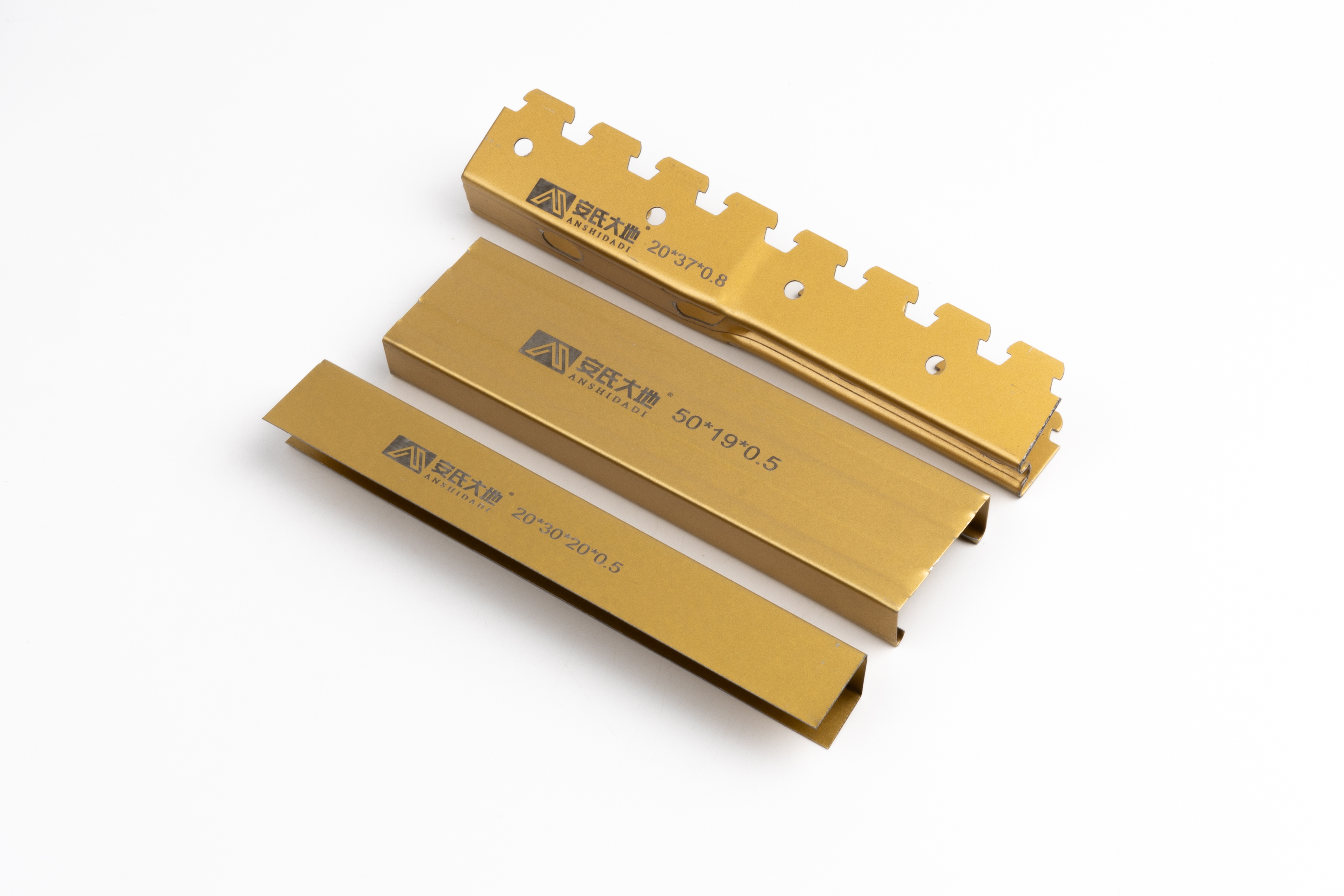
Wholesale metal stud options are now widely available through specialized distributors and manufacturers, making large-scale office projects economically accessible. The metal stud market has evolved significantly, with suppliers offering standardized gauges, pre-cut lengths, and complementary fastening systems that streamline assembly and reduce labor overhead. Whether you're planning a small suite renovation or a multi-floor office reconfiguration, selecting the right metal stud supplier ensures consistent quality, predictable timelines, and long-term structural performance.
Material Advantages of Metal Stud in Modern Office Design
Durability and Fire Resistance
The metal stud delivers exceptional durability compared to wood framing, particularly in high-traffic office environments where partition integrity directly impacts operational continuity. Metal studs do not rot, warp, or split under temperature fluctuations or humidity changes, ensuring dimensional stability throughout the building's lifespan. Fire safety is another critical advantage—the metal stud is non-combustible, meeting or exceeding fire code requirements in most jurisdictions. When combined with fire-rated drywall and insulation, metal stud partitions create robust fire-barriers that protect occupants and reduce insurance liability. This inherent fire resistance makes the metal stud the preferred choice for compliance-sensitive industries such as healthcare, banking, and government offices.
Cost Efficiency and Waste Reduction
Wholesale metal stud pricing is significantly more favorable when purchased in bulk, allowing developers to reduce material costs on large-scale projects. The metal stud's lightweight construction reduces transportation expenses and simplifies onsite handling, lowering labor requirements during installation. Unlike timber framing, the metal stud produces minimal waste—off-cuts can be recycled, and precise manufacturing tolerances reduce the need for field adjustments. The metal stud also accelerates project timelines because fastening systems are standardized, reducing complexity and rework delays. These factors combine to deliver compelling cost savings across material, labor, and project duration, making wholesale metal stud procurement an economically rational decision for office fit-outs.
Installation and Technical Specifications
Gauge Selection and Load-Bearing Capacity
Metal stud gauge selection depends on partition height, loading conditions, and acoustic requirements. Standard gauges for office partitions range from 16 to 20 gauge, with 16 gauge metal stud providing greater rigidity for taller walls or areas requiring superior sound attenuation. The metal stud's web and flange dimensions are standardized across manufacturers, ensuring compatibility with universal hardware and fastening components. For non-structural partitions in typical office environments, 20 gauge metal stud is common and cost-effective, while 18 gauge metal stud offers a balance between performance and affordability. Understanding gauge specifications ensures that your wholesale metal stud purchase aligns with structural and acoustic performance targets.
Assembly and Integration with Building Systems
Metal stud framing accommodates integrated building systems including electrical conduit, HVAC ducts, and plumbing runs within partition cavities, reducing coordination complexity and post-installation modifications. The metal stud's channel design allows simple attachment of cross-bracing, furring channels, and cable trays without drilling or welding. Installation typically uses self-drilling screws, which penetrate the metal stud without pre-drilling and create permanent, vibration-resistant connections. The metal stud's modular design enables rapid assembly by skilled crews, with straightforward measurements and repeatable fastening procedures reducing installation variability. Wholesale suppliers often provide pre-assembled metal stud frames for standard partition configurations, further accelerating project delivery.
Wholesale Sourcing Considerations for Office Projects
Supplier Reliability and Quality Assurance
When evaluating wholesale metal stud suppliers, verify that material meets relevant standards such as ASTM C955 or equivalent regional specifications. Quality assurance processes should include dimensional tolerance verification, coating consistency checks, and testing for manufacturing defects. Reputable suppliers maintain inventory buffers to ensure timely delivery, preventing schedule delays on active construction sites. The metal stud supplier should provide technical documentation, including gauge certifications, load-rating tables, and compatibility matrices for complementary fastening components. Building long-term relationships with established wholesale metal stud distributors improves order flexibility, priority allocation during supply constraints, and access to technical support.
Inventory Planning and Logistics
Accurate material takeoffs and advance ordering maximize the benefits of wholesale metal stud pricing while minimizing on-site storage requirements. Most office fit-out projects benefit from phased delivery schedules that align with construction sequencing—delivering floor-by-floor allocations reduces crowding and improves material handling efficiency. The lightweight nature of the metal stud simplifies logistics compared to heavy structural materials, enabling smaller vehicles to transport substantial quantities. Wholesale suppliers typically offer packaging options that facilitate organized inventory tracking and rapid deployment to individual work stations. Coordinating delivery timing with crew availability ensures that metal stud materials are installed promptly after arrival, reducing holding costs and insurance exposure.
FAQ
What gauge metal stud is recommended for standard office partition walls?
For typical office partitions under 12 feet in height with standard drywall finishes, 20 gauge metal stud provides adequate rigidity and cost efficiency. If the partition exceeds 12 feet or requires enhanced sound attenuation, 18 gauge metal stud offers superior performance. For specialty applications involving heavy loading or specialized acoustic requirements, 16 gauge metal stud may be necessary. Consulting with structural engineers or partition manufacturers ensures gauge selection matches your specific project requirements and code compliance needs.
How does metal stud framing improve installation speed compared to timber framing?
Metal stud installation is faster because standardized gauges, pre-cut lengths, and universal fastening components eliminate field customization and adjustments. Self-drilling screws penetrate the metal stud without pre-drilling, accelerating assembly rates by 20–30 percent relative to timber nailing. The metal stud's consistency reduces measurement errors and rework, allowing crews to maintain steady installation pacing throughout the project. Additionally, metal stud frames can be partially assembled off-site before delivery, further compressing on-site labor and project duration.
Are there acoustic performance advantages to using metal stud partitions?
Metal stud partitions perform comparably to timber framing when paired with appropriate drywall thickness, insulation materials, and acoustic membranes. The metal stud itself is rigid and thermally conductive, so sound attenuation depends primarily on cavity fill and mass of the drywall layers. Multi-layer drywall systems, mineral wool insulation, and resilient channels combined with metal stud framing achieve sound transmission class ratings of 50 or higher, suitable for confidential office spaces. Wholesale metal stud suppliers can provide specifications for achieving target acoustic performance in your partition design.