
 EN
EN


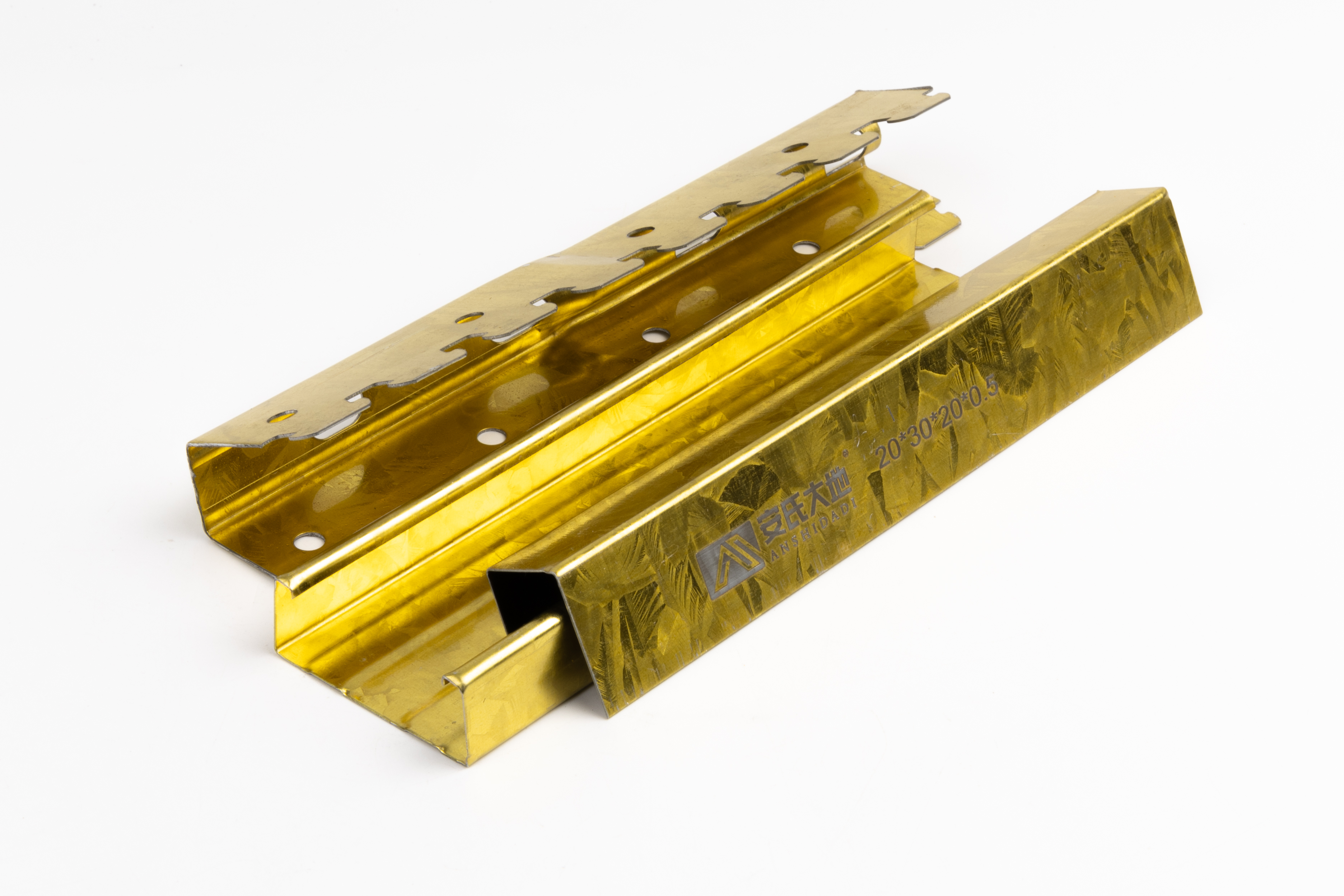
Cold formed steel keel manufacturing represents a transformative approach to modern construction, delivering superior structural performance through innovative metal stud engineering. The metal stud has emerged as a cornerstone technology in contemporary building systems, offering architects, engineers, and contractors a lightweight yet exceptionally strong foundation for residential, commercial, and industrial projects. Unlike traditional timber or conventional steel solutions, the metal stud provides consistent quality, predictable performance, and measurable structural advantages that directly impact project outcomes and long-term building integrity.
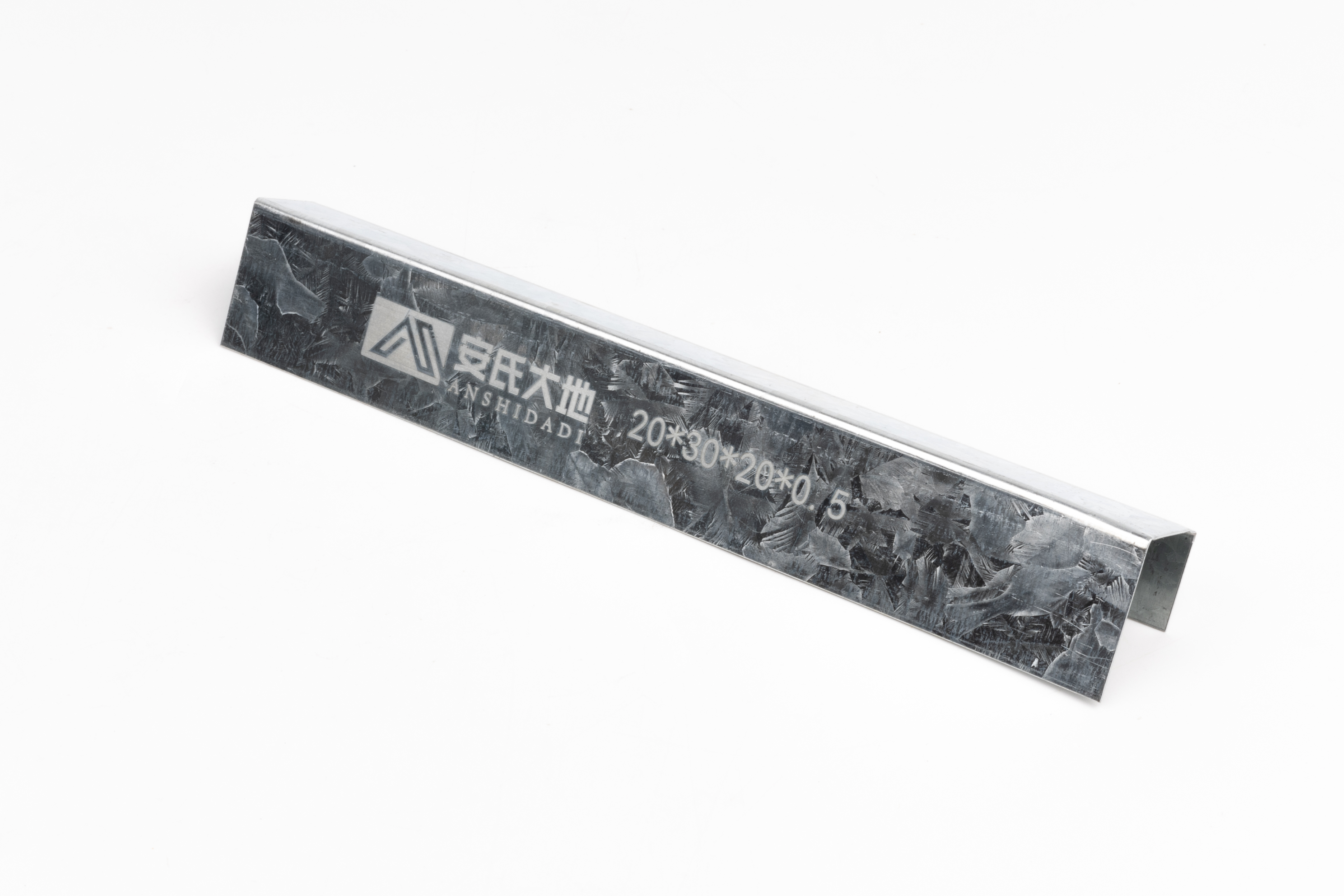
The metal stud manufacturing process involves precision cold forming of high-strength steel coils into standardized profiles that meet rigorous structural specifications. This meticulous process ensures that every metal stud component maintains exact dimensional tolerances and material consistency, eliminating the variability inherent in traditional building materials. The result is a reliable, code-compliant structural system that engineers can confidently specify for demanding applications where performance cannot be compromised and safety margins must remain predictable throughout the building lifecycle.
Strength-to-Weight Advantages of Metal Stud Systems
Superior Load-Bearing Capacity
Metal stud construction delivers exceptional load-bearing performance while maintaining a dramatically reduced material weight compared to conventional steel or concrete alternatives. Each metal stud component is engineered to maximize moment resistance and shear capacity through strategically designed flanges, webs, and edge stiffeners that distribute forces efficiently. The cold forming process creates inherent strength characteristics that allow a single metal stud to support substantial loads across longer spans, reducing the quantity of structural members required and minimizing overall frame weight. This strength advantage translates directly into reduced foundation requirements, lower material costs, and faster installation schedules that accelerate project timelines.
Optimized Section Properties
The engineering sophistication embedded in modern metal stud design enables manufacturers to create profiles with exceptional section moduli and moment of inertia values relative to their physical weight. Cold formed steel technology allows designers to position material precisely where structural stress concentrates, creating metal stud sections that resist bending, buckling, and torsional forces with remarkable efficiency. Advanced software modeling and testing protocols ensure that each metal stud profile meets or exceeds industry standards for specific applications, from light-frame residential construction to heavy-duty industrial racking systems. This optimization means that specifying metal stud components results in leaner structural designs without sacrificing safety margins or performance reliability.
Dimensional Consistency and Manufacturing Precision
Zero-Tolerance Manufacturing Standards
Cold formed steel keel manufacturing operates within exceptionally tight dimensional tolerances that far exceed those achievable through traditional rolling or welding processes. Every metal stud produced emerges from the manufacturing line with consistent depth, flange width, web thickness, and corner radii that align precisely with engineering specifications. This dimensional consistency eliminates the site-level sorting, adjustment, and rework that plagues projects using traditional materials, allowing installation teams to proceed with confidence knowing that each metal stud component will fit perfectly within the assembled frame. The result is faster installation, reduced labor costs, and dramatically improved structural performance due to uniform load distribution across all connections and fastening points.
Quality Assurance Through Continuous Monitoring
Advanced quality control systems track every metal stud component throughout the manufacturing process, capturing real-time data on material properties, dimensional accuracy, and surface condition. These systems employ laser measurement, ultrasonic testing, and mechanical sampling to verify that each metal stud batch meets specification before shipment to project sites. Traceability documentation accompanies every shipment, providing engineers and contractors with confidence that their metal stud materials possess documented material certifications, dimensional reports, and performance test results. This level of manufacturing transparency eliminates surprises during construction and provides defense-grade documentation for regulatory compliance and insurance purposes.
Corrosion Resistance and Long-Term Durability
Protective Coating Systems
Modern metal stud manufacturing incorporates advanced coating technologies that provide exceptional corrosion protection in diverse environmental conditions, from coastal salt spray exposure to aggressive chemical atmospheres. Cold formed steel substrates receive precisely applied metallurgical coatings that adhere uniformly across all surfaces, including inside corners and complex profile geometries where traditional paint systems often fail. These coatings range from standard galvanized finishes for general construction applications to specialized epoxy or polyester systems for industrial environments where chemical or moisture exposure demands enhanced protection. A properly coated metal stud maintains structural integrity and aesthetic appearance throughout decades of service, eliminating costly maintenance cycles and unplanned replacement projects that plague unprotected steel components.
Extended Service Life Economics
The investment in protective coating systems for metal stud components delivers remarkable return through extended service life and elimination of maintenance costs over 50+ year building lifecycles. Unlike wood framing systems that degrade through moisture absorption, insect damage, and biological decay, properly specified metal stud systems remain structurally sound indefinitely when installed with attention to condensation control and drainage principles. Building owners benefit from metal stud durability through reduced insurance claims related to structural failure, eliminated emergency replacements, and maintained property value across extended ownership periods. The long-term economics of metal stud construction strongly favor specifying cold formed steel solutions in applications where durability, reliability, and lifecycle cost represent primary decision criteria.
Installation Efficiency and Project Economics
Rapid Assembly and Connection Speed
Metal stud framing systems enable substantially faster on-site assembly compared to traditional wood or welded steel alternatives, directly reducing labor costs and accelerating project schedules toward completion. Each metal stud component features pre-punched connection holes or compatible fastening surfaces that allow installation teams to progress through assembly sequences with minimal measuring, drilling, or site-specific fabrication. Connection methods for metal stud systems employ standardized screws, welds, or mechanical fasteners that trained crews can install rapidly without specialized equipment or extended setup procedures. These assembly advantages translate into measurable schedule compression, particularly on large-scale projects where labor availability constraints or weather delays might otherwise extend project duration by weeks or months.
Cost Reduction Through Material Efficiency
The structural efficiency of cold formed steel keel manufacturing allows engineers to specify fewer overall components while maintaining or exceeding required structural performance, directly reducing material quantity and associated costs. Where traditional design might require multiple reinforced members or additional bracing to achieve required spans, optimized metal stud systems accomplish identical performance using lighter, less expensive component inventories. Reduced material weight also diminishes transportation costs, equipment requirements for handling and installation, and waste disposal expenses at project conclusion. The cumulative cost savings from material reduction, simplified installation, and accelerated schedules position metal stud construction as economically superior to conventional alternatives across diverse project types and scales.
FAQ
What distinguishes a metal stud from conventional steel framing?
A metal stud is manufactured through cold forming rather than hot rolling, creating superior geometric precision and uniform material properties throughout the component. Cold formed processes allow designers to create complex cross-sectional shapes optimized for specific structural applications, whereas hot rolled steel typically features less precise dimensions and less efficient use of material. The metal stud manufacturing process also enables tighter quality control and more consistent performance characteristics across entire production runs, delivering structural reliability that traditional steel fabrication methods cannot match.
How does metal stud performance compare in seismic applications?
Metal stud systems engineered for seismic conditions provide ductile response characteristics that absorb and dissipate earthquake energy effectively, protecting occupants and preserving building functionality during and after seismic events. The predictable material properties of cold formed steel and the consistent geometry of each metal stud component enable engineers to design connection details and frame configurations that reliably perform under cyclic seismic loading. Testing and research have demonstrated that properly detailed metal stud systems meet or exceed seismic performance requirements established by modern building codes, making this technology increasingly popular in high-risk seismic regions.
Can metal stud components be recycled at end-of-life?
Metal stud materials are fully recyclable and represent exceptional environmental value compared to traditional construction materials, as the steel substrate maintains 100% recycling potential indefinitely without material property degradation through repeated recycle cycles. At building demolition or renovation, every metal stud component can be separated from other materials and processed through standard steel recycling infrastructure, recovering material value while eliminating landfill waste. This recyclability characteristic makes metal stud construction attractive to environmentally conscious owners and aligns with sustainable building certification programs that reward material choices supporting circular economy principles.