
 EN



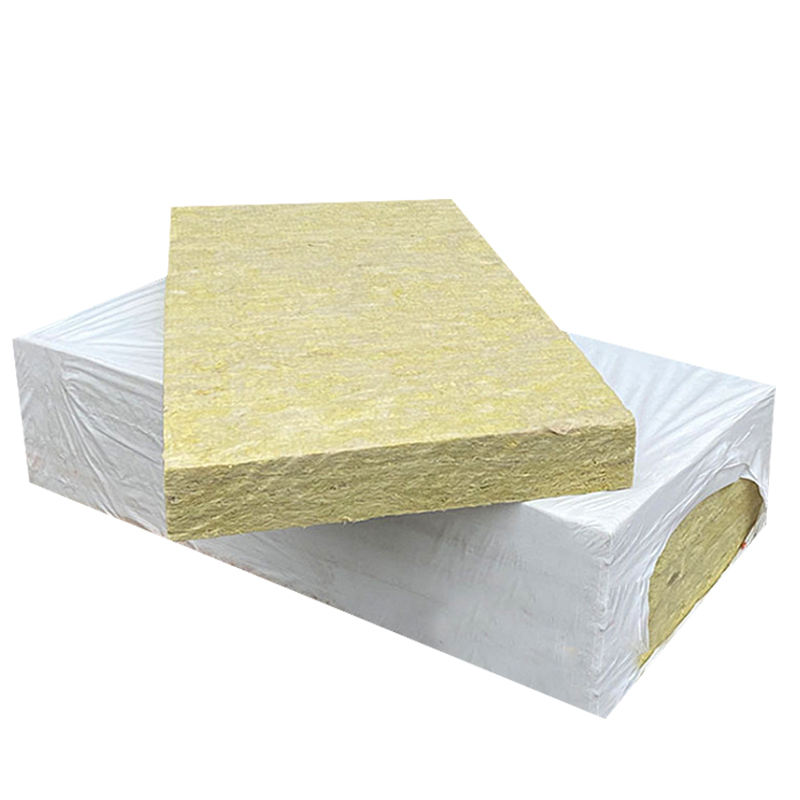
Construction companies across the globe have increasingly turned to hydrophobic rockwool as their preferred insulation solution for both new builds and renovation projects. This material has transformed how the industry approaches thermal control, moisture management, and fire safety in commercial and residential structures. The shift toward rockwool reflects a broader recognition of its exceptional performance characteristics and long-term value proposition for construction stakeholders.
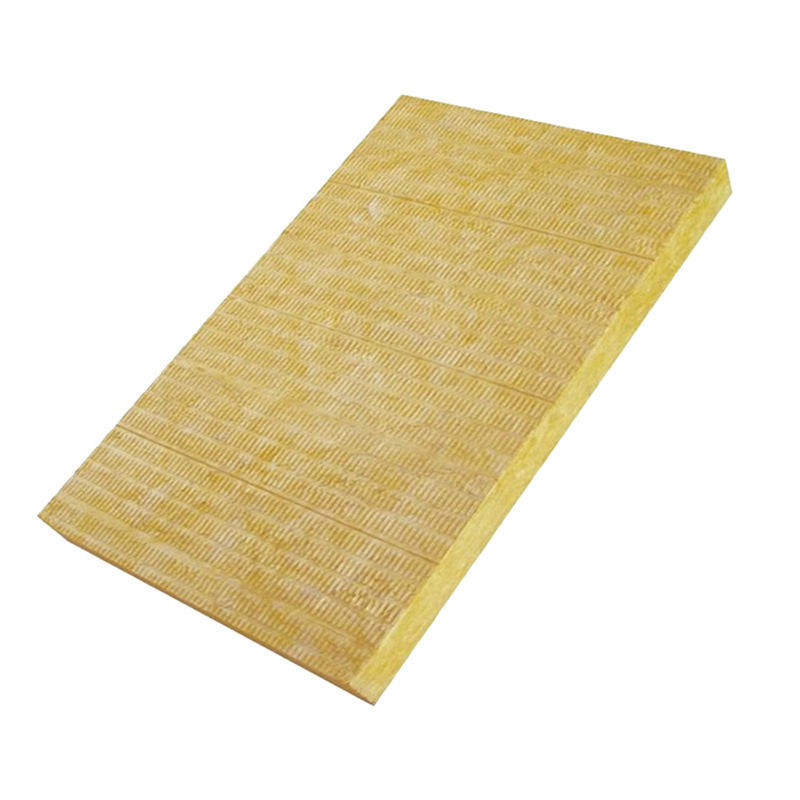
The preference for rockwool among construction professionals stems from its unique combination of technical advantages and practical benefits. Unlike conventional insulation materials, rockwool delivers consistent performance in demanding applications where moisture exposure and high temperatures are routine challenges. Understanding why construction companies choose rockwool requires examining the specific performance metrics, installation advantages, and cost-benefit dynamics that make it the material of choice for architects, builders, and facility managers.
Superior Moisture Resistance and Hydrophobic Properties
Water Repellency in Rockwool
Hydrophobic rockwool is engineered with specialized coating technology that actively repels water while maintaining excellent air permeability. Construction environments frequently expose insulation to moisture from concrete curing, weather infiltration, and atmospheric humidity during the building envelope assembly phase. Standard rockwool can absorb water, which compromises thermal resistance and creates conditions for mold growth and material degradation. Hydrophobic rockwool prevents moisture absorption by up to ninety-five percent, preserving insulation value throughout the building lifecycle.
The hydrophobic treatment applied to rockwool fibers prevents capillary moisture migration, ensuring that water encounters during installation or in-service conditions does not compromise performance. This characteristic is particularly valuable in exterior walls, roof assemblies, and below-grade applications where moisture exposure is inevitable. Construction companies recognize that investing in hydrophobic rockwool eliminates costly remediation work and warranty claims associated with moisture-damaged insulation systems.
Long-Term Durability Benefits
Rockwool products maintain their structural integrity and thermal performance for the entire building lifespan when protected from moisture damage. Construction projects built with hydrophobic rockwool exhibit minimal settling, compression loss, or performance degradation over decades of service. Building code officials and insurance underwriters favor rockwool because its proven durability track record reduces liability exposure and ensures compliance with evolving energy efficiency standards.
The dimensional stability of rockwool is particularly important in multi-story commercial buildings where thermal cycling, wind pressure, and vibration stress insulation systems throughout their operational life. Hydrophobic rockwool resists these stresses without losing effectiveness, making it ideal for exposed applications and ventilated cavities where conventional insulation materials would fail prematurely.
Fire Performance and Safety Compliance
Non-Combustible Fire Rating
Construction codes increasingly mandate fire-resistant materials in commercial buildings, institutional facilities, and multi-family residential structures. Rockwool is classified as non-combustible with a melting point exceeding three thousand degrees Fahrenheit, fundamentally outperforming organic insulation products in fire scenarios. Insurance companies and code enforcement bodies recognize rockwool as a superior choice because it does not contribute to flame spread or smoke development.
The fire safety properties of rockwool translate into tangible economic benefits for construction companies through lower insurance premiums, simplified code approvals, and reduced fire-stop installation requirements. When rockwool is specified, architects can reduce fire-barrier complexity in certain assemblies, lowering material costs and installation labor while maintaining or exceeding safety standards.
Thermal Barrier Functionality
Hydrophobic rockwool acts as an effective thermal barrier that slows heat transfer during fire events, providing critical additional time for occupant evacuation and emergency response. Construction professionals understand that this life-safety benefit justifies the material cost differential, particularly in healthcare facilities, schools, and commercial towers where occupant safety is paramount.
The combination of rockwool's fire performance and smoke suppression characteristics has established it as the standard material in cavity fill applications for exterior wall systems in high-rise construction. Building owners and project managers prioritize rockwool because it delivers both immediate safety compliance and long-term risk reduction for their assets.
Thermal Performance and Energy Efficiency
Consistent R-Value Retention
Construction companies specify rockwool because its thermal resistance remains stable throughout the building's operational life, unlike some alternative insulation materials that settle or compress over time. The fiber structure of rockwool naturally resists compressive forces, maintaining its installed R-value and ensuring that energy performance projections remain accurate for thirty years or longer.
Energy code compliance has become increasingly stringent, requiring insulation materials that sustain thermal performance under real-world conditions. Rockwool delivers this consistency, allowing construction teams to confidently design building envelopes that meet current energy standards without over-specifying material thickness or incurring unnecessary costs.
Acoustic Benefits and Vibration Control
Beyond thermal insulation, rockwool provides exceptional acoustic attenuation properties that reduce exterior noise transmission and interior sound propagation. Construction professionals appreciate that specifying rockwool satisfies multiple performance requirements simultaneously—thermal resistance, fire safety, moisture control, and sound absorption—reducing the complexity of multi-layer assembly design.
This multi-functional capability makes rockwool particularly valuable in urban construction projects where noise regulation compliance and occupant comfort are critical success factors. The acoustic performance of rockwool contributes to premium building positioning and market competitiveness.
FAQ
What makes hydrophobic rockwool different from standard rockwool insulation?
Hydrophobic rockwool incorporates water-repellent coatings that prevent moisture absorption while maintaining vapor permeability. Standard rockwool can absorb water, which reduces thermal efficiency and promotes mold growth. Hydrophobic rockwool preserves performance in wet environments and extends material lifespan significantly.
Is rockwool safe to handle during construction installation?
Rockwool is non-toxic and poses minimal respiratory risk when proper installation practices are followed. Construction workers should wear standard personal protective equipment including gloves and dust masks to minimize fiber inhalation. Rockwool does not off-gas harmful chemicals and poses no indoor air quality concerns after installation.
How does rockwool cost compare to other commercial insulation materials?
While rockwool typically costs more per unit than fiberglass alternatives, its superior durability, fire performance, and moisture resistance deliver better long-term value. Construction companies recover the initial cost premium through reduced maintenance, lower insurance expenses, and extended building lifespan. Energy efficiency improvements also generate operational savings that justify the material investment.