
 EN



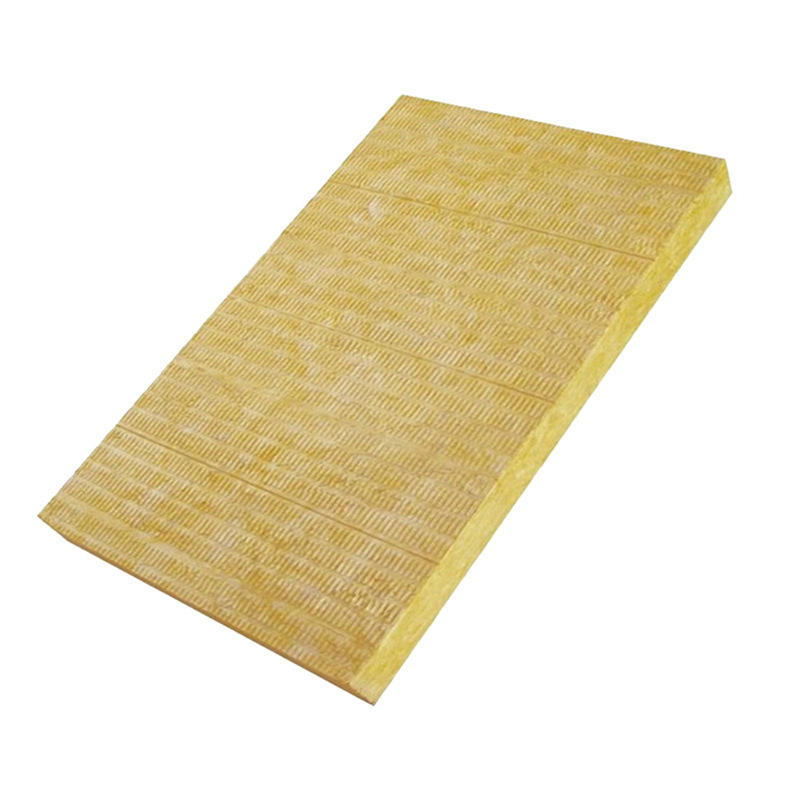
Achieving consistent fiber density is one of the most critical challenges in rockwool production. Manufacturers worldwide rely on precise control mechanisms to ensure that every batch of rockwool meets strict industry standards and customer expectations. The fiber density of rockwool directly impacts its thermal insulation performance, mechanical strength, fire resistance, and long-term durability. When rockwool factories fail to maintain consistent fiber density, the resulting material may exhibit poor thermal performance, reduced fire protection, or structural weakness. This article explores how leading rockwool producers implement systematic approaches to achieve and maintain consistent fiber density throughout their manufacturing operations.
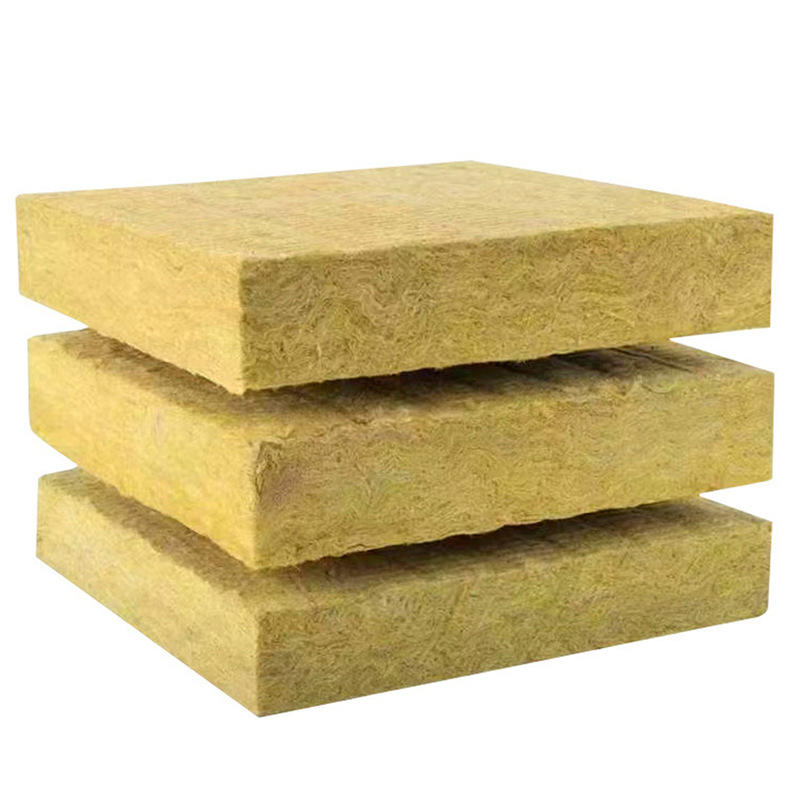
The process of maintaining consistent fiber density in rockwool production requires coordination across multiple stages: raw material selection, melting and fiber formation, collection and compression, and final quality verification. Each stage introduces variables that can affect the final density profile of the rockwool. Understanding these variables and implementing robust control systems allows factories to deliver rockwool products with predictable performance characteristics that customers can reliably depend upon for their insulation and fire protection applications.
Raw Material Consistency and Initial Processing
Selection and Preparation of Rockwool Base Materials
The foundation of consistent fiber density begins with rigorous raw material management. Rockwool manufacturers source basalt, limestone, and coke in precisely measured quantities. Variations in raw material composition directly influence how the mixture melts and subsequently forms fibers. Quality suppliers provide materials with documented chemical compositions and consistent particle sizes. Before entering the furnace, these materials are screened, dried, and blended according to formulated recipes developed specifically to achieve target rockwool density specifications. This preparation phase eliminates contaminants and ensures uniform melting behavior throughout the production batch.
Furnace Temperature Control and Melt Quality
The furnace environment profoundly affects rockwool fiber formation. Maintaining precise furnace temperatures between 1500 and 1600 degrees Celsius ensures that the raw materials melt completely and reach the correct viscosity for fiber spinning. Rockwool factories employ advanced pyrometry systems that continuously monitor furnace temperature at multiple points. When furnace temperature fluctuates, the rockwool melt becomes either too stiff to spin or too fluid, both conditions compromising fiber diameter uniformity and final density. Thermal feedback controls automatically adjust burner output to maintain stable temperatures, allowing consistent melt properties to flow into the fiber formation stage where rockwool fibers are actually created.
Fiber Formation and Collection Methods
Controlled Spinning and Air Blast Systems
Once the melt reaches optimal viscosity, it flows to spinning cups or wheels where centrifugal force and air jets transform the liquid into individual rockwool fibers. The diameter and length of these fibers directly determine the final rockwool density profile. Modern facilities use calibrated air pressure systems that deliver consistent blast force, breaking the melt stream into uniform fiber segments. Rockwool factories adjust air pressure based on melt temperature, flow rate, and target fiber diameter. Higher air pressure produces finer fibers and contributes to higher rockwool density, while lower pressure creates coarser fibers and lower density. Maintaining this balance through automated pressure regulators ensures that every batch of rockwool fibers exhibits consistent characteristics.
Collection Efficiency and Density Formation
After fiber formation, the newly created rockwool fibers fall onto collection belts where they begin to bond together naturally through retained heat and chemical binders. The collection zone design critically influences how rockwool fibers pack and interlock. Factories control the collection belt speed, air permeability, and temperature profile to achieve target fiber density. If the collection process occurs too quickly, rockwool fibers may not settle uniformly, creating density variations. If collection occurs too slowly, fibers over-compress and rockwool density becomes inconsistent across the mat thickness. Modern manufacturing facilities employ real-time density sensors during collection to detect deviations and trigger corrective actions before defective rockwool material completes the line.
Compression, Curing, and Final Density Verification
Controlled Compression and Thermal Curing
After initial collection, the rockwool mat passes through compression rollers that consolidate the fiber structure to predetermined thickness and density targets. Rockwool factories calibrate roller pressure based on fiber characteristics and desired final density. The compression stage must be carefully controlled because excessive force creates brittle rockwool with poor resilience, while insufficient pressure leaves the material weak and prone to settling. Following compression, the rockwool enters curing ovens where heat activates the organic binders that permanently bond individual fibers together. Temperature and residence time in these curing chambers are tightly controlled to ensure uniform binder curing throughout the rockwool cross-section, which is essential for achieving consistent mechanical properties and maintaining density stability over the product lifecycle.
Density Measurement and Quality Assurance
Leading rockwool manufacturers implement multi-stage density verification protocols. After curing, the rockwool passes through automated measurement systems that record thickness and weight at multiple points across the full width of the material. These measurements calculate actual density and compare results against specification ranges. If the rockwool density falls outside acceptable limits, advanced facilities automatically divert the material for reprocessing or adjustment. Manual sampling also occurs at regular intervals; technicians cut sections of cooled rockwool, determine volume and weight, and verify that measured density aligns with automated readings. This redundant verification approach catches density deviations that might otherwise ship to customers, protecting brand reputation and ensuring that delivered rockwool performs as intended in insulation and fire safety applications.
FAQ
Why does consistent fiber density matter so much in rockwool products?
Consistent fiber density directly determines the thermal conductivity, fire performance, acoustic absorption, and compressive strength of rockwool insulation. When rockwool density varies, these performance characteristics become unpredictable. Construction professionals and building codes require rockwool to meet specific performance thresholds. If some sections of rockwool have higher density and others lower, the overall system performance degrades. Additionally, lower-than-intended rockwool density may fail fire rating tests, while higher density reduces cost efficiency without providing added value, increasing the cost per unit of actual performance.
What tools do rockwool factories use to monitor fiber density during production?
Modern rockwool manufacturing facilities employ laser-based thickness sensors, weight per unit area scales, and infrared temperature monitoring systems throughout the production line. Real-time data from these instruments feeds into central control systems that compare actual measurements against target density specifications. If detected rockwool density deviates, the control system sends signals to adjust air pressure during spinning, compression roller force, or collection belt speed. Many facilities also use statistical process control software that tracks density trends over hours and shifts, alerting operators to gradual drift before rockwool quality becomes unacceptable. Laboratory analysis of samples provides independent verification of automated readings.
How do raw material variations affect rockwool density consistency?
Different sources and batches of basalt and limestone have varying mineral compositions, moisture content, and particle size distributions. These variations affect how quickly the materials melt, the resulting melt viscosity, and the flow characteristics into the fiber spinning stage. When rockwool factories receive basalt with coarser particles or higher moisture, the melting profile changes, which subsequently affects fiber diameter and collection density. This is why advanced manufacturers maintain strict supplier specifications, test incoming raw materials before accepting delivery, and adjust furnace parameters based on measured raw material characteristics to compensate for variations and maintain consistent rockwool fiber density regardless of minor raw material fluctuations.