
 EN



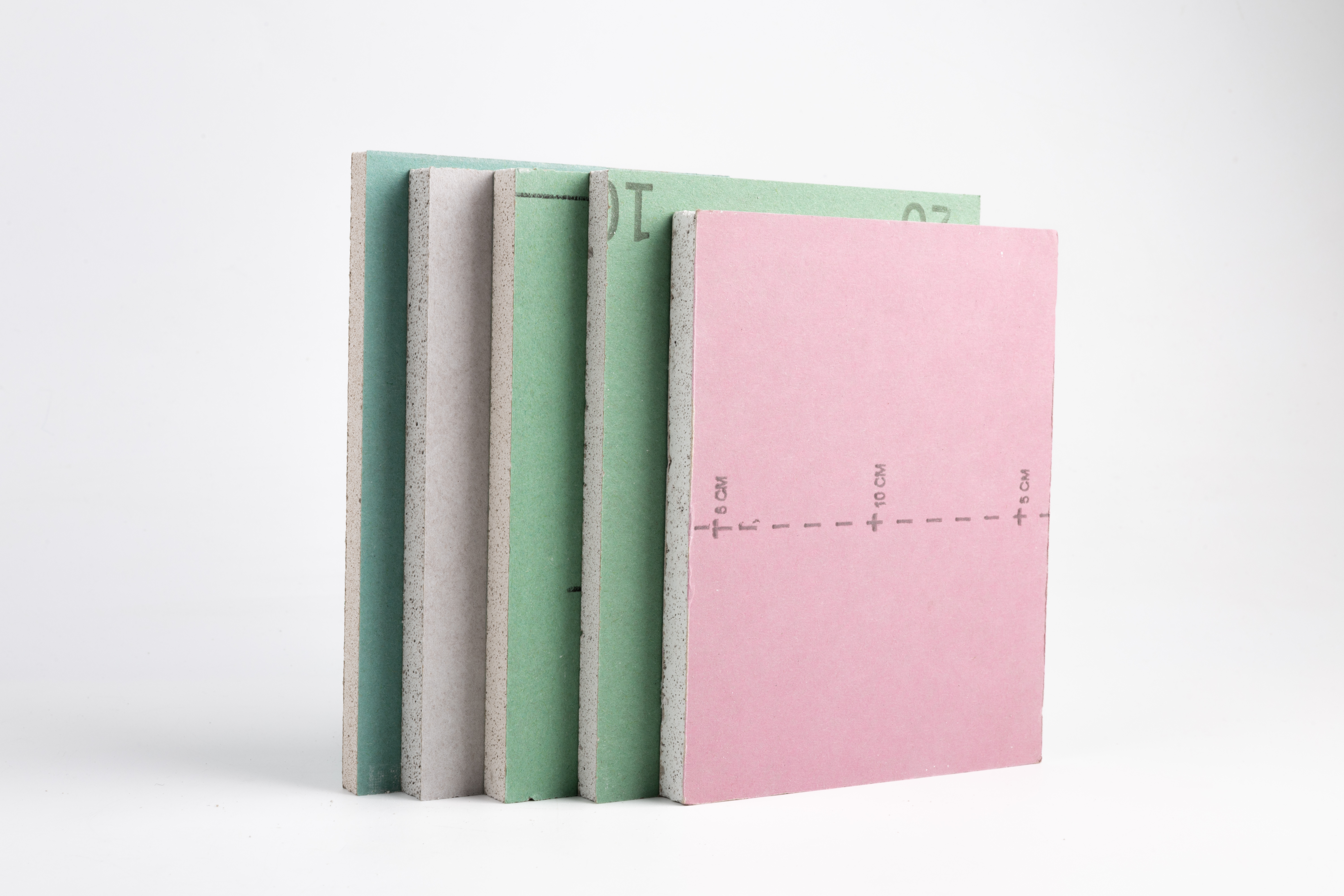
Wet area construction demands materials that can withstand constant exposure to moisture without deteriorating, failing structurally, or developing mold. Waterproof drywall has become the industry standard for bathrooms, kitchens, laundry rooms, and other high-humidity spaces because it combines the workability of traditional drywall with advanced moisture-resistant properties. Unlike standard drywall, which absorbs water and breaks down when exposed to sustained dampness, waterproof drywall is engineered with a moisture-resistant core and treated surface that prevents water penetration and mold growth. This makes waterproof drywall an essential component of any professional wet area construction project.
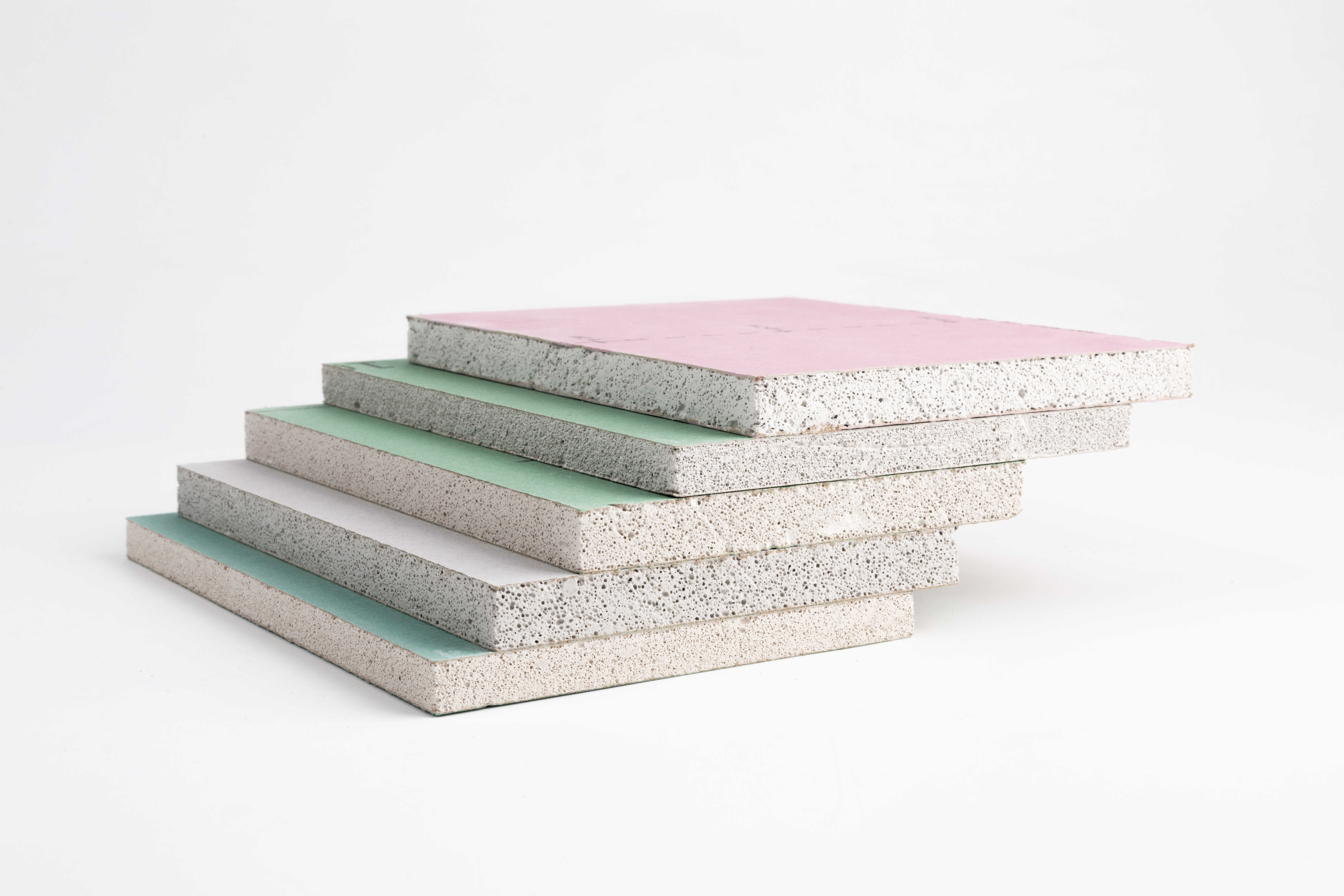
Choosing the right waterproof drywall product ensures your wet area construction remains structurally sound and visually intact for decades. Properly installed waterproof drywall prevents costly water damage, eliminates the need for expensive remediation, and maintains indoor air quality by blocking moisture that leads to mold and mildew. Understanding the composition, installation techniques, and maintenance requirements of waterproof drywall empowers builders, contractors, and property owners to make informed decisions that protect both investment and occupant health.
Understanding Waterproof Drywall Composition and Performance
Core Material and Moisture Resistance
Waterproof drywall differs fundamentally from standard drywall in its internal structure and surface treatment. The core of waterproof drywall is made from a specialized gypsum compound that resists water absorption, unlike the cellulose-based core of conventional drywall which readily absorbs moisture. This waterproof drywall core is often reinforced with glass mesh or fiberglass, which strengthens the material and further resists water infiltration. The face and back papers of waterproof drywall are also chemically treated to repel moisture and prevent the growth of mold and mildew on the surface.
Thickness and Application Flexibility
Waterproof drywall is typically available in standard thicknesses of 1/2 inch and 5/8 inch, matching conventional drywall dimensions for compatibility with existing framing and installation systems. The 5/8-inch waterproof drywall is generally preferred in wet areas because it offers greater fire resistance and superior moisture protection. Waterproof drywall can be applied over wood or metal studs and is compatible with standard fasteners, making it a seamless choice for contractors already familiar with drywall installation. The flexibility of waterproof drywall in thickness and finish options allows builders to optimize performance based on specific moisture exposure levels and building codes.
Installation Best Practices for Wet Area Construction
Framing and Moisture Barriers
Before installing waterproof drywall, the underlying wall structure must be properly prepared to create a complete moisture defense system. A moisture barrier such as polyethylene sheeting or building wrap should be installed behind the waterproof drywall to prevent moisture from migrating into the wall cavity. Waterproof drywall works most effectively when combined with these complementary moisture control measures, creating a layered defense that protects framing, insulation, and the structural integrity of the building envelope. Using corrosion-resistant metal studs with waterproof drywall eliminates the risk of rust and wood rot in high-moisture environments.
Fastening and Taping Techniques
Waterproof drywall must be fastened with corrosion-resistant screws or galvanized nails to prevent rust stains and material degradation over time. Spacing fasteners 12 to 16 inches apart, as recommended for standard drywall, maintains structural integrity while minimizing the number of potential water entry points through the waterproof drywall surface. Tape and joint compound applied over waterproof drywall should also be moisture-resistant, as regular joint compound can absorb water and fail at seams. All seams in waterproof drywall installations should be sealed completely, with multiple coats of moisture-resistant joint compound to ensure that no moisture penetrates the finished surface.
Benefits and Long-Term Value of Waterproof Drywall
Prevention of Structural Damage and Mold Growth
The primary advantage of waterproof drywall in wet area construction is its ability to prevent the structural damage that results from sustained moisture exposure. Standard drywall begins to deteriorate within hours of direct water contact, leading to warping, softening, and collapse that requires complete replacement. Waterproof drywall maintains its structural properties even when exposed to high humidity and occasional splashing, dramatically extending the usable life of walls in bathrooms, kitchens, and laundry facilities. By preventing water absorption, waterproof drywall eliminates the moist environment that promotes mold and mildew growth, protecting both the building materials and the health of occupants.
Cost Effectiveness and Reduced Maintenance
While waterproof drywall typically costs more upfront than standard drywall, the long-term savings justify the investment by eliminating expensive water damage repairs and mold remediation. A single incident of water damage to standard drywall in a wet area can require complete wall replacement, removal of damaged framing, and treatment for mold, costs that easily exceed the price difference of installing waterproof drywall initially. Waterproof drywall reduces maintenance requirements because the material does not require painting, coating, or sealing treatments to maintain moisture resistance. Building owners who install waterproof drywall experience fewer tenant complaints, lower repair budgets, and higher property values compared to properties with standard drywall in wet areas.
Practical Applications Across Building Types
Residential Bathrooms and Kitchens
Residential bathrooms are the most common application for waterproof drywall because shower enclosures, sinks, and ventilation systems create sustained high-humidity conditions. Waterproof drywall installed in shower surrounds, behind vanities, and around bathtubs prevents water damage that could compromise structural integrity and create hidden mold problems. Kitchen wet walls, particularly areas behind sinks and dishwashers, benefit from waterproof drywall because these zones experience regular water splash and steam exposure. Waterproof drywall in residential wet areas meets building codes in most jurisdictions and provides homeowners with lasting protection against moisture-related failures.
Commercial and Institutional Settings
Commercial applications of waterproof drywall include hotel bathrooms, restaurant kitchens, gymnasium locker rooms, and healthcare facility bathrooms where high occupancy and frequent cleaning create intensive moisture conditions. Waterproof drywall in these environments must meet commercial building codes and fire safety standards while providing superior moisture protection. Institutional laundries, pool areas, and industrial kitchens represent extreme-moisture applications where waterproof drywall combined with additional waterproofing systems ensures material durability and operational reliability. Specification of waterproof drywall in commercial projects reduces lifecycle costs and liability exposure by ensuring that wall systems remain functional throughout the building's intended service life.
FAQ
Is waterproof drywall required in all bathroom installations?
Waterproof drywall is strongly recommended for any bathroom wall that will be exposed to moisture, and it is often required by building codes in areas behind showers, tubs, and in spaces with high humidity. While waterproof drywall may not be legally mandated in every jurisdiction for all bathroom walls, building code officials and experienced contractors universally recommend using waterproof drywall in wet areas to avoid future water damage and mold problems. Some building codes specify waterproof drywall only in specific zones such as shower surrounds, but best practices extend waterproof drywall coverage to the entire bathroom to ensure comprehensive protection.
Can waterproof drywall be finished with standard paint and wallpaper?
Waterproof drywall can be finished with moisture-resistant paint and wallpaper, though standard interior finishes are not recommended because they may trap moisture against the waterproof drywall surface. Moisture-resistant primers and paints allow the waterproof drywall to breathe while protecting the surface from dirt and mildew stains. Wallpaper applied over waterproof drywall should be moisture-resistant vinyl or fiberglass-backed wallpaper that resists mold and does not trap moisture. The key to successful finishing of waterproof drywall is ensuring that the final surface treatment complements rather than undermines the moisture-resistant properties of the underlying material.
How does waterproof drywall compare to traditional tile backing board in wet areas?
Waterproof drywall and cement-based tile backing board serve different functions in wet area construction, with waterproof drywall typically used for non-tiled walls and tile backing board reserved for areas that will receive tile finishes. Waterproof drywall provides excellent moisture protection and is more cost-effective than specialized tile backing boards when a painted or smooth finish is desired. Tile backing boards are engineered specifically to support heavy tile loads and resist water penetration from behind tiles, making them the superior choice where tile will be adhered to the surface. In comprehensive wet area construction, both materials often work together, with waterproof drywall protecting painted wall surfaces and tile backing boards supporting tiled areas such as shower surrounds.