
 EN


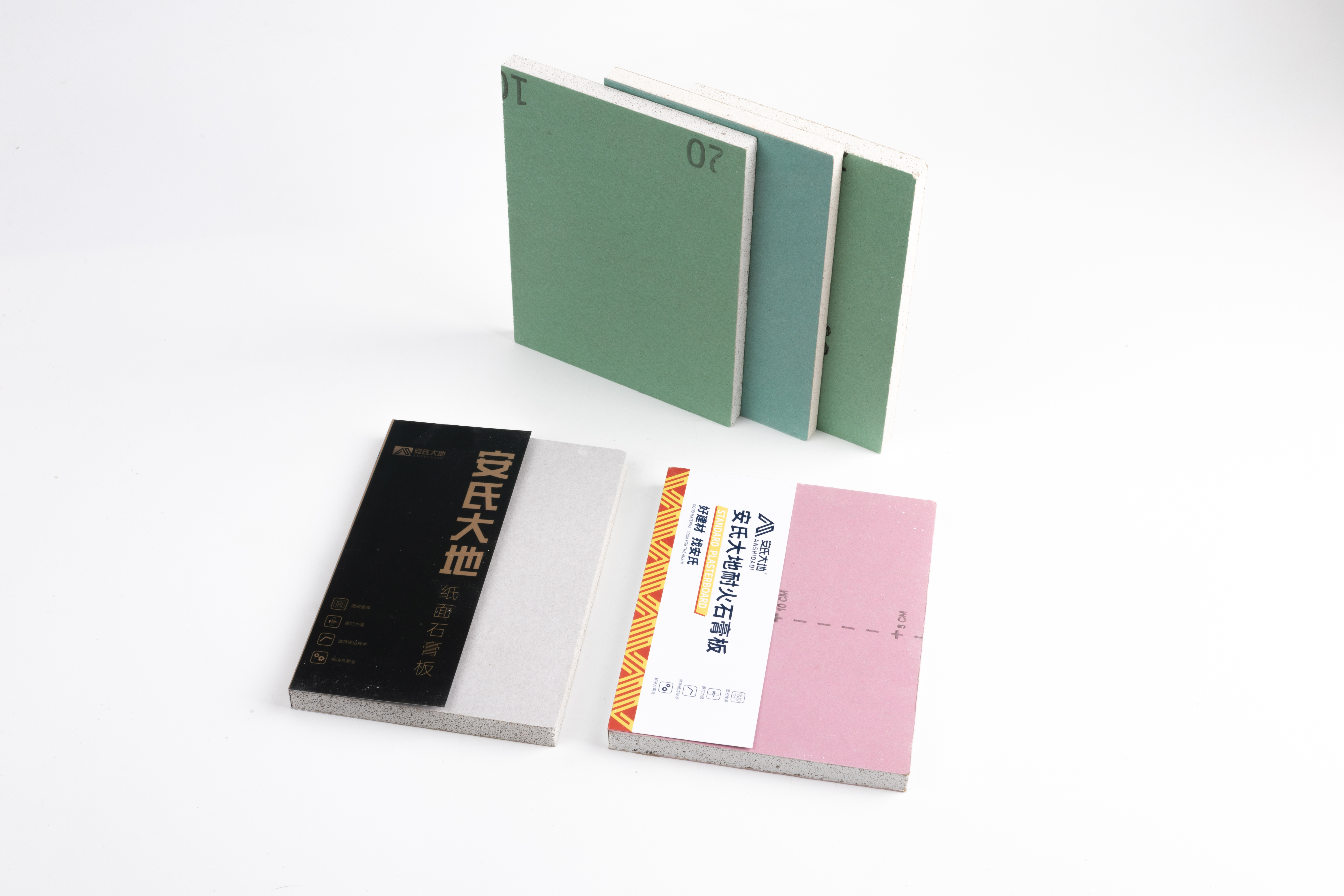
Managing waterproof drywall quality during continuous production requires rigorous oversight and proven control methodologies. Moisture-resistant gypsum products demand consistent adherence to specifications throughout every manufacturing stage, from raw material selection through final packaging. Modern production facilities depend on systematic quality control frameworks to ensure that each batch of waterproof drywall meets performance standards and industry regulations. This article explores the essential practices, testing protocols, and operational strategies that manufacturers use to maintain excellence in waterproof drywall output.
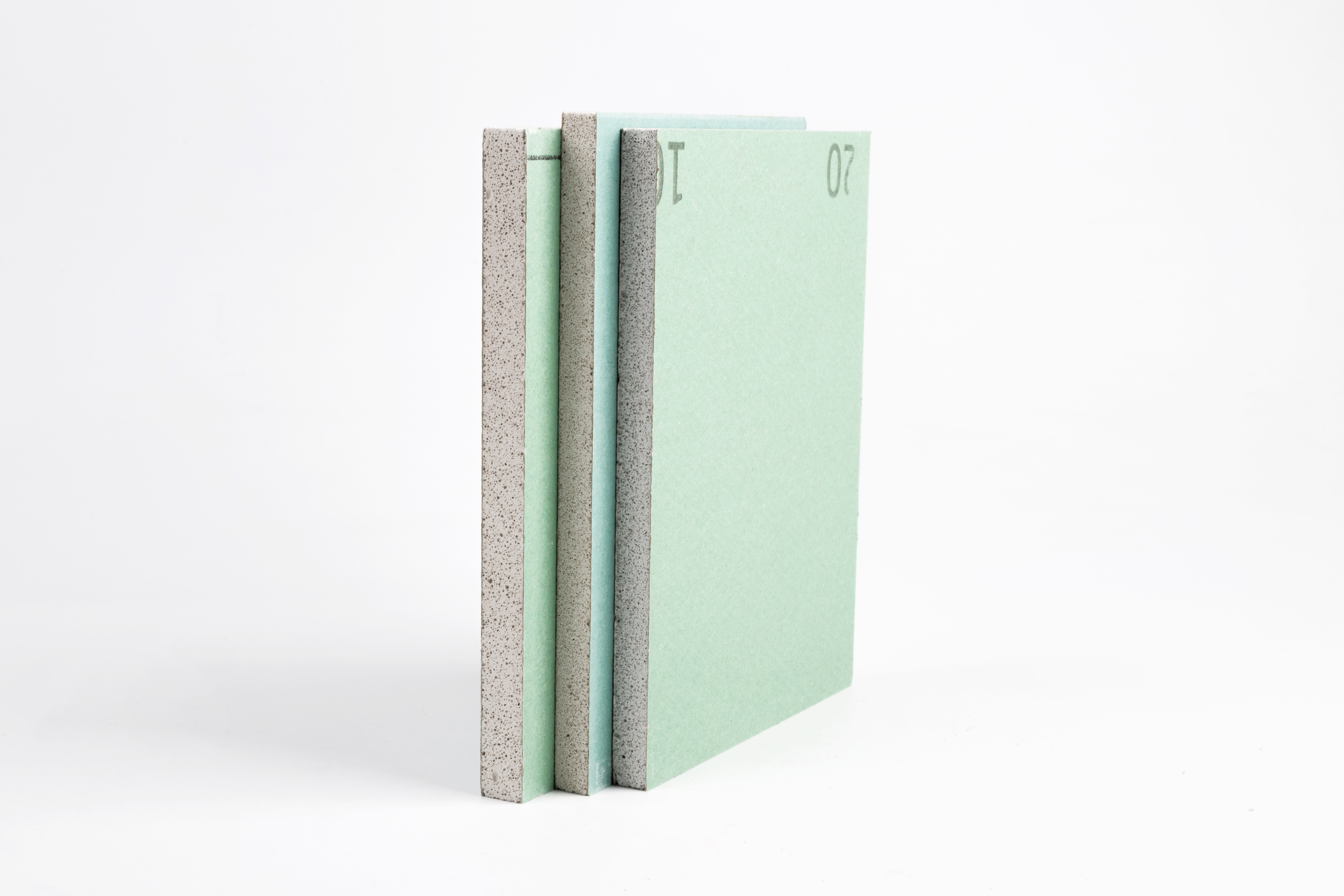
Waterproof drywall represents a critical advancement in building materials, combining traditional gypsum board advantages with enhanced moisture resistance. Production quality directly impacts end-user performance, structural longevity, and building safety. Manufacturers face pressure to balance production speed with precision, ensuring that waterproof drywall consistently delivers water-barrier effectiveness across high-volume runs. Implementing comprehensive quality control protocols transforms this challenge into a competitive advantage and revenue protection strategy.
Raw Material Selection and Verification
Moisture-Barrier Additive Standards
The foundation of superior waterproof drywall begins with raw material quality. Gypsum core composition, silica additives, and moisture-barrier chemicals must meet strict specifications before production commences. Manufacturers verify that each incoming shipment of gypsum meets density and purity requirements through laboratory analysis. The waterproof drywall formula depends critically on consistent additive performance, making supplier qualification and incoming inspection non-negotiable control points. Testing protocols should include moisture absorption rates, chemical composition verification, and batch-to-batch consistency checks.
Paper Facing and Coating Assessment
Paper facings used on waterproof drywall require special attention because they provide the first line of defense against moisture penetration. Quality control teams measure paper thickness, tensile strength, and coating uniformity using calibrated instruments. The waterproof drywall facing materials must resist saturation while maintaining structural integrity and workability on job sites. Environmental chambers simulate field conditions to validate paper performance before these materials proceed into production runs. Defective facing materials directly compromise the entire waterproof drywall batch, making this verification step essential for maintaining product integrity.
Production Process Monitoring and Control
Core Extrusion and Density Management
During continuous production, waterproof drywall undergoes precise extrusion to achieve target density and moisture-resistance properties. Operators monitor extrusion pressure, feed rate, and core temperature in real-time using automated sensors integrated into production lines. Density variations affect the waterproof drywall's ability to resist moisture penetration and structural performance, making consistency critical. Quality control personnel conduct random core sampling at regular intervals, measuring density and moisture content to confirm specifications compliance. Deviations trigger immediate process adjustments, preventing defective waterproof drywall from advancing through production stages.
Moisture Barrier Application Precision
The waterproof drywall manufacturing process includes specialized coating application stages that differentiate moisture-resistant products from standard gypsum board. Automated spray systems apply protective coatings uniformly across board surfaces, and laser measurement systems verify coating thickness within tight tolerances. Uneven application compromises waterproof drywall performance, particularly in high-moisture environments such as bathrooms and commercial kitchens. Real-time optical inspection systems detect coating defects immediately, enabling automatic rejection or rework before the waterproof drywall reaches packaging. Temperature and humidity controls in the application zone ensure consistent coating behavior throughout production shifts.
Testing, Inspection, and Performance Validation
Water Absorption and Moisture Resistance Testing
Waterproof drywall must demonstrate measurable water-resistance performance that exceeds industry standards and customer expectations. Manufacturers conduct water absorption tests following standardized protocols, submerging samples and measuring weight gain over specified periods. The waterproof drywall passes only when moisture absorption falls below defined thresholds, typically 5 to 10 percent depending on regional building codes. Accelerated aging tests simulate years of environmental exposure in controlled laboratory settings, validating that waterproof drywall maintains protective qualities long-term. These destructive tests consume samples but generate essential data that supports product claims and regulatory compliance documentation.
Dimensional Accuracy and Structural Integrity Checks
Waterproof drywall boards must maintain precise dimensions to ensure proper fit during installation and maintain structural interfaces. Quality control personnel measure board length, width, and thickness using calibrated equipment at multiple points along each board. The waterproof drywall also undergoes flexural strength testing to confirm it withstands impact, vibration, and mounting loads without failure. Moisture exposure can alter board dimensions slightly, so finished waterproof drywall undergoes dimensional verification after accelerated conditioning cycles. Edge quality inspection ensures that waterproof drywall arrives at job sites free from damage that would compromise installation and long-term performance.
Adhesive Performance and Surface Treatment Validation
Surface treatments applied to waterproof drywall significantly influence installation performance and aesthetic outcomes. Adhesive bond strength tests confirm that joint compounds and fasteners perform adequately over extended periods in moisture-prone environments. The waterproof drywall requires validation that surface treatments resist mold growth, maintain paintability, and support standard finishing processes. Quality control teams conduct pull-off adhesion tests on representative waterproof drywall samples from each production run. These tests generate objective data that demonstrates waterproof drywall meets or exceeds performance expectations established during product development and market introduction.
Documentation, Traceability, and Continuous Improvement
Batch Tracking and Regulatory Compliance
Comprehensive documentation systems connect each waterproof drywall batch to raw material sources, production parameters, and test results. Traceability enables rapid response if performance issues emerge in the field, allowing manufacturers to identify affected waterproof drywall units and implement corrective actions. Quality control records support warranty claims, regulatory audits, and insurance documentation requirements. The waterproof drywall manufacturing facility maintains detailed logs of production conditions, equipment calibration dates, and personnel certifications. This documentation transforms waterproof drywall production from a black-box process into a transparent, auditable system that protects manufacturer reputation and customer confidence.
Statistical Process Control and Process Optimization
Statistical analysis of waterproof drywall quality metrics identifies trends, patterns, and improvement opportunities before defects occur. Control charts track key performance indicators including moisture content, density, water absorption, and dimensional accuracy across production runs. The waterproof drywall manufacturing team uses this data to optimize process parameters, reduce variability, and enhance consistency. Predictive analytics applied to historical waterproof drywall data enable proactive maintenance scheduling, preventing equipment drift that degrades product quality. Continuous improvement methodologies ensure that waterproof drywall quality standards increase over time rather than remaining static.
FAQ
What testing methods prove that waterproof drywall meets moisture resistance claims?
Manufacturers validate waterproof drywall performance through standardized water absorption tests, accelerated aging simulations, and long-term moisture exposure studies. These tests measure weight gain, dimensional changes, and structural property retention after controlled moisture exposure. Independent third-party testing laboratories verify waterproof drywall claims, providing unbiased documentation that supports product certifications and regulatory compliance. The combination of laboratory validation and field performance data establishes credibility and user confidence in waterproof drywall products.
How frequently should quality control testing occur during continuous waterproof drywall production?
Quality control sampling intervals depend on production volume, equipment reliability, and regulatory requirements for waterproof drywall. Best practices call for continuous real-time monitoring supplemented by physical sampling every 30 to 60 minutes during production shifts. The waterproof drywall must undergo destructive testing of representative samples from each shift, with additional sampling triggered by process parameter deviations. Documentation of all waterproof drywall testing creates historical records that demonstrate consistent adherence to specifications and support continuous improvement initiatives.
What causes waterproof drywall quality failures and how can manufacturers prevent them?
Common waterproof drywall failures result from inadequate additive incorporation, coating application inconsistencies, and substandard raw materials. Manufacturers prevent waterproof drywall defects through rigorous incoming material verification, automated production monitoring, and equipment maintenance protocols. Training programs ensure that waterproof drywall production personnel understand quality control requirements and recognize process abnormalities. Root cause analysis following any waterproof drywall quality incident informs process modifications that eliminate recurrence and strengthen overall quality assurance systems.