exposed ceiling grid
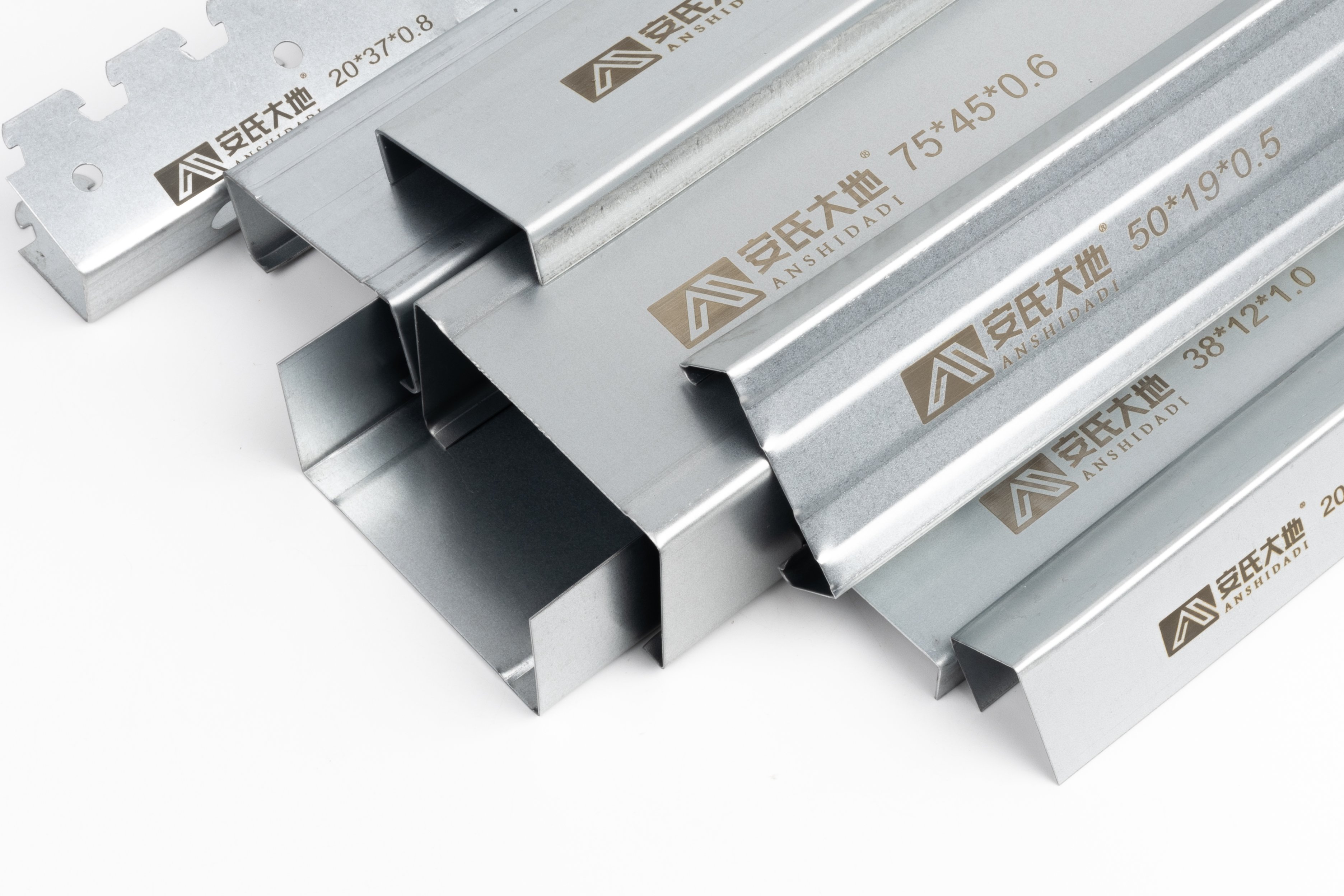
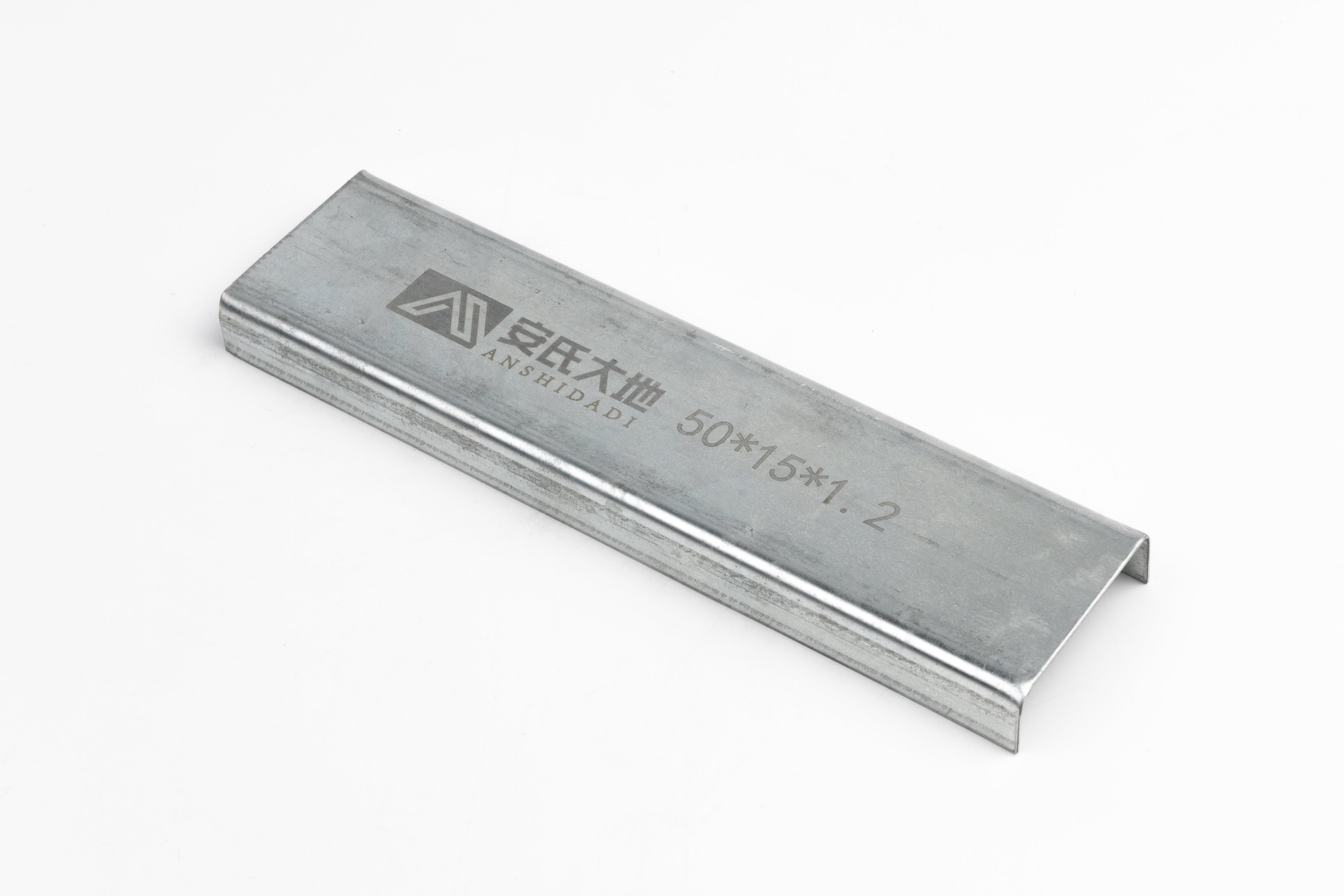
An exposed ceiling grid represents a modern architectural solution that transforms interior spaces with both functional and aesthetic appeal. This open framework system consists of suspended metal channels or aluminum rails that support various ceiling components while remaining visibly integrated into the room's design. The exposed ceiling grid serves multiple purposes beyond its structural role, offering practical advantages that appeal to contemporary commercial and residential settings.
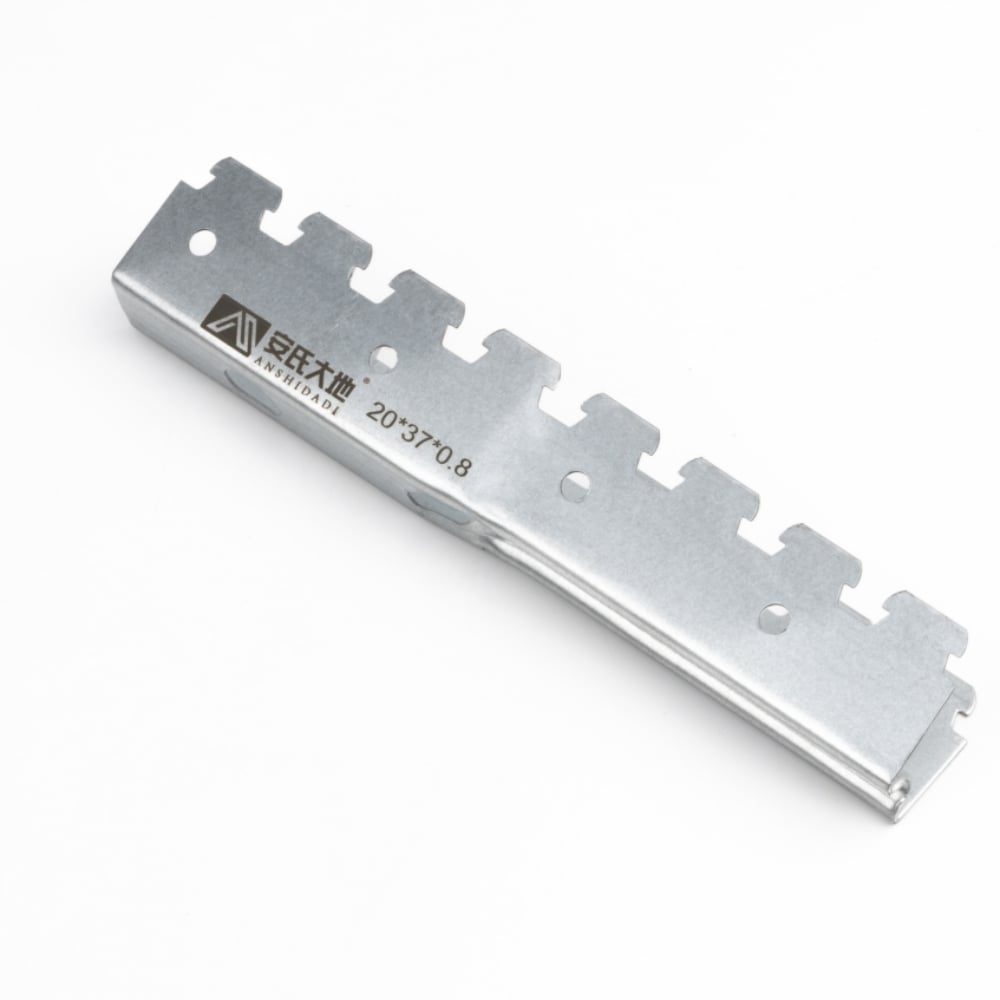
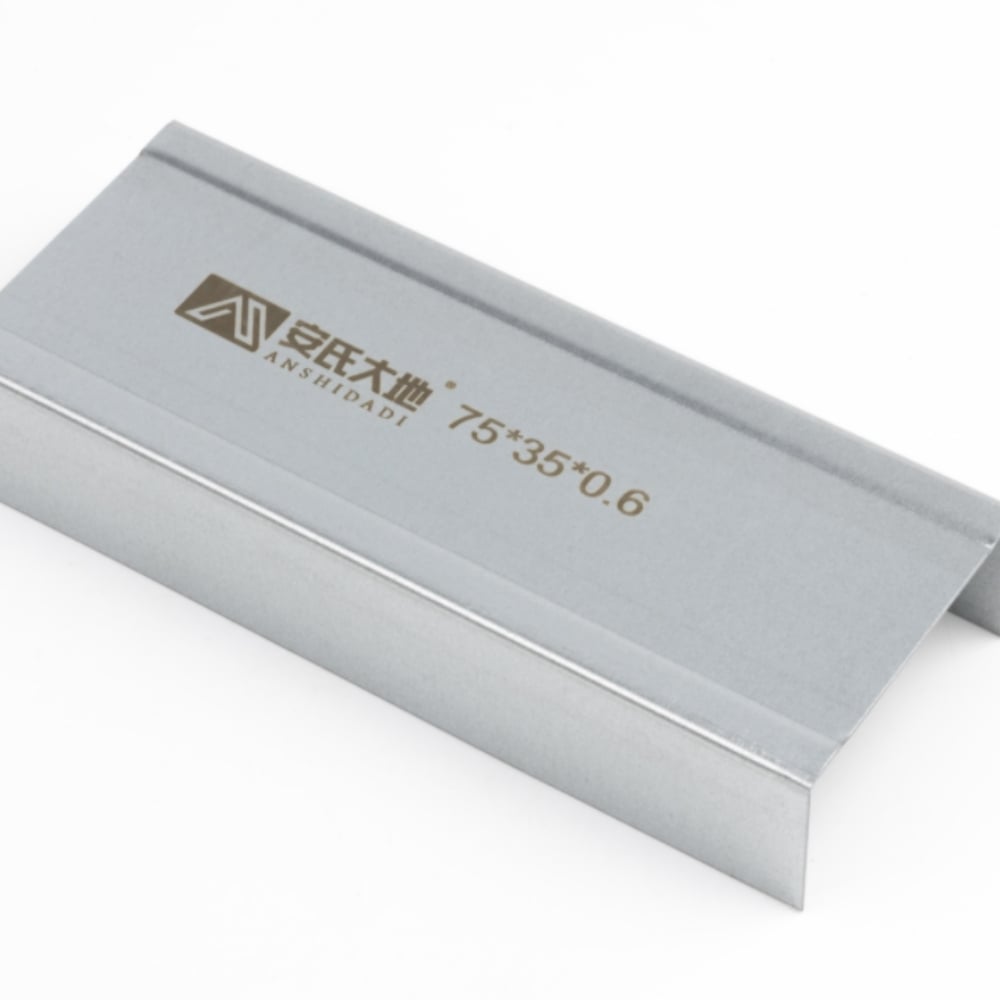
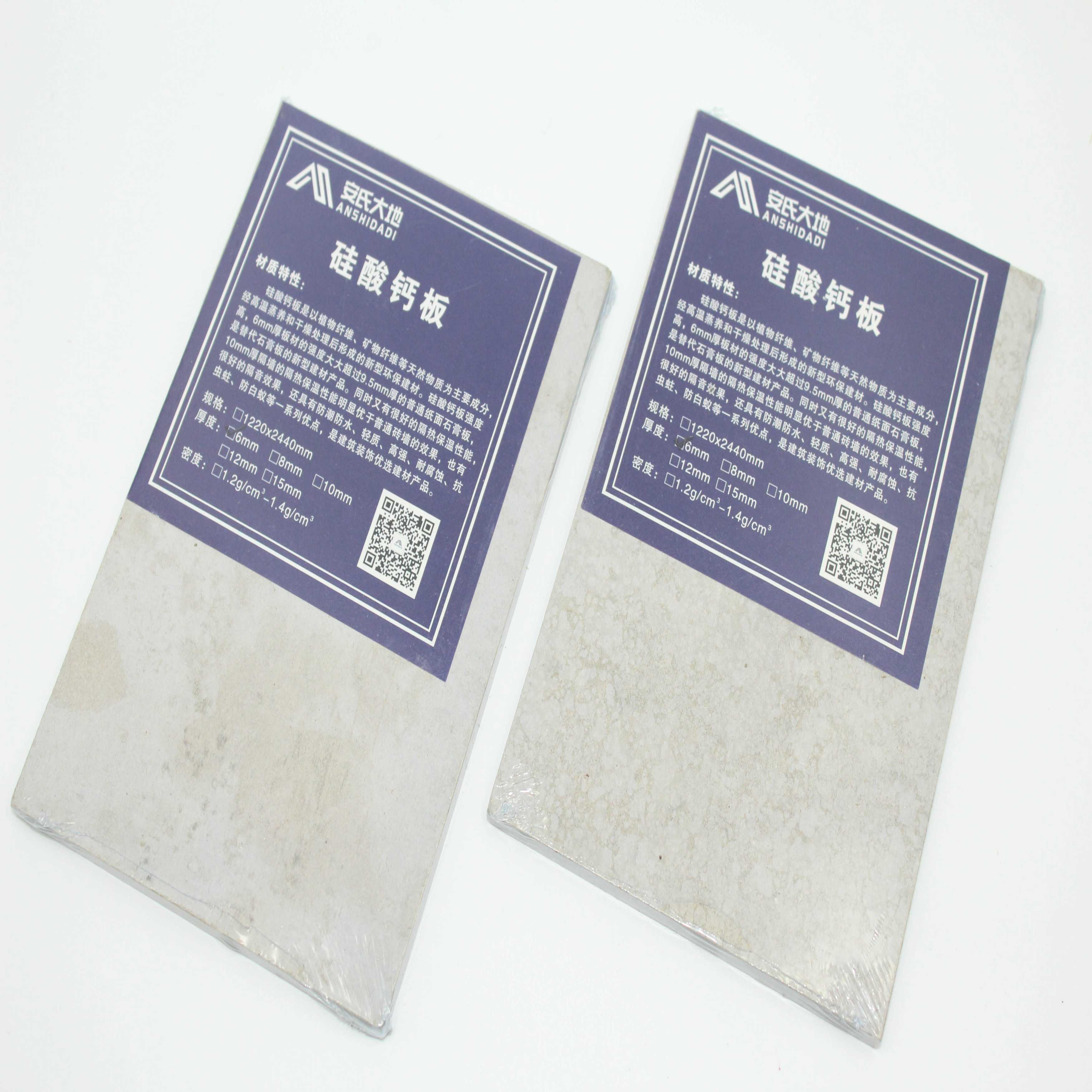
The primary function of an exposed ceiling grid is to provide a sturdy framework for mounting ceiling tiles, acoustic panels, lighting fixtures, and HVAC components. Unlike traditional concealed systems, the exposed ceiling grid creates an intentional design statement that complements industrial, modern, and minimalist interior styles. Technologically, today's exposed ceiling grid systems feature precision-engineered components with superior load-bearing capacity and adjustable installation mechanisms.
Key technological features of the exposed ceiling grid include modular design capabilities, allowing for flexible reconfiguration and expansion. The grid structure accommodates various tile sizes and materials, from standard acoustic panels to decorative options. Advanced exposed ceiling grid systems integrate seamlessly with electrical systems, data cables, and ventilation ducts, eliminating the need for complicated hidden installations. The materials used in modern exposed ceiling grid construction offer excellent durability, corrosion resistance, and fire-rating compliance.
Applications for the exposed ceiling grid span diverse industries and settings. Commercial offices utilize exposed ceiling grid systems to create open, collaborative environments with straightforward maintenance access. Educational institutions, healthcare facilities, retail spaces, and hospitality venues benefit from the flexibility and professional appearance that an exposed ceiling grid provides. Residential loft conversions and contemporary home designs increasingly feature exposed ceiling grid installations to achieve desired architectural aesthetics while maintaining practical functionality and accessibility.

 EN