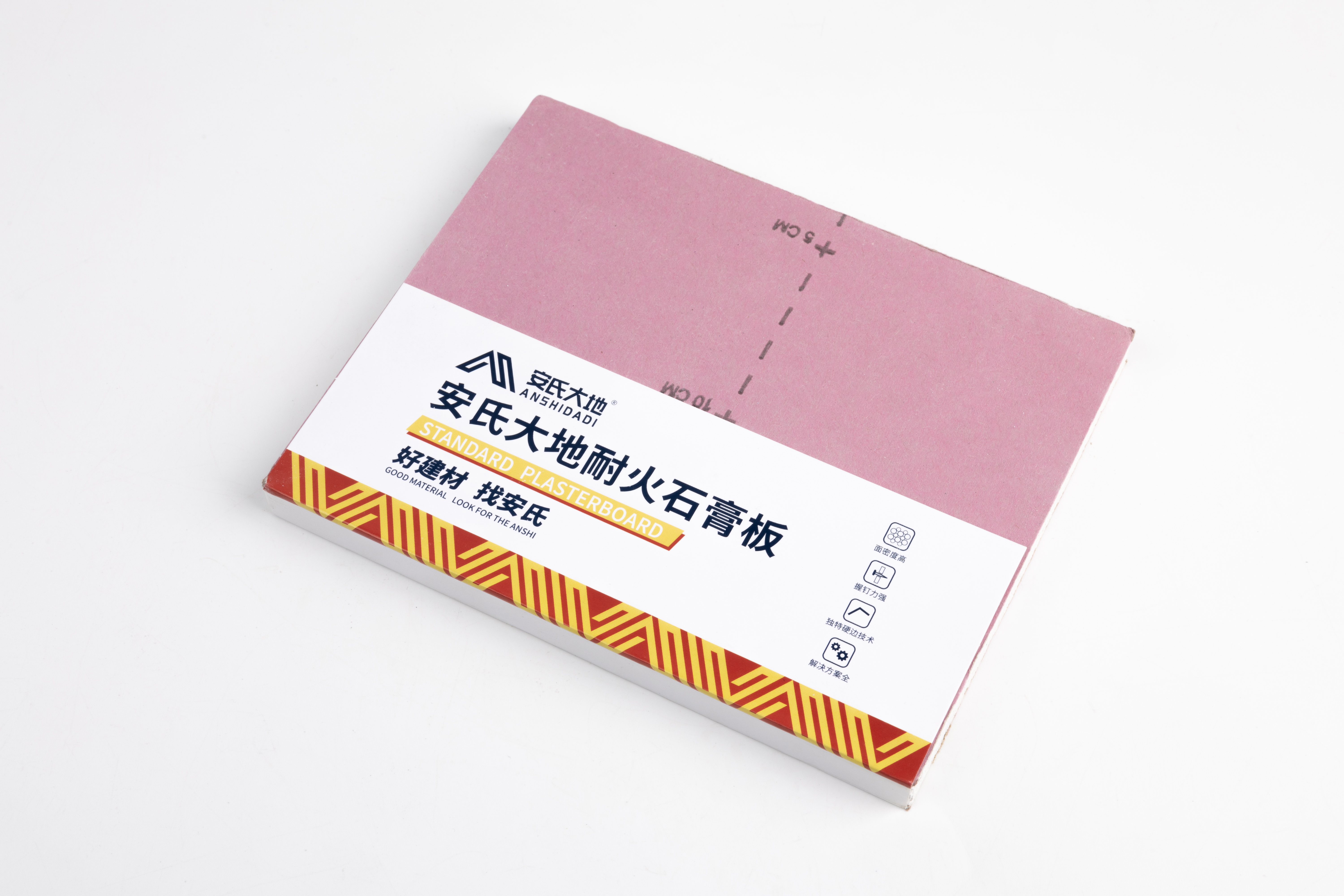
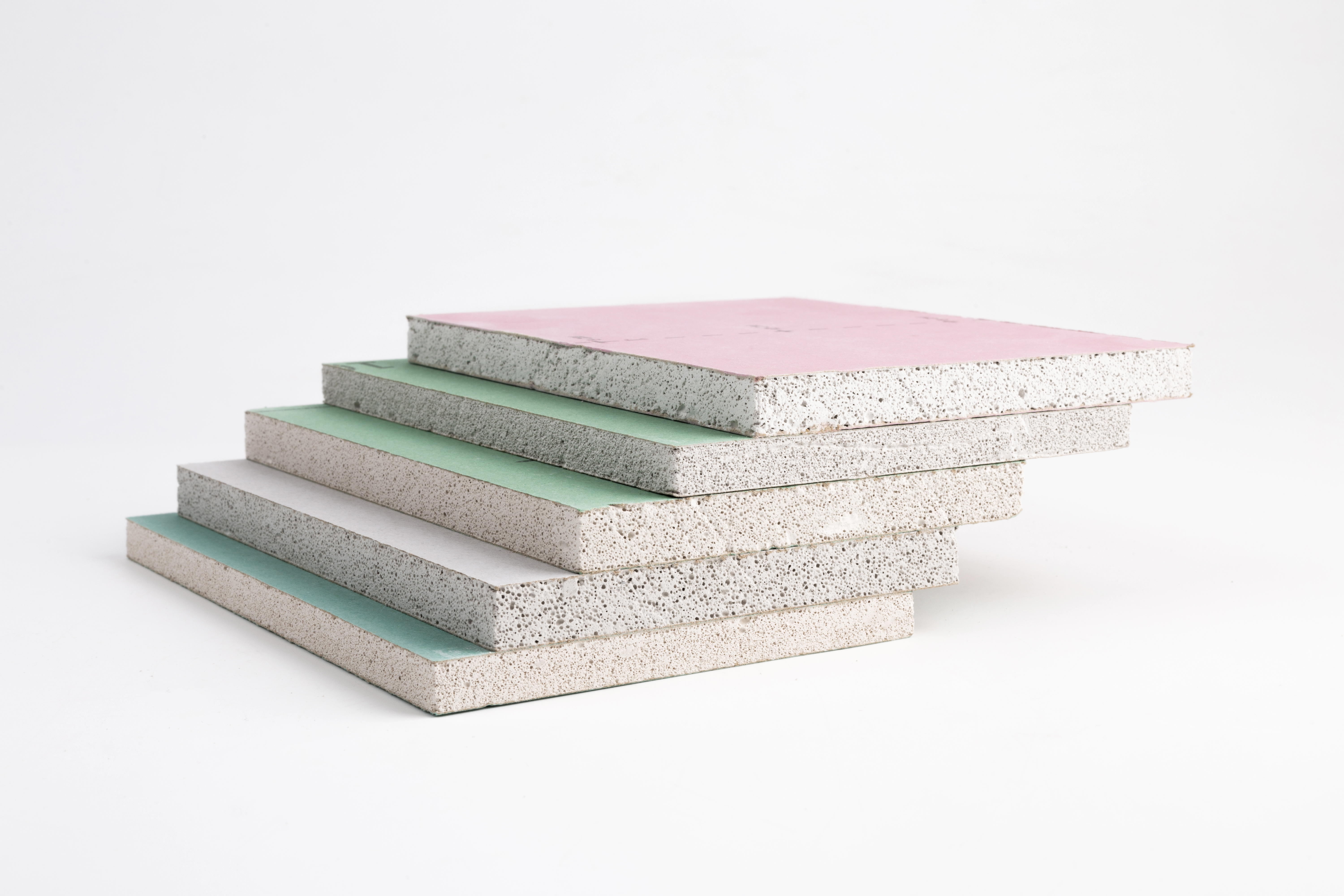
fireproof drywall
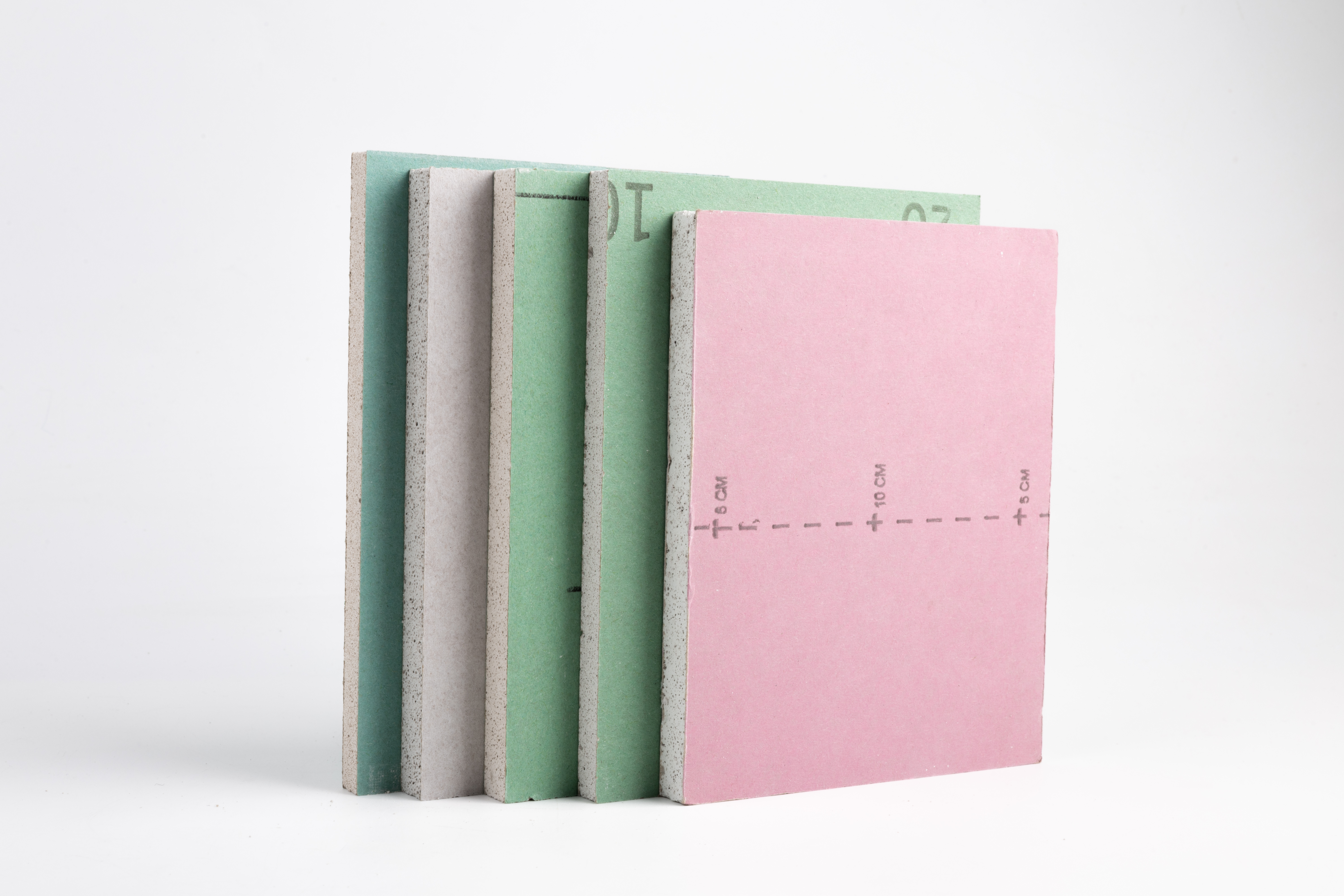
Fireproof drywall represents a significant advancement in building safety and fire protection technology. This specialized construction material is engineered to resist fire and slow its spread, making it an essential component in modern building codes and safety standards. Fireproof drywall combines gypsum core with fire-resistant additives and glass fibers, creating a barrier that maintains structural integrity during high-temperature exposure. The main function of fireproof drywall is to compartmentalize fires, preventing flames from rapidly spreading through walls and ceilings while maintaining the building's structural stability. Technological features include enhanced thermal resistance, reduced smoke emission, and extended fire endurance ratings. The gypsum composition releases water vapor when exposed to extreme heat, naturally cooling the surrounding area and delaying ignition of adjacent materials. Fireproof drywall typically achieves fire ratings up to four hours, depending on specifications and installation methods. Applications span residential construction, commercial buildings, hospitals, schools, and industrial facilities. Fireproof drywall serves critical roles in stairwells, elevator shafts, mechanical rooms, and shared walls between units. Building professionals choose fireproof drywall for areas requiring maximum fire protection and compliance with stringent fire codes. This material meets or exceeds standards set by organizations like ASTM International and Underwriters Laboratories. Fireproof drywall installation follows specific guidelines to ensure optimal performance during fire events.

 EN