metal framing construction
Metal framing construction represents a modern building approach that utilizes steel or aluminum frames as the primary structural system. This innovative method has become increasingly popular in residential, commercial, and industrial projects worldwide. Metal framing construction provides the foundation for creating durable, reliable structures that meet contemporary building standards.
The main functions of metal framing construction include providing structural support, distributing loads efficiently, and creating flexible interior spaces. Unlike traditional wood framing, metal framing construction offers superior strength-to-weight ratios, enabling builders to span greater distances with fewer support columns. This capability makes metal framing construction ideal for open-concept designs and complex architectural layouts.
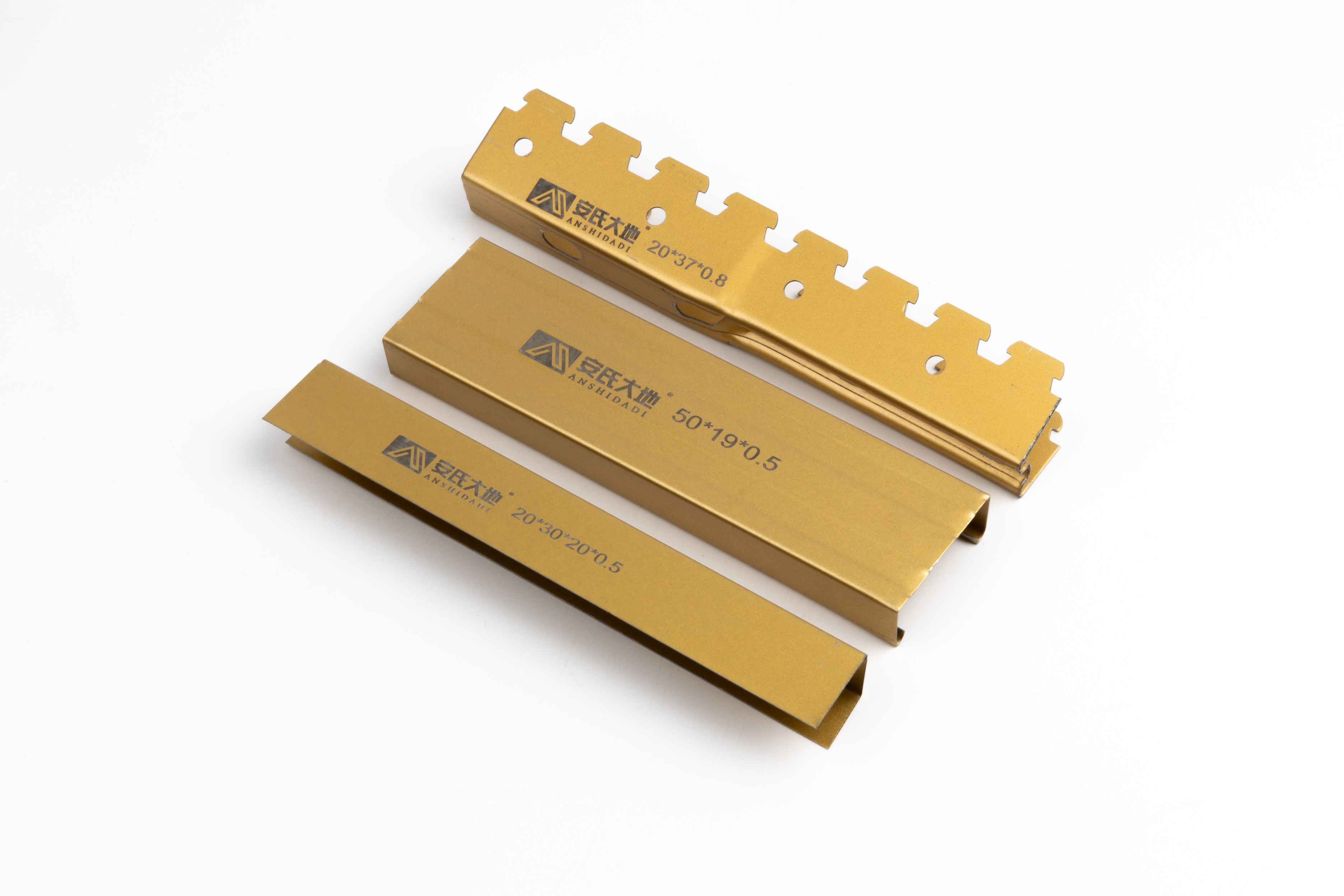
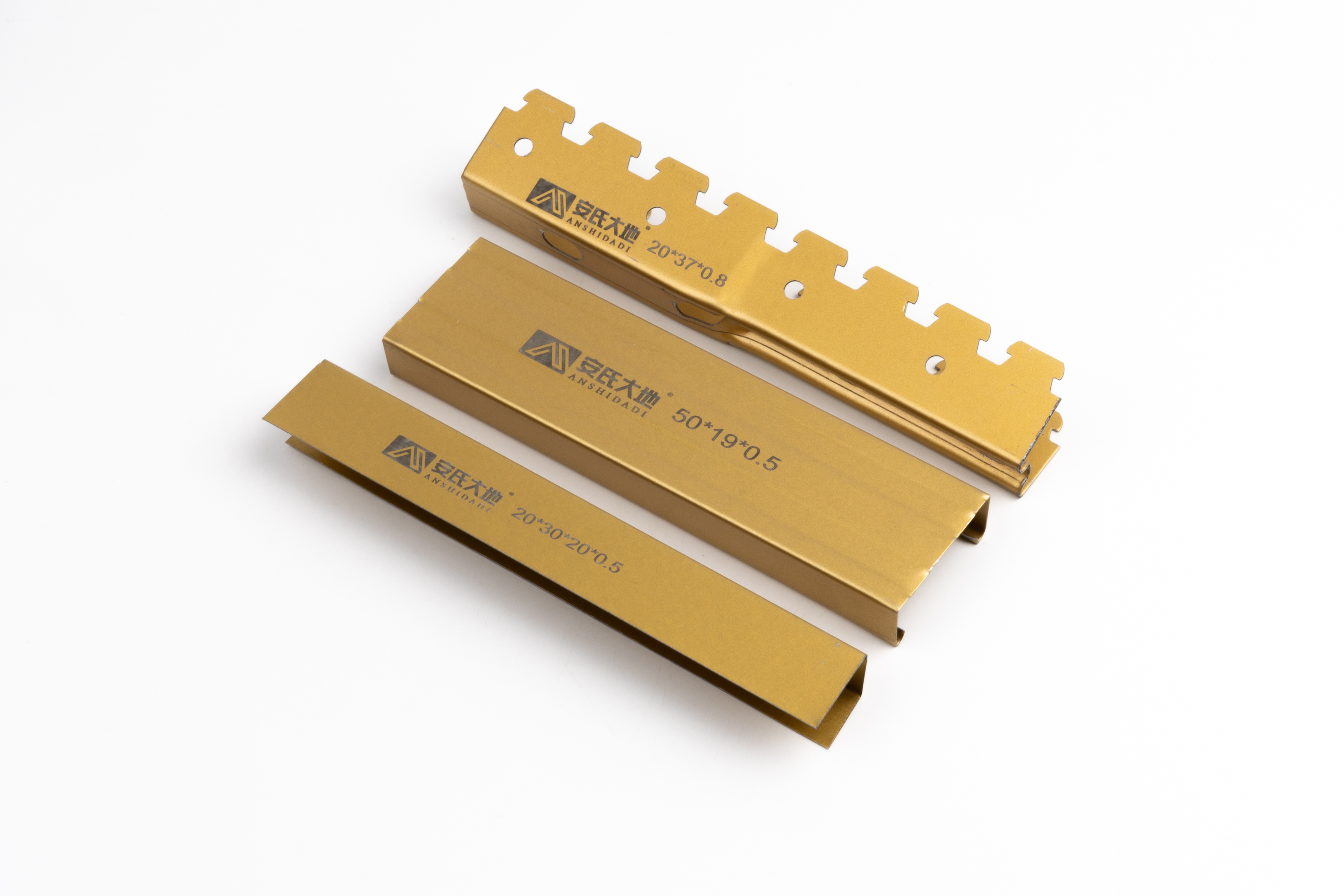
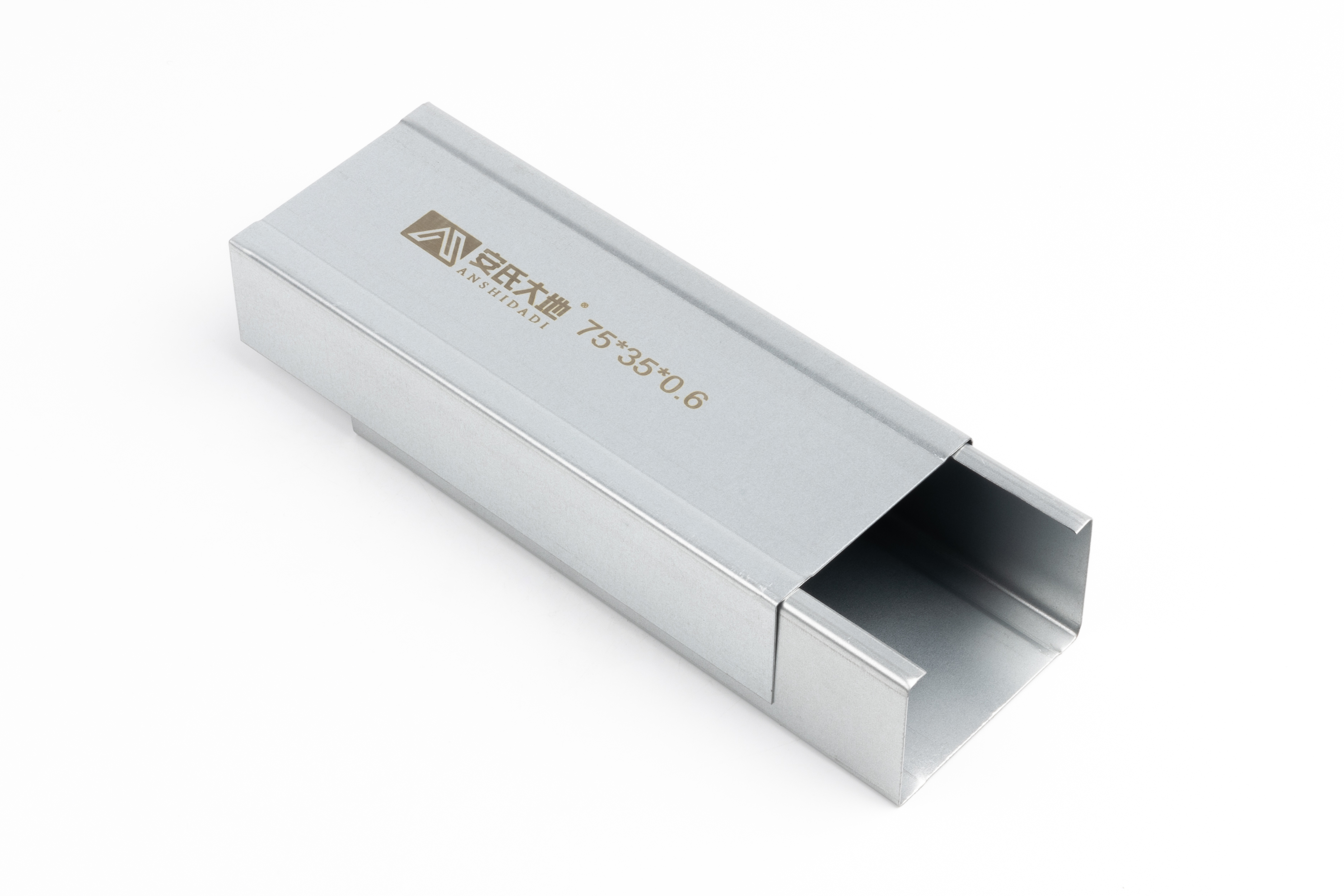
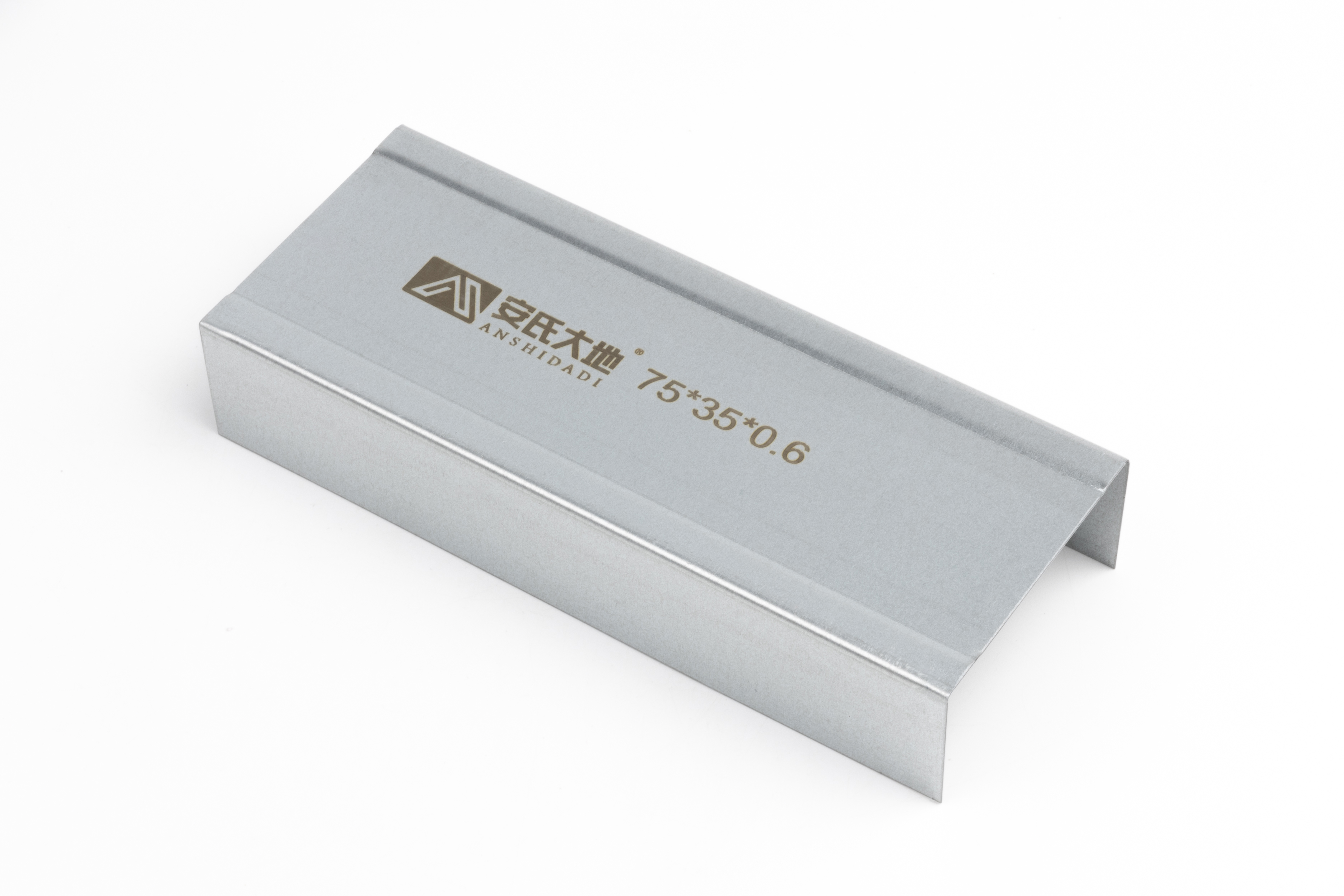
Technologically, metal framing construction incorporates advanced engineering principles. Cold-formed steel studs, joists, and tracks are precisely manufactured to consistent specifications, ensuring quality control throughout the construction process. Galvanized or powder-coated finishes protect metal framing construction components from corrosion and environmental damage, extending the lifespan of buildings significantly.
Applications of metal framing construction span across multiple sectors. Commercial properties benefit from the flexibility metal framing construction provides for future renovations and tenant modifications. Residential buildings utilize metal framing construction for increased fire resistance and pest prevention. Industrial facilities leverage metal framing construction for heavy-duty applications requiring exceptional load-bearing capacity. Multi-story buildings commonly employ metal framing construction to reduce overall weight while maintaining structural integrity and meeting safety requirements.

 EN