 ×
×

Content Preview:
If the steel keel is the skeleton, the gypsum board is the skin. You can’t have a beautiful body with a weak skeleton, and you can’t have a high-end interior with poor skin. After 26 years in the building materials industry, we’ve realized that 90% of "bad" gypsum board jobs aren't caused by the board itself, but by the system integration.
In many commercial complexes and villas, we see the same mistakes: using standard boards in high-moisture areas or failing to account for thermal expansion. At Anshidadi, we don't just manufacture the metal; we provide the entire system logic.
Fire Rating vs. Acoustic Insulation
For a hospital or school project, "standard" isn't enough. You need the synergy between high-density gypsum boards and our C-Studs. When you add mineral wool into the 75mm or 100mm cavity of our partition systems, you aren't just building a wall; you’re building a sound barrier.
The Secret is in the Accessories
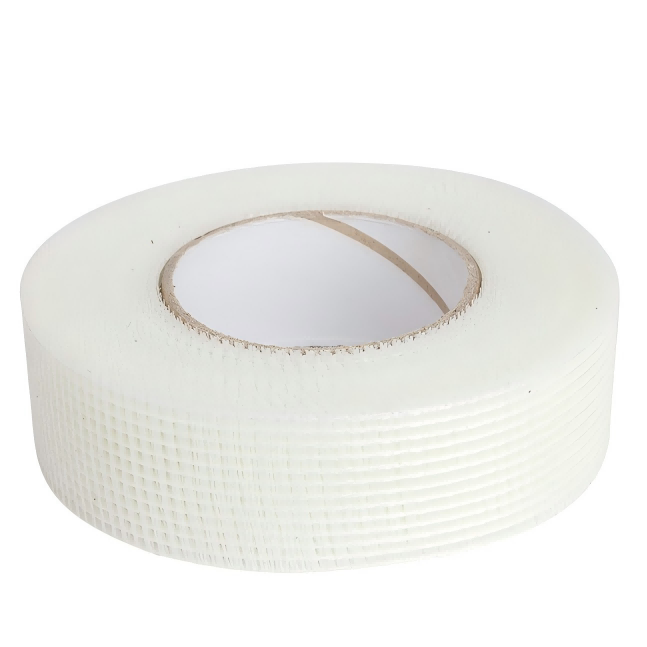
People often overlook the fiber mesh tape and the joint compound. If you use a high-quality galvanized keel but a cheap, brittle tape, your joints will crack. We always tell our clients: "Don't save pennies on the tape and lose dollars on the repair."
This guide covers:
----
Walk into any building supply store, and you’ll see rows of gypsum boards that all look remarkably similar. White, rectangular, dusty. But what separates a wall that lasts thirty years from one that develops cracks, nail pops, or mold within eighteen months? It’s rarely the board itself. It’s how the board interacts with the steel framing, the fasteners, the tape, the compound, and even the environmental conditions of the room.
At Anshidadi, after nearly three decades of supplying steel framing systems across thousands of projects—from luxury villas to government hospitals—we’ve developed a simple philosophy: Treat the wall as a system, not a collection of parts. The gypsum board doesn't exist in isolation. It’s the visible layer of a multi-component assembly where every element either supports or undermines the others.
One of the most frequent misunderstandings we encounter is the assumption that a fire-rated board is also a good acoustic board—or vice versa. They are not the same, and the differences matter enormously depending on the project.
Fire-rated gypsum boards (typically Type X) contain glass fibers and other additives that help the board maintain structural integrity even after the water of crystallization has been driven off by heat. They are designed to slow the spread of flames and provide critical escape time. However, Type X boards are denser and heavier, which can actually create acoustic challenges if not paired correctly with the steel framing.
Acoustic gypsum boards focus on mass and damping. They may be double-layered, or paired with viscoelastic membranes. But the true acoustic performance of a partition wall comes from the cavity—specifically, what’s inside the 75mm or 100mm space between your C-Studs.
In our laboratory tests, a single layer of standard 12.5mm gypsum board on each side of a 75mm steel stud offers a Sound Transmission Class (STC) of approximately 35–38. Add 50mm of mineral wool (density 40–60 kg/m³) into the cavity, and the STC jumps to 48–52. That’s the difference between hearing muffled conversations through a wall and hearing near-silence.
For hospital patient rooms, school music rooms, or hotel guest rooms, we recommend:
75mm C-Studs at 600mm centers
50mm mineral wool (minimum) fully filling the cavity
Two layers of 12.5mm acoustic board on each side, with staggered joints
Resilient channels on one side for decoupling
This assembly achieves STC 55–60 and fire ratings up to 90 minutes. Without the mineral wool? STC drops by 10–12 points. Without the resilient channels? Another 5–8 points lost. The board alone cannot compensate for missing system components.
We’ve visited job sites where project managers proudly show off premium galvanized steel studs and premium moisture-resistant gypsum boards—then point to a bucket of bargain-bin joint compound and a roll of brittle, low-quality fiber mesh tape. Within six months, hairline cracks appear along every joint. The blame inevitably falls on the “drywall work,” but the real culprit is the accessory chain.
Fiber mesh tape must have sufficient tensile strength to resist the natural expansion and contraction of the steel frame. Steel and gypsum have different coefficients of thermal expansion. As temperatures change, the steel studs move slightly, and the tape must stretch or flex without tearing. Cheap tape lacks this elasticity. It snaps. The joint cracks.
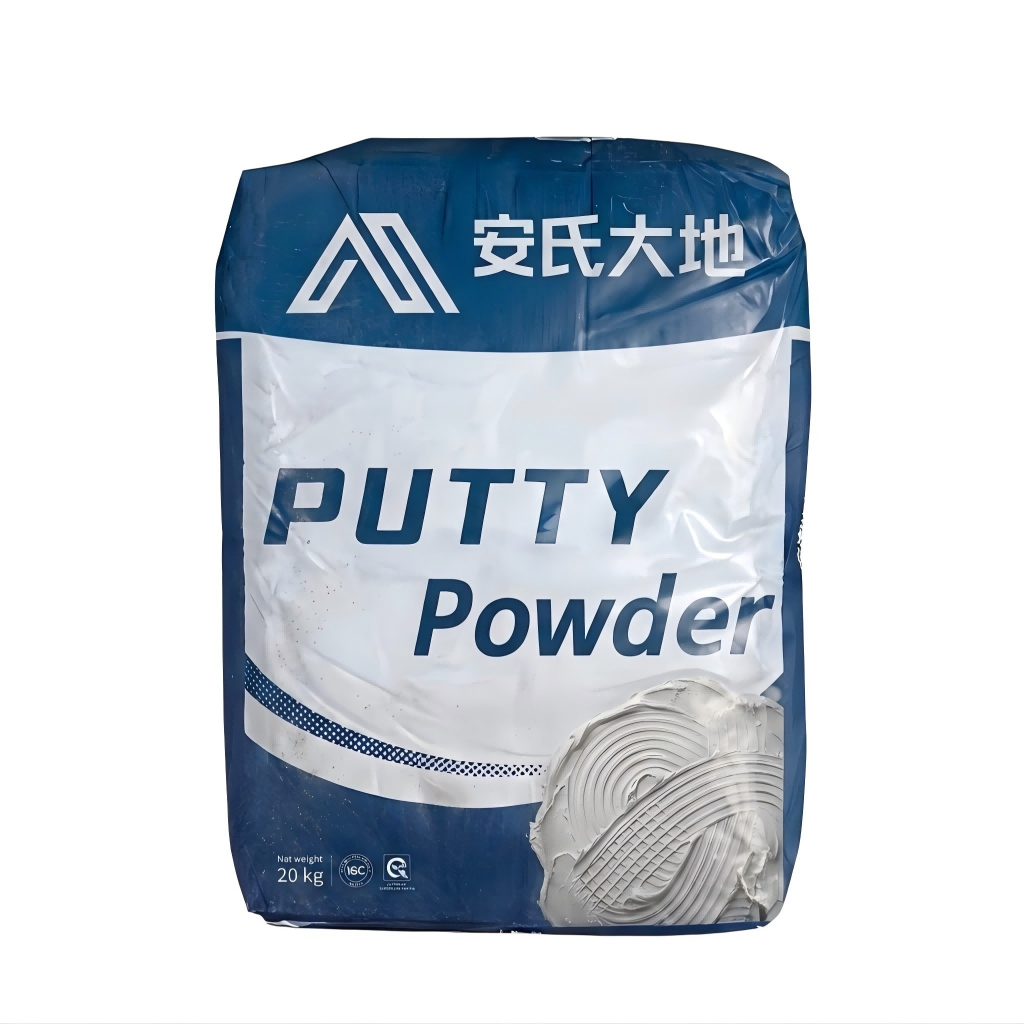
Joint compound must be formulated for the specific board type. Using standard compound on moisture-resistant board often results in poor adhesion and bubbling. Using lightweight compound on fire-rated boards can lead to shrinkage cracks.
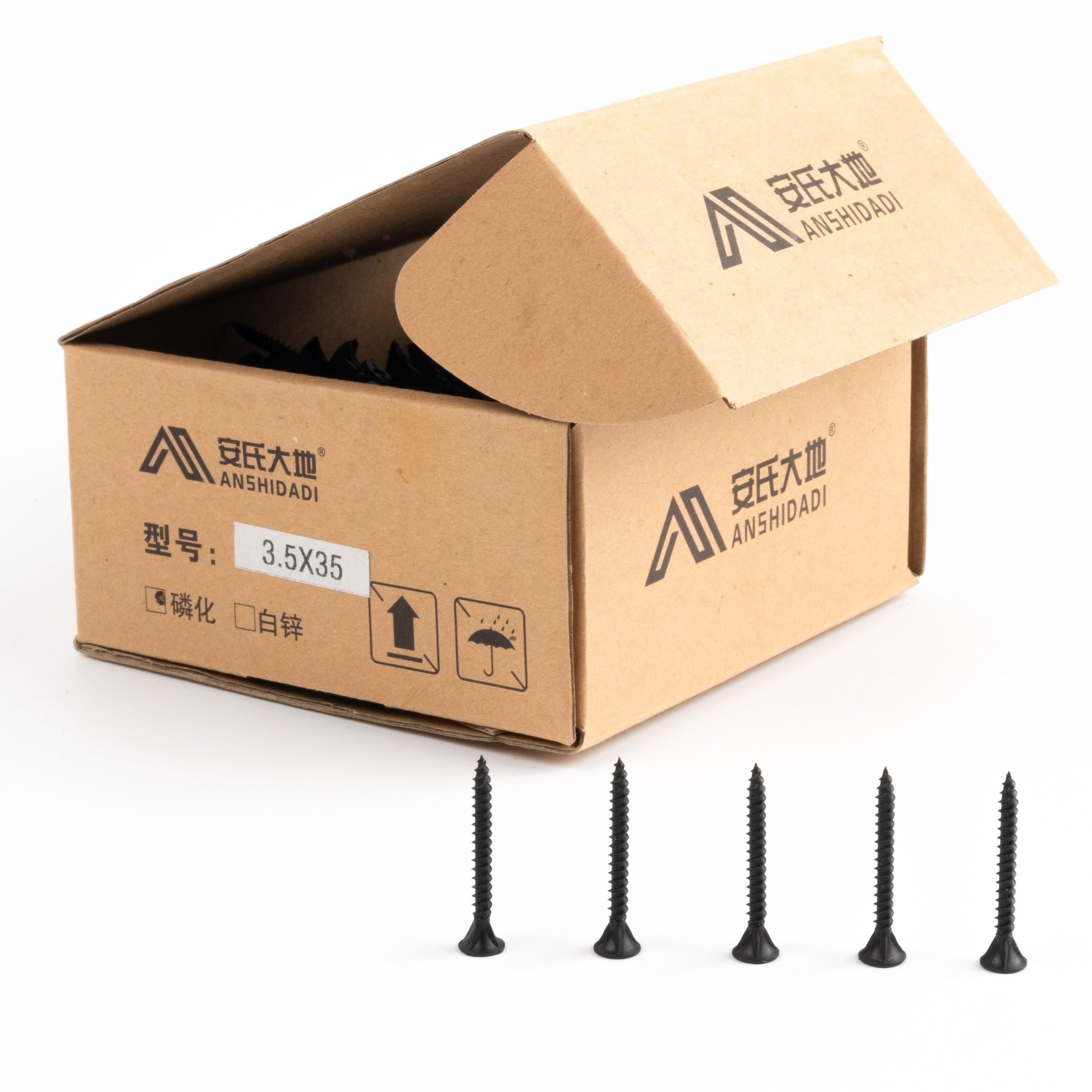
The Screw-to-Edge Rule: A failure we see repeatedly is screws placed too close to the board edge. The rule is simple: screws should be no closer than 10mm from the board edge, and no further than 16mm. Closer than 10mm, and the gypsum crumbles under the screw head, creating a “countersink” that cannot be properly filled. Further than 16mm, and the board edge is not adequately secured, leading to edge cracking. For field screws (not edges), maximum spacing is 300mm, and every screw must fully penetrate the steel stud flange by at least 10mm.
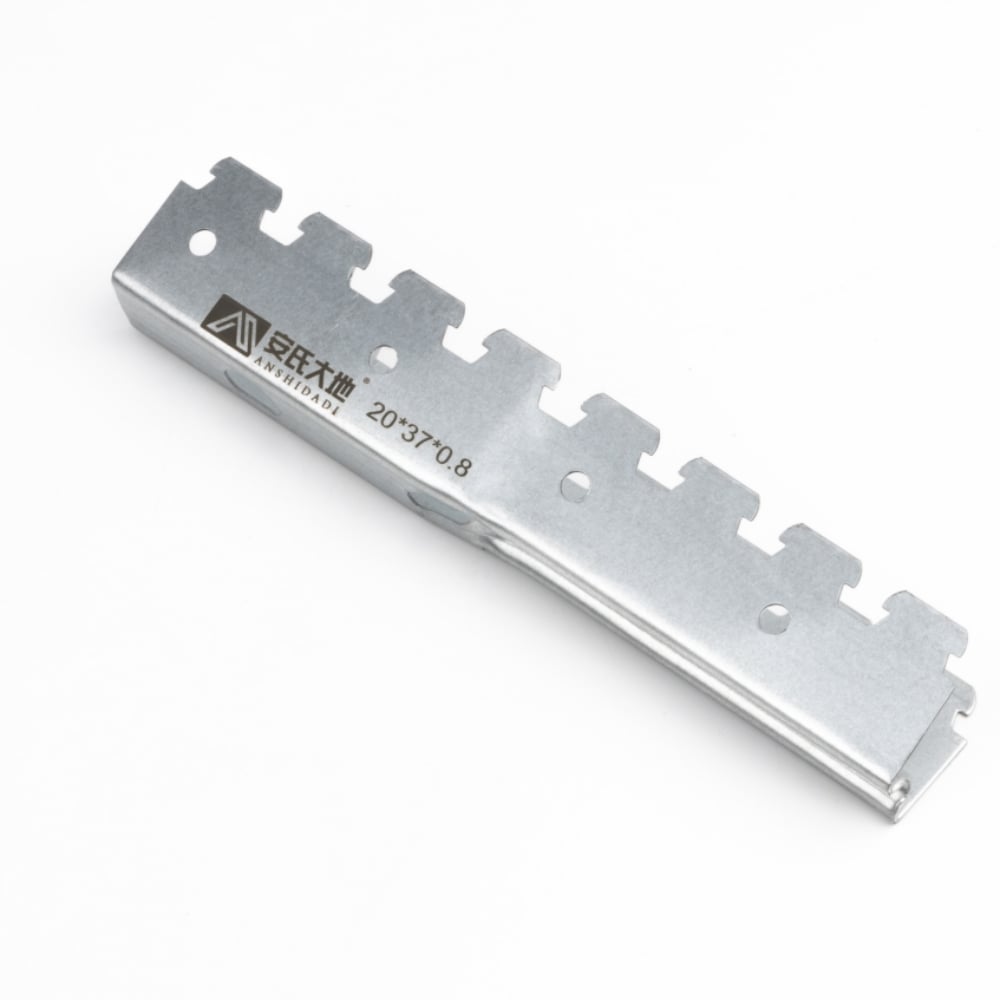
When we export our T-bar ceiling systems to North American markets, one specification stands out as disproportionately important: the spacing of the slots in our main channels and cross tees. North American standard lighting fixtures, HVAC diffusers, and ceiling tiles are designed around a 600mm x 1200mm (24" x 48") module. However, many Asian and European factories default to metric spacing of 150mm, 300mm, or 600mm. That 2.4mm difference—152.4mm vs. 150mm—accumulates across a large ceiling grid.
Over a 15-meter ceiling run, a 2.4mm discrepancy per slot multiplied by 100 slots equals 240mm of accumulated error. That means ceiling tiles no longer align with light fixtures. Grids appear crooked. Fixtures require custom trimming. Labor costs skyrocket.
Our 152.4mm (exactly 6 inches) slot spacing ensures that:
Every intersection aligns with North American standard ceiling tile dimensions
Lighting fixtures drop into the grid without modification
HVAC diffusers and sprinkler heads position correctly
Installation time decreases by up to 20% because no field cutting or adjustment is required for alignment
This is not a “nice to have” feature. For contractors bidding on commercial projects in the US or Canada, a ceiling system that does not support 152.4mm spacing is a non-starter. We build this into every T-bar system destined for North America, and our clients consistently report that this single specification saves them days of labor per large project.
| Room Type | Recommended Gypsum Board | Steel Stud | Special Considerations |
|---|---|---|---|
| Bathroom, laundry, pool area | Moisture-resistant (green board) | 50x25mm C-Stud, galvanized coating 120g/m² | Seal all edges; use stainless steel screws |
| Kitchen (residential) | Moisture-resistant or standard (12.5mm) | 50x25mm or 70x35mm | Consider backer board behind heavy cabinets |
| Hospital operating room | Impact-resistant + anti-microbial | 75x35mm, 0.7mm gauge | No horizontal joints below 2m; sealed cove base |
| School corridor | High-impact (15mm) + Type X for fire | 70x35mm or 100x40mm, 0.8mm gauge | Full-height impact guard recommended |
| Office partition (standard) | Standard 12.5mm | 50x25mm, 0.5mm gauge | Double layer for STC >45 |
| Home theater | Acoustic (dense) + double layer | 75x35mm with resilient channel | 75mm mineral wool cavity required |
| Parking garage ceiling | Fire-rated Type X (15mm minimum) | Ceiling channel, heavy gauge | Check local fire code for fall protection |
The most expensive wall is not the one with the most expensive board. It’s the one that fails two years after installation—cracked, moldy, noisy, or unsafe. By treating every component as part of an integrated system, you avoid the trap of saving pennies on tape, compound, or screws while spending dollars on repairs, replacements, and reputation damage.
At Anshidadi, we don’t just ship steel keels and gypsum boards. We provide system specifications, installation guides, and technical support to ensure that every wall we help build performs as intended—for decades, not months. Whether you’re specifying for a hospital, a school, or a luxury villa, start with the system, not the board. The results will speak for themselves.

 EN
EN


 Hot News