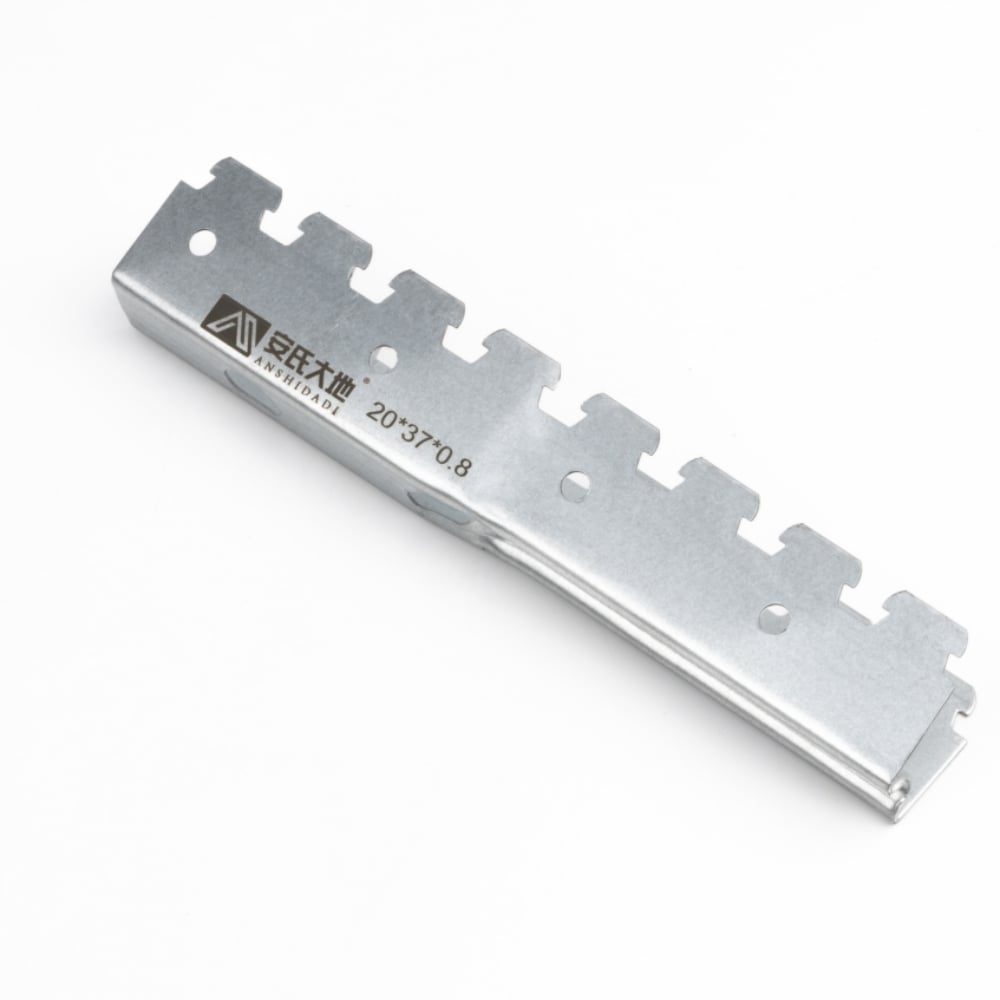
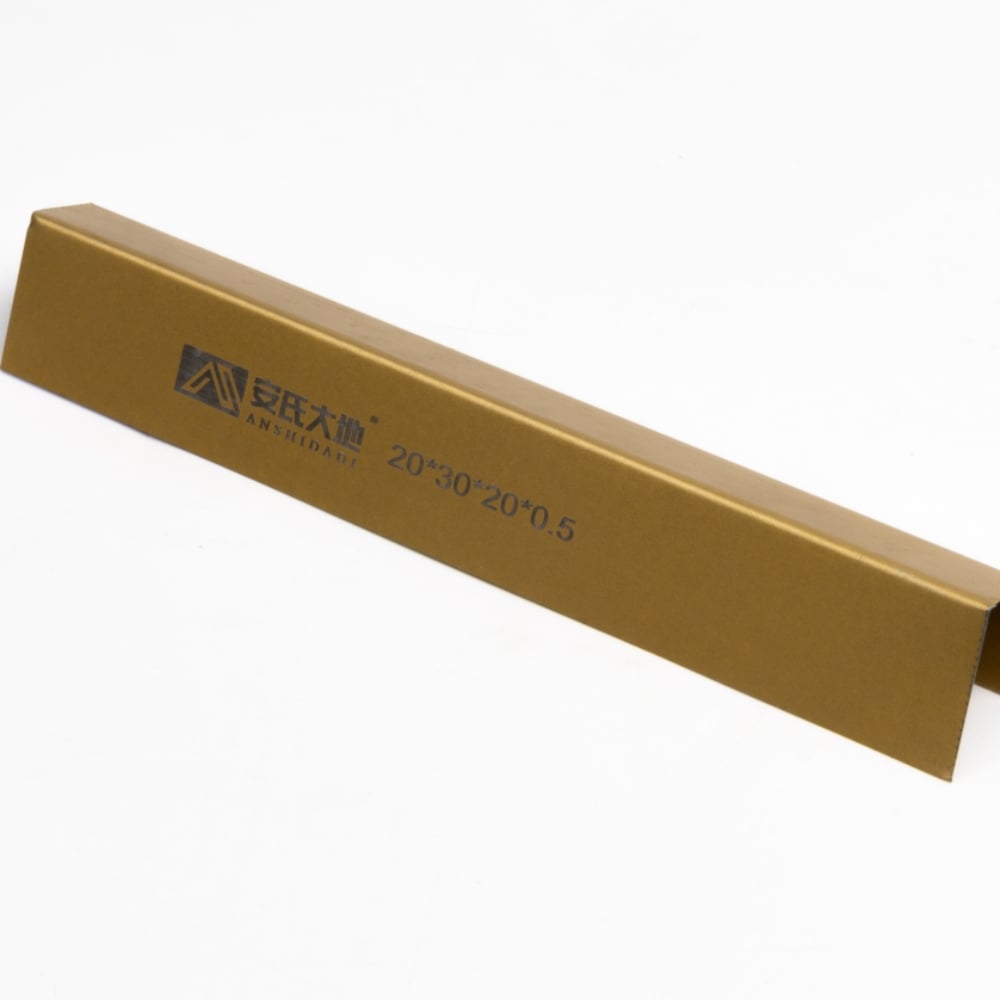
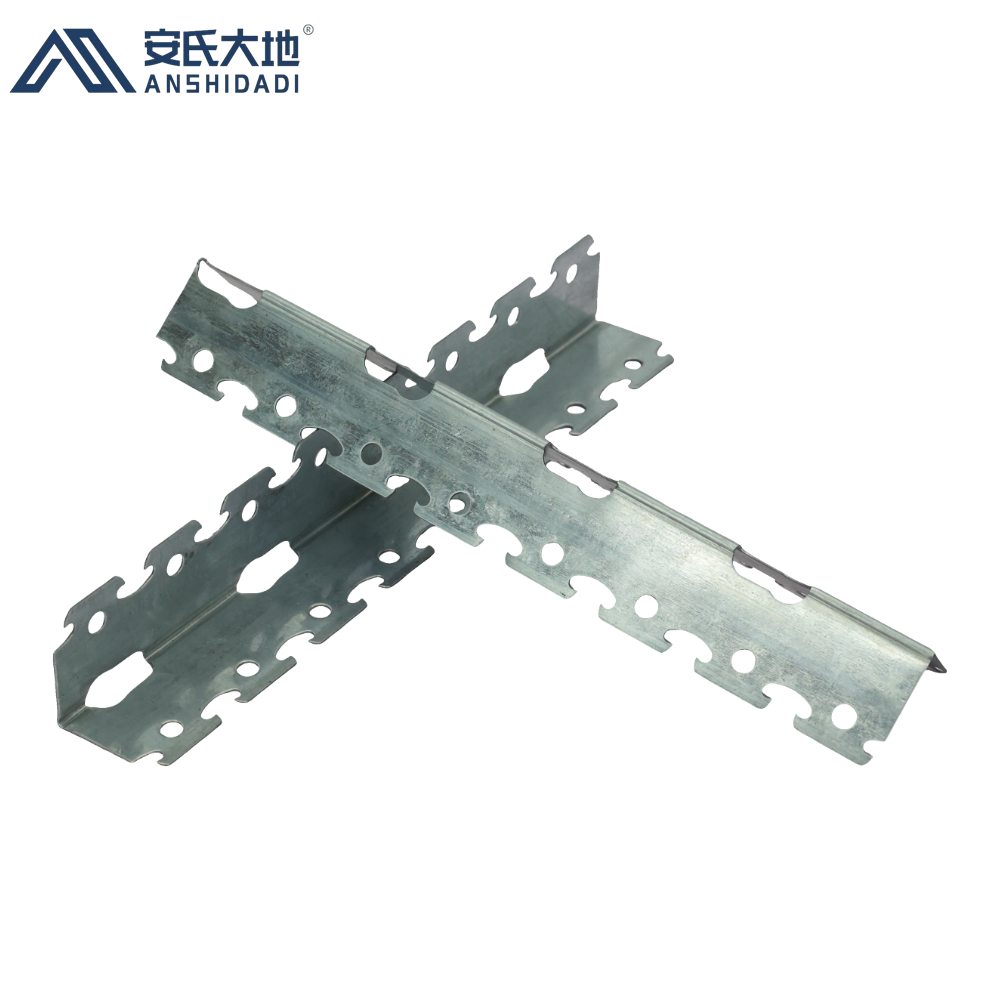
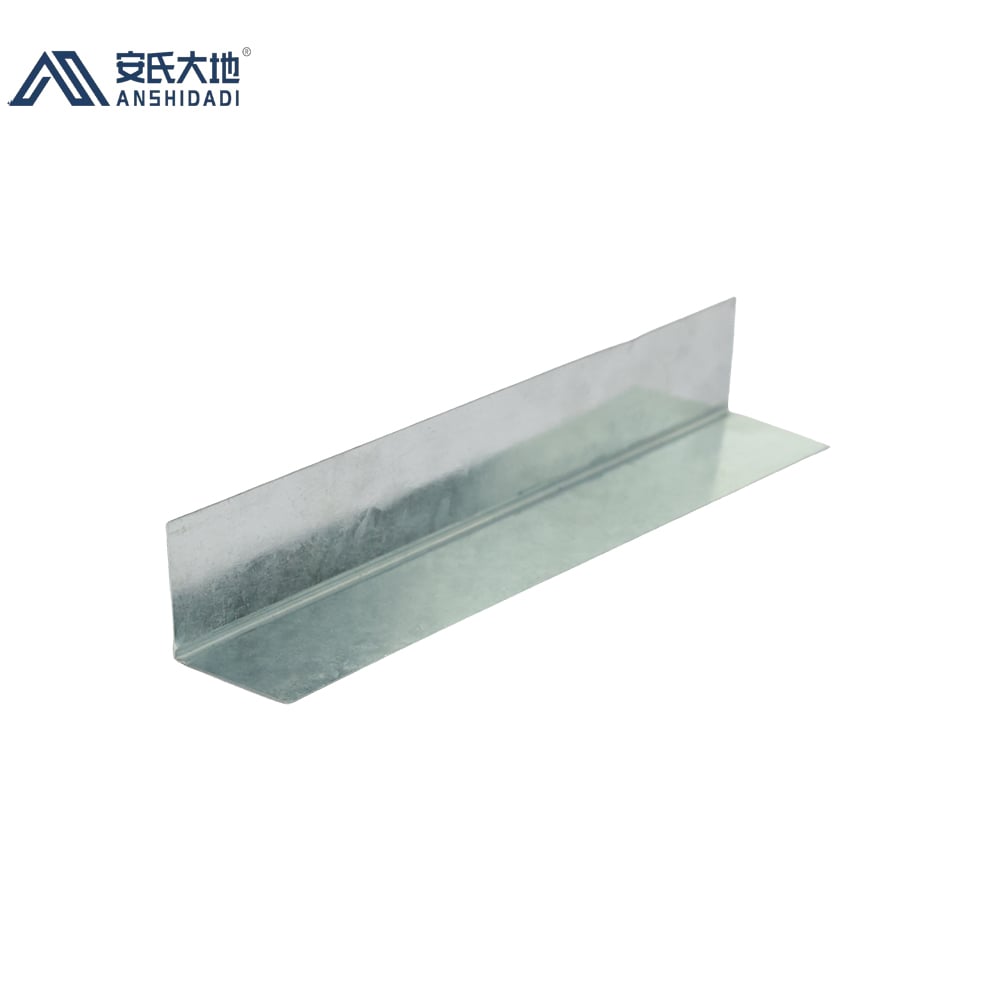
metal wall angle
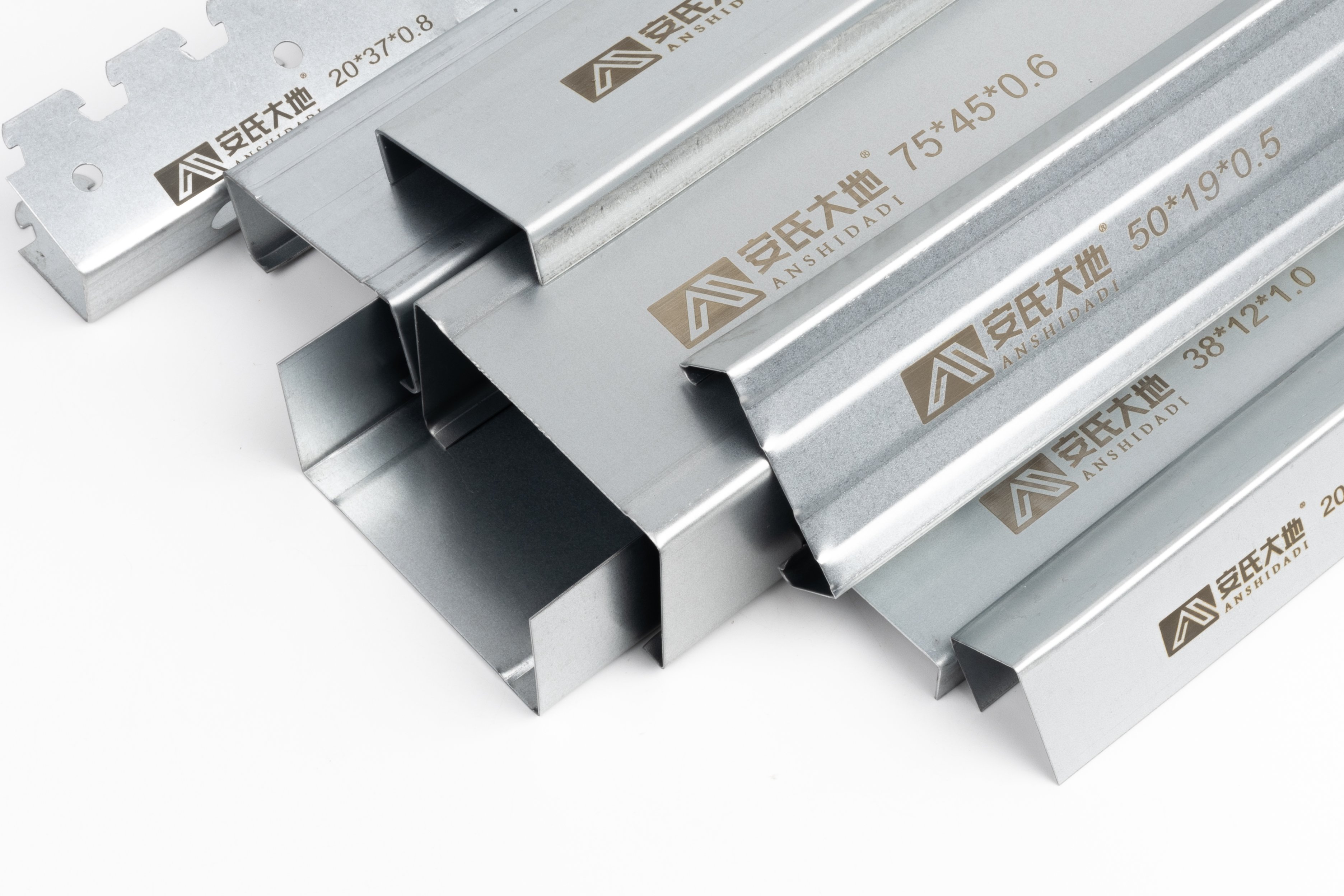
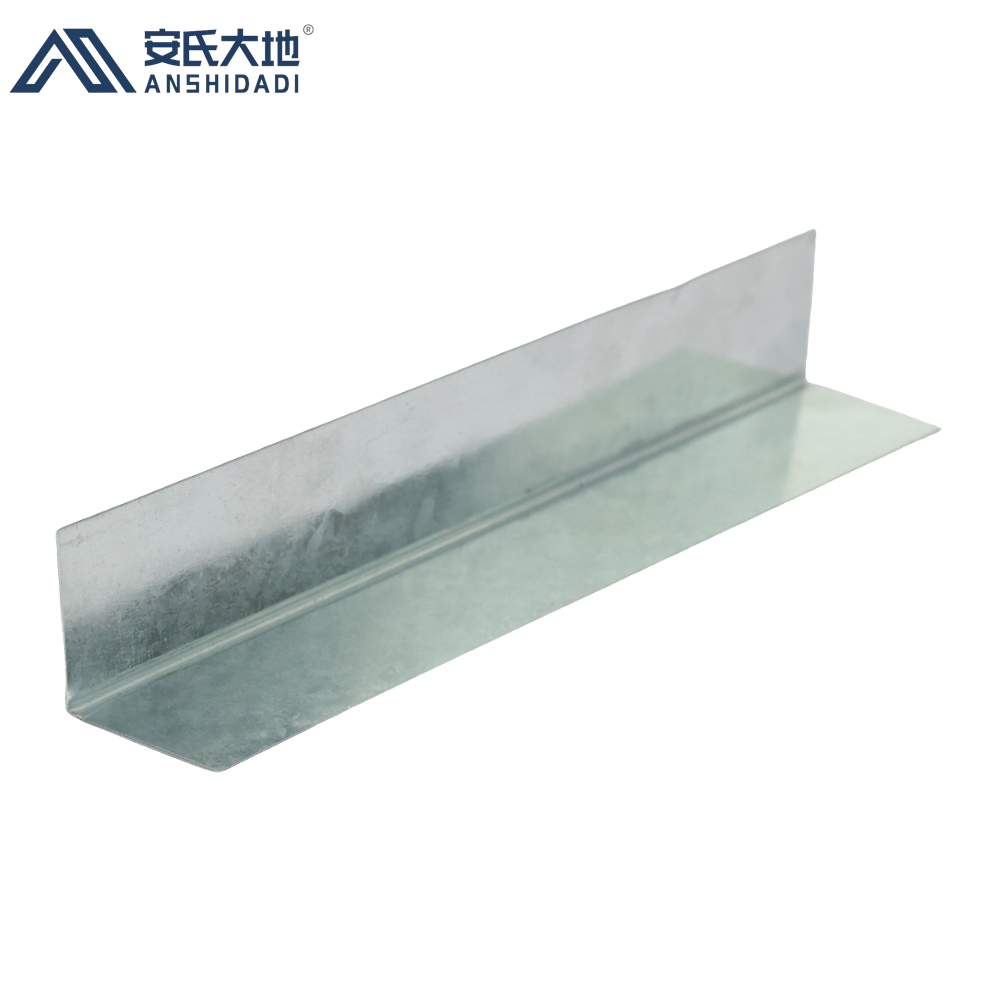
A metal wall angle is a structural component designed to reinforce and support wall installations in both residential and commercial settings. This L-shaped metal profile serves as a critical finishing and reinforcement element that provides structural integrity to wall systems. The metal wall angle functions as a protective edge trim while simultaneously offering load-bearing support where walls meet corners, ceilings, or other structural elements.
The primary function of a metal wall angle involves creating clean, finished corners and transitions throughout building interiors and exteriors. The metal wall angle is manufactured from durable steel or aluminum materials that resist corrosion and maintain structural consistency over extended periods. Technological features include precision-engineered dimensions, consistent material thickness, and specialized surface treatments that enhance durability and appearance.
Key applications for the metal wall angle include framing support in drywall installation, corner reinforcement in metal stud construction, and edge protection in commercial spaces. Construction professionals rely on the metal wall angle to improve installation efficiency and ensure long-lasting structural performance. The metal wall angle accommodates various building codes and structural requirements across different construction projects.
Additional applications extend to acoustic wall systems, prefabricated building components, and specialized architectural designs requiring precise corner management. The metal wall angle provides consistency across multiple installations while reducing material waste and labor costs. Modern construction techniques increasingly incorporate the metal wall angle as a standard component for quality assurance and structural reliability.

 EN